
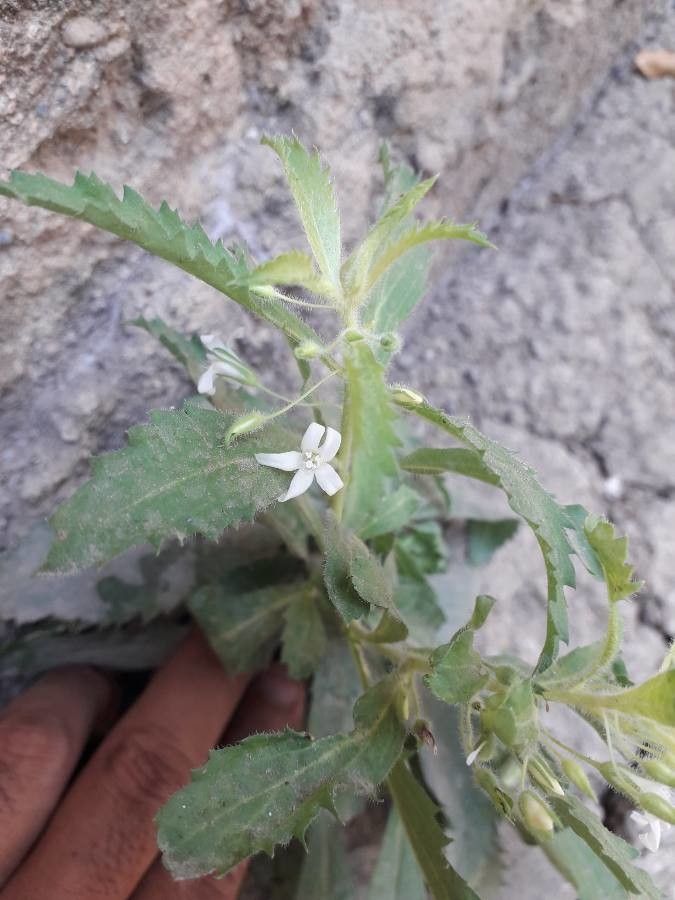
Taming the Wild: Propagating the Hairy Mustard (Strigosella hispida)
The Hairy Mustard, or Strigosella hispida to use its scientific name, might not be the first plant that springs to mind when you think of gardening. In fact, many consider it a roadside weed! However, this unassuming member of the Brassicaceae family possesses a unique charm, boasting delicate white flowers and intriguing seed pods. If you’re looking to add a touch of wildness and intrigue to your garden space, learning how to propagate Hairy Mustard might be just the adventure you need.
Before we delve into propagation, it’s important to understand the Hairy Mustard’s life cycle. This annual plant completes its life cycle within a single growing season, producing seeds that ensure the next generation. It’s these seeds that hold the key to successful propagation.
Propagating from Seed:
-
Seed Collection: The best time to collect Hairy Mustard seeds is late summer or early fall when the seed pods have turned brown and dry. Gently pinch the pods to collect the tiny, reddish-brown seeds within.
-
Seed Preparation: Hairy Mustard seeds don’t require any special pretreatment. However, you can increase your chances of successful germination by cold-stratifying them. Place the seeds between moist paper towels inside a sealed plastic bag and store them in your refrigerator for 4-6 weeks.
-
Sowing: Hairy Mustard prefers well-drained soil and full sun to partial shade. You can directly sow the seeds into your garden bed once the danger of frost has passed in the spring, or you can start them indoors 4-6 weeks before the last expected frost.
-
Direct Sowing: Sprinkle the seeds onto prepared soil and lightly rake them in, ensuring they are covered by about 1/4 inch of soil. Keep the area consistently moist but not waterlogged.
-
Indoor Sowing: Use seed trays or small pots filled with a well-draining seed starting mix. Sow the seeds at a depth of 1/4 inch and mist them with water. Place the trays in a warm, bright location out of direct sunlight.
- Transplanting: If you started your seeds indoors, transplant them into your garden once they have developed a couple of sets of true leaves and the outdoor temperatures are consistently warm.
Caring for Your Hairy Mustard:
Hairy Mustard is a relatively low-maintenance plant. Once established, it’s fairly drought-tolerant but benefits from regular watering during dry periods. Fertilizing is generally not necessary, as excessive nutrients can lead to lush foliage but fewer flowers.
Beyond the Garden:
Propagating Hairy Mustard isn’t just for aesthetic purposes. This plant plays a crucial role in supporting pollinators, attracting beneficial insects like bees and butterflies to your garden. Additionally, Hairy Mustard is edible! The leaves boast a slightly peppery flavor and can be enjoyed raw in salads or cooked like other leafy greens.
So, why not embrace the wild side of gardening and give Hairy Mustard propagation a try? You’ll be rewarded with charming flowers, beneficial wildlife, and even a tasty addition to your dinner table.