
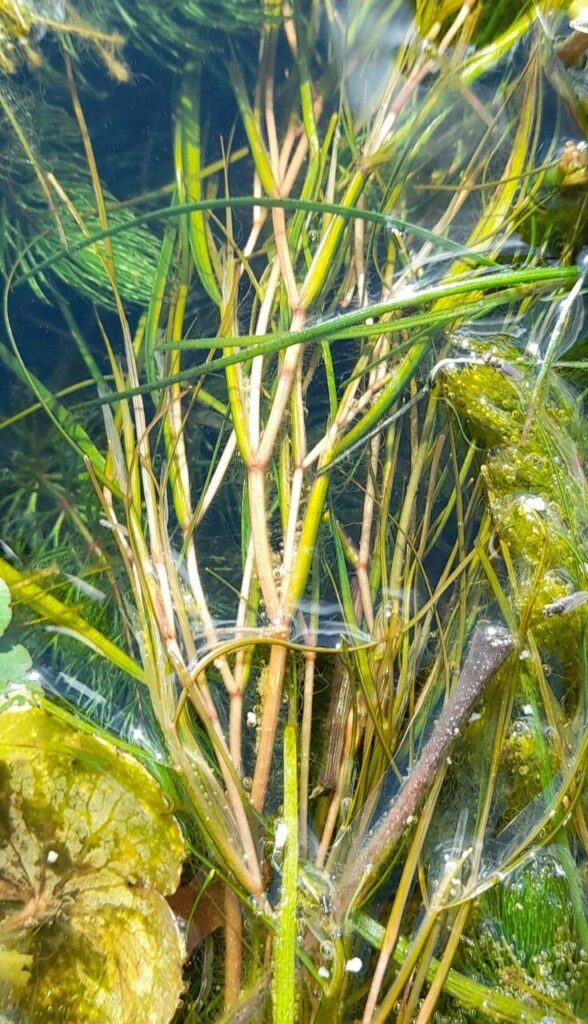
Underwater Gardening: Multiply Your Sago Pondweed (Stuckenia pectinata)
The Sago Pondweed (Stuckenia pectinata), a captivating aquatic plant with its delicate, thread-like leaves, isn’t just a pretty face in the underwater world. It provides crucial oxygen to ponds and lakes, offers shelter to diverse aquatic life, and adds a touch of natural beauty to any water feature.
If you have Sago Pondweed gracing your water garden or are considering introducing it, understanding its propagation methods is key to ensuring its continued growth and spread.
Two Routes to More Pondweed
Sago Pondweed employs two primary methods of reproduction:
1. Seeds: A Legacy in Waiting
Similar to many plants, Sago Pondweed produces seeds, often in abundance. These seeds, nestled within small fruits, hold the potential for new life. However, relying solely on seeds for propagation can be a waiting game for several reasons:
- Dormancy: Sago Pondweed seeds often exhibit dormancy, meaning they require a specific set of environmental cues before germinating. This can include a period of cold stratification or fluctuating water temperatures.
- Germination Rates: Even when dormancy is broken, natural germination rates can be variable.
- Environmental Factors: Seed germination is further influenced by factors like water depth, light availability, and sediment composition.
2. Vegetative Propagation: The Power of Clones
For a more predictable and efficient approach, vegetative propagation takes center stage. This method harnesses the plant’s ability to generate new individuals from existing plant parts. Here’s how it works:
- Fragmentation: Sago Pondweed readily fragments. Broken stems or rhizomes, carried by water currents or wildlife, can establish themselves in new locations and grow into independent plants.
- Turion Formation: One of the most fascinating aspects of Sago Pondweed is its production of turions. These specialized buds, forming along the stems, are like miniature survival pods. Packed with nutrients and designed to withstand harsh conditions, turions detach from the parent plant and sink to the bottom. When conditions become favorable in spring, they sprout, giving rise to new plants.
Hands-On Propagation: Tips for Success
Whether you are hoping to encourage natural spread or want to actively propagate your Sago Pondweed, here are some tips:
- Division: In spring or early summer, carefully divide established plants. Ensure each division has a good portion of healthy roots and stems.
- Turion Collection: If you spot turions, gently collect them and store them in shallow water or damp sand in a cool location over winter. Plant them in spring.
- Water Quality: Maintain good water quality with adequate light and nutrient levels to support healthy growth and encourage natural propagation.
A Rewarding Endeavor
Propagating Sago Pondweed might seem like a technical endeavor, but it is a rewarding one. By understanding this plant’s natural reproductive strategies, you can contribute to its proliferation, fostering a healthier and more vibrant aquatic environment.