
From Bulb to Bloom: The Magical Propagation of Stylidium bulbiferum
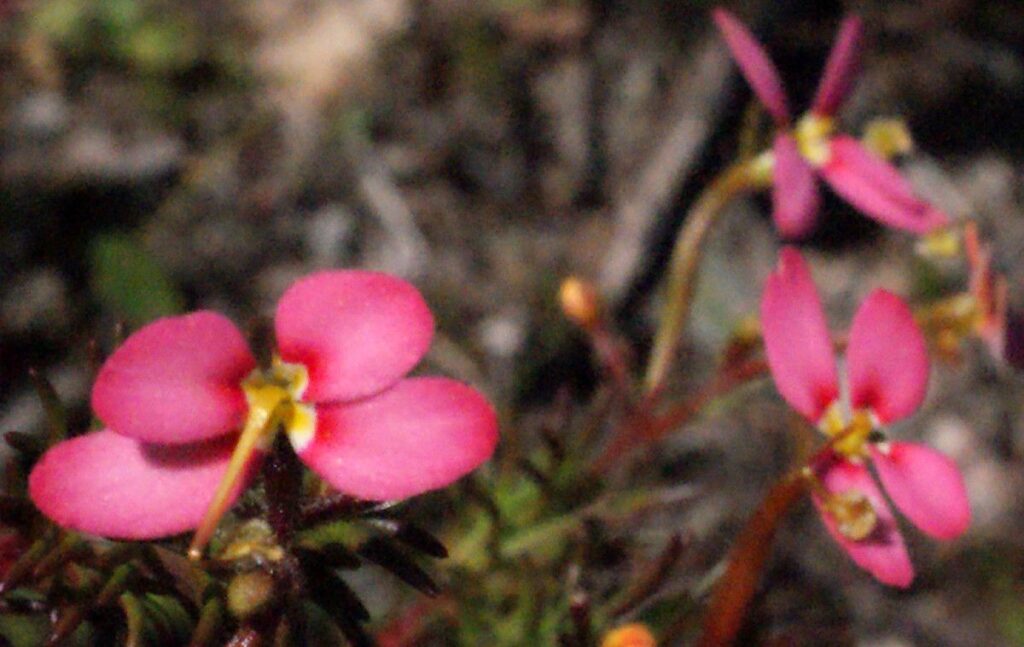
The Stylidium bulbiferum, also known as the “Triggerplant” for its unique spring-loaded pollination mechanism, is a captivating and intriguing plant. But what truly makes it special is not just its fascinating flower, but its equally fascinating method of reproduction: propagation through bulbils.
These tiny, almost potato-like structures, called bulbils, develop along the stems of the plant, offering a fascinating and surprisingly easy way to expand your collection of this unusual species.
What are Bulbils?
Essentially, bulbils are miniature, self-contained plants that emerge from specialized buds on the stem. Each bulbil contains all the necessary genetic information to grow into a brand new, independent plant.
How to Propagate Stylidium bulbiferum through Bulbils:
- Harvest the Bulbils: Start by inspecting your mature Stylidium bulbiferum plant for bulbils. Look for small, round or slightly elongated structures that are generally brown in color. They typically form along the stem, sometimes even in the leaf axils.
- Separate and Prepare: Gently remove the bulbils from the plant. It’s best to handle them with clean hands or tweezers to avoid introducing infections.
- Planting the Bulbils: You can either sow the bulbils directly into a suitable growing medium (like a peat-based mix or a well-draining succulent soil) or place them in a tray with a little bit of damp vermiculite.
- Provide Optimal Conditions: Ensure that the bulbils are kept in a warm, humid environment. A mini greenhouse or propagator works well, but a covered tray in a bright, indirect location will also suffice.
- Patience and Care: Give your bulbils a few weeks to sprout. Keep the growing medium moist but not waterlogged. With patience and consistent care, your tiny bulbils will transform into beautiful new Triggerplants.
The Advantages of Bulbil Propagation
Propagating Stylidium bulbiferum through bulbils offers several benefits:
- Easy and Efficient: It’s a straightforward and efficient way to multiply your plants, yielding multiple offspring from a single plant.
- Genetic Identicality: Bulbils produce genetically identical offspring, preserving desirable traits and characteristics of your original plant.
- Fast Growth: Unlike seeds, bulbils often sprout and develop much faster, allowing you to enjoy your new plants sooner.
- No Need for Flowers: You don’t need to wait for flowering to obtain new plants. Bulbils are readily available as the plant grows.
Beyond Bulbils: Other Propagation Methods
While propagation through bulbils is highly effective and popular for the Stylidium bulbiferum, you may also try propagation through seed or cuttings.
- Seeds: While less common than bulbils, Stylidium bulbiferum seeds can be sown in a similar manner as other wildflower seeds. However, germination rates can be variable.
- Cuttings: For experienced plant enthusiasts, stem cuttings can also be used to propagate the plant, although this method may require a bit more expertise.
Care and Growing Tips for Your New Triggerplants
Once your new Stylidium bulbiferum plants have taken root, provide them with well-drained soil and regular watering, ensuring the soil has a chance to dry out between waterings. Full sun to partial shade is ideal for their growth. With proper care and attention, your little Triggerplants will soon be dazzling you with their unique spring-loaded flowers and fascinating bulbils.
Final Thoughts
The ease and efficiency of propagation through bulbils make the Stylidium bulbiferum truly special. It’s a rewarding experience to watch these tiny structures transform into new, thriving plants, offering a delightful glimpse into the plant world’s magic. So, why not give bulbil propagation a try and witness the remarkable potential of this unique and captivating plant? You might just be surprised by the joy it brings and the fascinating world of plant propagation it opens up.