
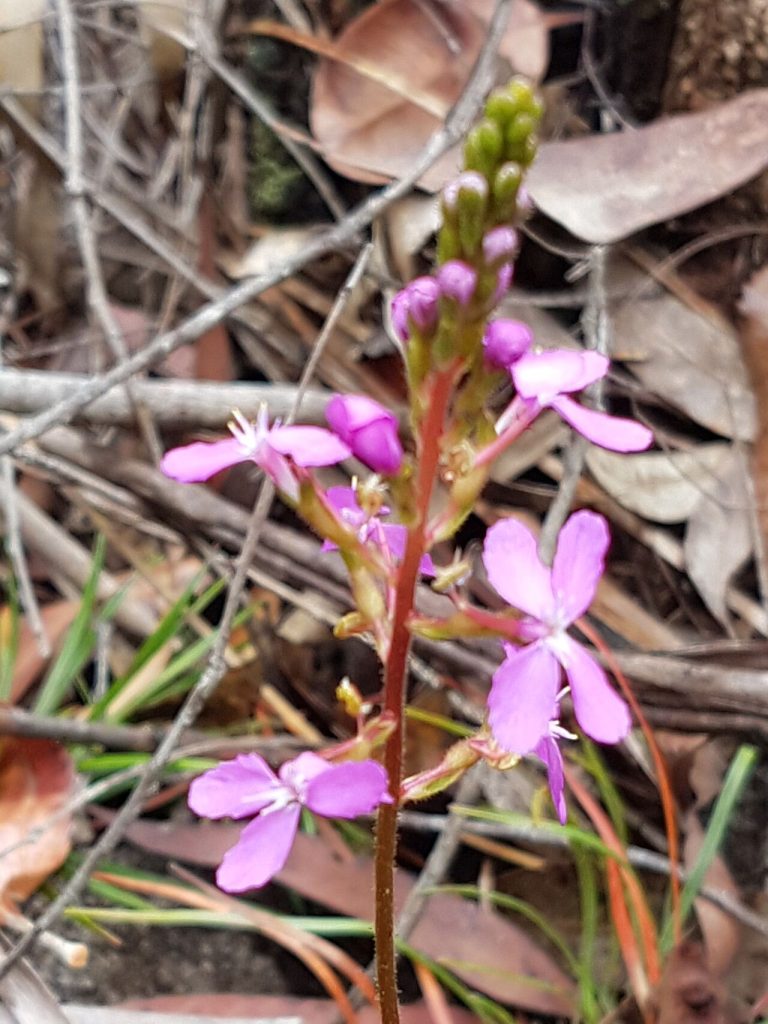
Propagating the Slender Triggerplant (Stylidium lineare): A Gardener’s Guide
Introduction:
Stylidium lineare, commonly known as the slender triggerplant, is a captivating member of the Stylidiaceae family, prized for its unique pollination mechanism and delicate, linear leaves. Its slender stems and charming, star-like flowers make it a desirable addition to rock gardens, bog gardens, and even container plantings amongst discerning gardeners. However, propagating this intriguing species can present certain challenges, requiring patience and specific techniques. Its popularity stems from its relative ease of cultivation once established, but getting it started is where many gardeners find difficulty. The unique aspects relevant to propagation centre around the sensitivity of its root systems and the somewhat unpredictable seed germination.
Seed Germination:
Currently, there are no known reliable methods for seed germination propagation of Stylidium lineare. While seeds may be produced, their germination rate is extremely low, and achieving successful germination has yet to be documented reliably in horticultural literature. Further research is needed to determine optimal conditions, including stratification techniques or specific hormonal treatments, that might improve germination success.
Cuttings:
Cuttings offer a more reliable method of propagating Stylidium lineare than seed germination.
- Challenges: The success rate can still be variable. The cuttings require high humidity and consistent moisture to prevent wilting, while also avoiding fungal diseases. Rooting takes time.
- Practical Tips: Semi-hardwood cuttings taken in late spring or early summer usually yield the best results. The cuttings should be approximately 5-7cm long, taken just below a node. Removing lower leaves to prevent rotting is crucial. Use a well-draining propagation mix, potentially supplemented with perlite. High humidity is paramount; a propagator with bottom heat and misting will improve success rates considerably. Rooting hormones may also improve the chances of success.
- Rewards: Cuttings offer a relatively quick method to produce genetically identical plants of a desirable cultivar, conserving the plant’s specific characteristics. Smaller-scale propagation is readily achievable for home gardeners.
Division:
Division is another viable method, particularly for more established plants.
- Challenges: Care must be taken to avoid damaging the sensitive root system. Divisions should be substantial enough to ensure each section has a healthy root structure and sufficient foliage for survival.
- Practical Tips: Divide plants during their dormant period (often winter) or early spring before new growth begins. Use a sharp, clean knife or spade to divide the plant into sections, ensuring each division has several healthy growing points and roots. Replant and water thoroughly but avoid overwatering.
- Rewards: Division is a relatively simple method for increasing the number of Stylidium lineare plants without specialized equipment. It preserves the genetic characteristics of the mother plant, ensuring consistency in the garden.
Tissue Culture:
- Challenges: Tissue culture propagation of Stylidium lineare is challenging and likely requires specialized laboratory equipment and expertise. Establishing sterile conditions and finding the optimal media composition are significant hurdles. Specific research would need to be conducted to determine the ideal protocols.
- Practical Tips: This method is not suitable for the home gardener and is best left to specialized laboratories or research facilities. The process would involve surface sterilization of plant material, followed by culturing on growth media containing plant hormones to stimulate growth and multiplication of shoots. These shoots can then be rooted and acclimatized to greenhouse conditions.
- Rewards: Tissue culture allows for mass propagation, preservation of rare or threatened genotypes and the rapid multiplication of selected superior plant materials.
Conclusion:
Propagating Stylidium lineare presents distinct challenges, varying by propagation method. Seed germination currently remains unreliable, while cuttings and division offer viable options for the home gardener, with cuttings possibly offering faster results. Tissue culture remains a complex and specialized approach. Yet, the rewards of successfully cultivating this captivating plant are immense. The patience and dedication required cultivate a sense of accomplishment and pride in nurturing this somewhat challenging yet exquisite species. Don’t be deterred by potential setbacks—experimentation, careful observation, and a thorough understanding of the plant’s needs are key to successful propagation. The unique beauty and fascinating pollination mechanism of the slender triggerplant makes persevering worthwhile for any dedicated gardener.