
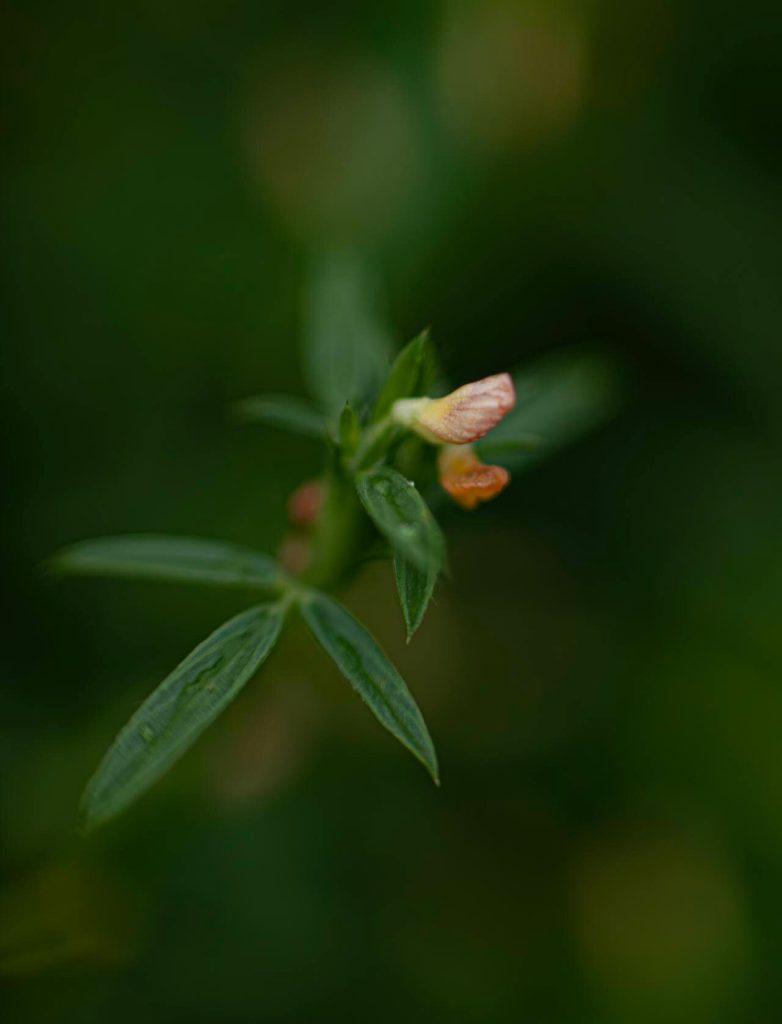
Propagating Stylosanthes guianensis: A Guide to Growing the Tropical Peanut
Introduction:
Stylosanthes guianensis, commonly known as Guianan stylo or Stylo, is a perennial legume native to tropical America. This resilient plant is prized for its nitrogen-fixing capabilities, making it a valuable addition to pastures and soil improvement projects. Its attractive, bright yellow flowers add a touch of sunshine to landscapes, contributing to its growing popularity among gardeners interested in sustainable and ecologically beneficial gardening practices. However, propagating Stylosanthes guianensis can present unique challenges due to its specific environmental requirements and reproductive biology. Its widespread use in agriculture, however, necessitates understanding effective propagation methods.
Seed Germination:
Seed germination is a viable method for propagating Stylosanthes guianensis, but it presents several challenges. Dormancy is a significant hurdle; many seeds require scarification or pre-treatment to break dormancy. This can involve mechanical scarification (nicking the seed coat with sandpaper) or chemical scarification (using concentrated sulfuric acid for a short period – this method requires caution and protective equipment). Heat treatments can also improve germination rates.
- Challenges: Seed dormancy, inconsistent germination rates, potential for fungal diseases in damp sowing conditions.
- Practical Tips: Scarification (mechanical or chemical), pre-soaking seeds in warm water for 24 hours, sowing in well-drained soil with good sunlight exposure, maintaining consistent soil moisture (not waterlogged). Consider using a seed-starting mix with good aeration.
- Rewards: High genetic diversity within propagated plants, potential for large-scale propagation, relatively low cost compared to other methods.
Cuttings:
Propagating Stylosanthes guianensis from cuttings is possible, but success rates are often moderate. Semi-hardwood cuttings taken from actively growing stems during the warmer months generally perform better. The use of rooting hormone can significantly improve the chances of success.
- Challenges: Relatively low rooting success rates compared to other methods, susceptibility to fungal diseases if cuttings are overly damp.
- Practical Tips: Using sharp, clean tools to take cuttings, treating cuttings with a rooting hormone, planting in a well-draining, moist medium (e.g., a mix of perlite and peat moss), maintaining humidity using a propagation dome or plastic bag, placing cuttings in a sheltered, shaded location.
- Rewards: Faster establishment than seed germination for selected genotypes, potential for cloning desirable traits.
Division:
Division is a relatively simple propagation method for established Stylosanthes guianensis plants. This involves carefully separating the plant into smaller sections, each with its own root system and shoots.
- Challenges: Only suitable for established plants, risks damaging the root system during division, limited propagation potential compared to other methods.
- Practical Tips: Dividing the plant in spring or early autumn when the plant is actively growing but before the onset of extreme temperatures. Ensure each division has ample roots and several healthy shoots. Planting divisions immediately after division in well-prepared soil.
- Rewards: Easy and relatively quick method for small-scale propagation, preserves the genetic identity of the mother plant.
Tissue Culture:
While tissue culture propagation of Stylosanthes guianensis is possible, it requires specialized equipment, sterile conditions, and expertise. It’s generally not a feasible method for the home gardener.
- Challenges: Requires specialized equipment and knowledge, high initial investment cost, risk of contamination.
- Practical Tips: This method is best left to professionals with experience in plant tissue culture techniques.
- Rewards: High propagation rates, the ability to produce disease-free plants, the potential for rapid multiplication of superior genotypes.
Conclusion:
Propagating Stylosanthes guianensis presents various challenges, depending on the chosen method. Seed germination offers the potential for large-scale propagation and genetic diversity but requires overcoming dormancy. Cuttings offer a faster establishment for specific genotypes but have lower success rates. Division is a simple, though limited, method for established plants. Tissue culture offers high rates of propagation but necessitates specialized expertise and facilities.
The unique satisfaction of successfully propagating Stylosanthes guianensis, however, comes from overcoming these challenges. The reward is not just a beautiful and ecologically valuable plant, but a testament to patience, perseverance, and attention to detail. For home gardeners, starting with seed germination or attempting cuttings offers achievable entry points to the rewarding endeavor of cultivating this remarkable tropical legume. Remember to research the specific needs of your location and cultivate patience – success will follow diligent effort.