
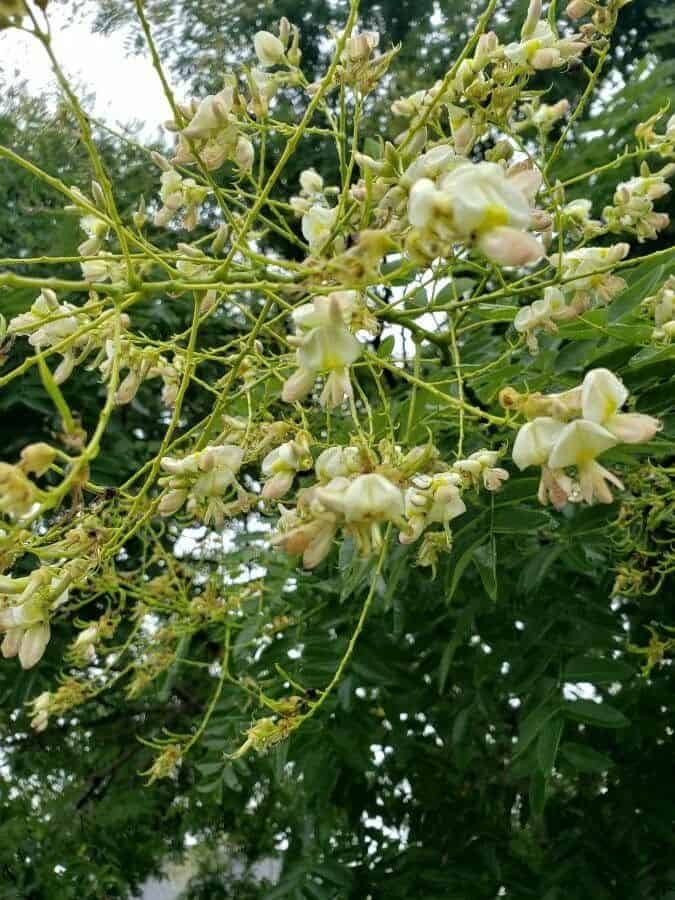
Demystifying Propagation: How to Grow More of the Majestic Sophora Tree (Styphnolobium japonicum)
The Sophora tree, with its regal bearing and stunning summer blooms, is a beloved addition to gardens around the world. Formerly known as Sophora japonica, this majestic beauty now goes by the name Styphnolobium japonicum. Whether you want to share its splendor with a friend or simply multiply your own green haven, learning how to propagate this tree can be an enjoyable and rewarding experience.
Unlocking the Secrets: Three Paths to Propagation
While the Sophora tree might seem intimidating with its towering height and established presence, propagating it isn’t as daunting as you might think. You can bring forth new life through three primary methods:
1. The Way of the Seed: A Patient Journey
Propagating from seed is the most natural way to grow a Sophora. While this method requires more patience, it presents an opportunity to witness the full life cycle of this magnificent tree.
- Timing is Everything: Collect seed pods in late summer or early fall when they turn brown and begin to dry.
- Breaking Dormancy: Sophora seeds have a hard outer shell that requires scarification to improve germination rates. Soak the seeds in hot water for 24 hours, then gently nick or file the seed coat before sowing.
- Nurturing Growth: Sow seeds in a well-draining seed starting mix, keeping them consistently moist. Be prepared for a wait—germination can take several weeks or even months.
2. The Power of Cuttings: A Faster Approach
Taking hardwood cuttings offers a faster propagation method, yielding results within the same season.
- Timing is Key: Late fall or early winter, when the tree is dormant, is the optimal time to take hardwood cuttings.
- Choose Wisely: Select healthy, one-year-old stems, about 6-8 inches long.
- Create a Rooting Haven: Remove the leaves from the bottom inch of the cutting and dip it in rooting hormone. Plant the cutting in a mix of peat moss and perlite, ensuring the bottom node is buried.
- Moisture is Essential: Maintain consistent moisture and warmth. With patience and proper care, your cuttings will develop roots within several weeks.
3. Layering: Encouraging Natural Rooting
Layering involves encouraging roots to develop on a branch while it is still attached to the parent tree.
- Springtime Endeavors: This method is best undertaken in spring when the tree is actively growing.
- Wound and Encourage: Select a low-hanging, flexible branch. Carefully wound the branch by making a small cut or removing a ring of bark. Apply rooting hormone to the wounded area.
- Bury and Secure: Bend the wounded section down and bury it in a shallow trench filled with moist potting mix. Use a stake to secure the branch in place.
- Patience is Rewarded: Roots will typically form within several months to a year. Once well-established, you can separate the new plant from the parent tree.
Reaping the Rewards: A Legacy in Your Garden
Propagating your Sophora tree is an act of creation and a testament to the enduring power of nature. Each method—seeds, cuttings, or layering—offers its own rewards and challenges. Whichever path you choose, the experience of cultivating new life from this magnificent tree will undoubtedly enrich your journey as a plant enthusiast.
Share Your Success: Do you have experience propagating Sophora trees? We’d love to hear about your successes and challenges in the comments below!