
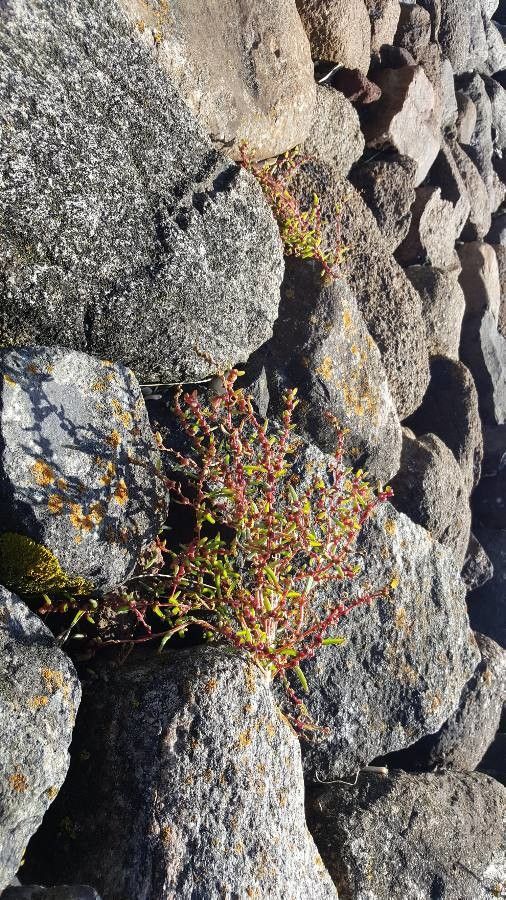
Seablite Secrets: Propagating Suaeda maritima at Home
Suaeda maritima, more commonly called seablite or herbaceous seepweed, brings a unique charm to gardens with its succulent-like foliage and salty resilience. Thriving in coastal landscapes and saline environments, this intriguing plant might seem like a niche interest, but don’t be fooled! Propagating seablite is surprisingly straightforward, making it a rewarding project for even novice gardeners. Whether you dream of a seaside-inspired garden or simply want to add a touch of unusual greenery, here’s a guide to successfully propagating Suaeda maritima.
Two Paths to Propagation: Seeds and Cuttings
Seablite offers two main methods of propagation:
1. Starting from Seeds: A journey from tiny seed to thriving plant is incredibly satisfying.
* **Sowing Time:** Spring is ideal, coinciding with naturally warmer temperatures.
* **Pre-sowing Treatment:** Unlike many seeds that prefer soaking,  seablite seeds benefit from a period of chilling. Place them in your fridge (not freezer!) for 2-4 weeks before sowing.
* **Sowing Depth:** Lightly press seeds onto the surface of well-draining seed compost. Don't bury them; light is crucial for germination.
* **Moisture and Light:** Keep the soil consistently moist but not waterlogged. Place the seed tray in a brightly lit location, out of direct sunlight.
* **Germination Time:** Expect seedlings to emerge within 2-3 weeks.
* **Thinning:** Once seedlings have a few true leaves, thin them out, giving each plant ample space to grow.
2. Propagating from Cuttings: For faster results and identical plant replicas, cuttings are the way to go.
* **Timing:** Take cuttings in late spring or early summer when the plant is actively growing.
* **Selecting Stems:** Choose healthy, non-flowering stems. Cut a 4-6 inch section just below a leaf node.
* **Preparing the Cutting:** Remove the lower leaves, leaving only a few at the top.
* **Rooting Hormone (Optional):**  While not essential, dipping the cut end in rooting hormone can speed up the process.
* **Planting:** Insert the prepared cutting into a pot filled with a well-draining mix of peat moss and perlite.
* **Humidity is Key:** Cover the pot with a plastic bag or use a propagator to maintain humidity. This is crucial for successful rooting.
* **Rooting Time:**  Be patient, as cuttings can take 4-8 weeks to develop roots. Gently tugging on the cutting will tell you if roots have formed.
Transplanting Your Seablite
- Harden Off: Whether starting from seed or cuttings, it’s crucial to gradually acclimatize your seablite to outdoor conditions before transplanting. Introduce it to the outdoors for increasing periods each day over a week or two.
- Soil and Location: Suaeda maritima flourishes in well-drained soil and full sun. While tolerant of salt, it doesn’t require it to thrive.
- Spacing: Space plants 1-2 feet apart to allow for adequate air circulation and growth.
A Rewarding Addition to Your Garden
Propagating Suaeda maritima is a fulfilling endeavor. With a bit of care and attention, you can enjoy the unique beauty of this salt-tolerant plant in your own garden. So, why not give it a try? The rewards, much like the plant itself, are both beautiful and surprisingly achievable.