
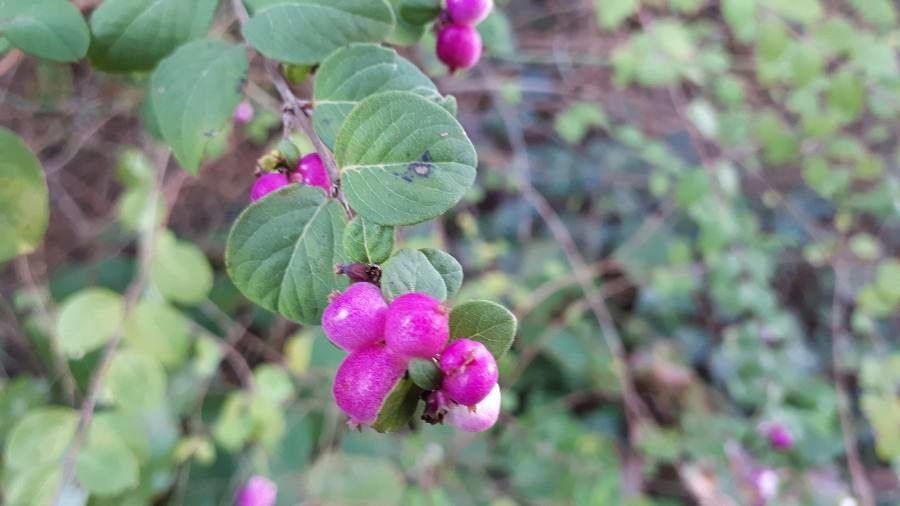
Propagating Indian Currant (Symphoricarpos orbiculatus): A Gardener’s Guide
Introduction:
Symphoricarpos orbiculatus, commonly known as Indian currant, snowberry, or coralberry, is a highly adaptable and attractive North American shrub prized for its profuse clusters of small, pink or white flowers followed by showy white or pinkish berries that persist into winter. Its tolerance to a wide range of soil conditions and its ability to thrive in both sun and shade make it a popular choice among gardeners, particularly for wildlife gardens and naturalized landscapes. While readily available commercially, propagating Indian currant offers a unique gardening challenge and the satisfaction of cultivating plants from your own stock. Several propagation methods exist, each with its own set of advantages and drawbacks.
Seed Germination:
Seed germination for Symphoricarpos orbiculatus is viable, but presents several challenges. The seeds possess a hard seed coat that inhibits germination, requiring a period of stratification. This process mimics the natural winter conditions that break dormancy.
Challenges: Low germination rates are common even with stratification. Seedlings can be slow to establish.
Practical Tips: Collect ripe berries in late autumn. Clean the seeds and stratify them by mixing them with moist peat moss or vermiculite and storing at temperatures between 33°F and 41°F (0.5°C and 5°C) for 3-4 months. Sow the stratified seeds in a well-draining seed-starting mix in early spring, keeping the soil consistently moist but not waterlogged. Maintain a warm environment (approximately 65-75°F or 18-24°C). Consider using a humidity dome to improve germination rates.
Rewards: Successful seed germination allows for the creation of a large number of genetically diverse plants, potentially adapting to various conditions.
Cuttings:
Propagation via cuttings is a viable and relatively successful method for Indian currant.
Challenges: The success rate depends greatly on timing and technique. Hardwood cuttings taken in late autumn/winter, or semi-hardwood cuttings in early summer, perform better than softwood cuttings.
Practical Tips: Use 4-6 inch long cuttings taken from non-flowering stems. Remove lower leaves and dip the cut ends in rooting hormone. Plant cuttings in a well-draining growing medium such as a peat and perlite mixture, maintaining consistently moist but not soggy conditions. Cover with a clear plastic dome or bag to maintain humidity. Rooting may take several weeks to months.
Rewards: This method maintains the exact genetics of the parent plant, resulting in quicker maturation and flowering compared to seed-grown plants.
Division:
Division is a viable method, particularly for established plants.
Challenges: Larger, more mature plants are best suited for division. Improper division can damage the plant.
Practical Tips: Divide the plant in early spring or late autumn. Dig up the entire plant carefully, and using a sharp shovel, separate the root ball into sections, each containing several stems and a good portion of roots. Replant the divisions immediately, ensuring adequate spacing.
Rewards: This is a fast and relatively successful way to increase the number of plants, particularly efficient for larger, mature bushes.
Tissue Culture:
Currently, there are no widely available or readily accessible protocols for tissue culture propagation of Symphoricarpos orbiculatus. While theoretically possible, it requires specialized laboratory equipment and expertise, making it impractical for the average home gardener.
Conclusion:
Propagating Indian currant presents a range of challenges depending on the chosen method. Seed germination offers the greatest genetic diversity but requires patience and careful stratification. Cuttings provide a faster and more reliable method for replicating preferred plant traits. Division is a simple and quick method for established plants. Tissue culture remains a specialized and unavailable option for home propagators. Yet, the rewards – witnessing the growth of a plant from seed or cutting, contributing towards your own unique landscape, and the satisfaction of overcoming the challenges involved – far outweigh the difficulties. So, aspiring propagators, embrace the process, learn from setbacks, and enjoy the journey of bringing these beautiful shrubs to life. Remember to research specific techniques and adapt them according to your own environment and resources for optimal success.