
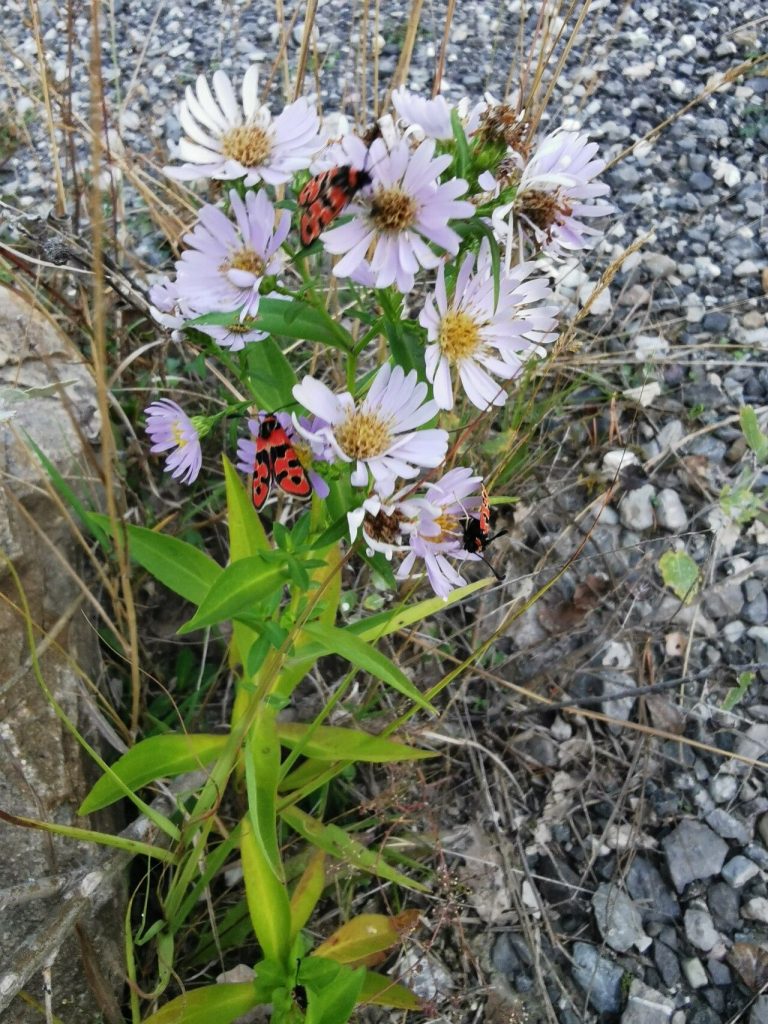
Propagating Smooth Aster (Symphyotrichum laeve): A Gardener’s Guide
Introduction:
Symphyotrichum laeve, commonly known as Smooth Aster, is a native North American perennial prized for its abundant, late-season blooms of dainty white or lavender flowers. Its upright habit and relatively low maintenance make it a popular choice among gardeners seeking to attract pollinators and extend the beauty of their autumnal displays. While relatively easy to grow from established plants, propagating Smooth Aster presents some unique challenges depending on the chosen method. Its popularity, coupled with its potential for variation within seed-grown offspring, makes propagation a rewarding endeavor for the dedicated gardener.
Seed Germination:
Seed germination for Symphyotrichum laeve is possible, but success rates can be variable. Challenges include a relatively low germination rate and a requirement for cold stratification.
Challenges: Seeds often require a period of cold, moist stratification to break dormancy. Incorrectly timed or executed stratification can lead to poor germination or utter failure. Furthermore, seedling establishment can be delicate, requiring consistent moisture and protection from pests and diseases.
Practical Tips: Collect seeds after they have fully matured and dried on the plant. Stratify seeds by mixing them with moist peat moss or vermiculite and storing in a refrigerator (35-40°F) for 8-12 weeks. Sow seeds in a well-draining seed-starting mix in spring, keeping the soil consistently moist but not waterlogged. Provide adequate light.
Rewards: Successfully germinated seeds offer the greatest genetic diversity, allowing for the potential to observe natural variation in flower color and plant form. This method is also suitable for large-scale propagation if successful.
Cuttings:
Propagation via cuttings is a more reliable method than seed germination for Symphyotrichum laeve.
Challenges: While relatively straightforward, success depends on selecting healthy, actively growing stem cuttings and providing ideal conditions for root development. Using rooting hormone can significantly improve success rates.
Practical Tips: Take semi-hardwood cuttings (partially mature stems) in late spring or early summer. Remove lower leaves to prevent rot and dip the cut ends in rooting hormone. Plant cuttings in a moist, well-draining propagation mix, ensuring adequate humidity (e.g., using a humidity dome or plastic bag). Keep the cuttings warm and consistently moist until rooting occurs (typically 4-6 weeks).
Rewards: Cuttings produce genetically identical plants to the parent plant, preserving desirable traits. This method allows for faster propagation compared to seed germination.
Division:
Division is the easiest and most reliable method for propagating Symphyotrichum laeve.
Challenges: Division only works with established plants and requires careful handling to avoid damaging the root system. The optimal time for division is typically in spring or fall.
Practical Tips: Carefully dig up the mature plant and gently separate the root clumps, ensuring each division has healthy roots and several shoots. Replant the divisions immediately, ensuring proper spacing and soil conditions. Water thoroughly after planting.
Rewards: Division is quick, simple, and produces readily established plants. It’s the most reliable method for ensuring a successful propagation outcome for the home gardener.
Tissue Culture:
Currently, there are no widely available or readily accessible protocols for tissue culture propagation of Symphyotrichum laeve. This method is generally more complex and requires specialized equipment and expertise.
Conclusion:
Propagating Symphyotrichum laeve offers varying levels of difficulty depending on the chosen method. While seed germination presents a challenge, it provides the reward of genetic diversity. Cuttings offer a reliable intermediate option, faster than seeds but less simple than division. Division, however, emerges as the most straightforward and successful approach for most home gardeners.
The satisfaction of successfully propagating this beautiful native aster, whether from seed, cutting, or division, is immense. Overcoming the challenges associated with each method brings a deeper appreciation for the plant’s resilience and the gardener’s skill. For beginners, starting with division is recommended. More experienced propagators might find the challenge of seed germination particularly rewarding, while cuttings provide a reliable middle ground. Don’t be disheartened by setbacks; persistence and observation are key to success in plant propagation.