
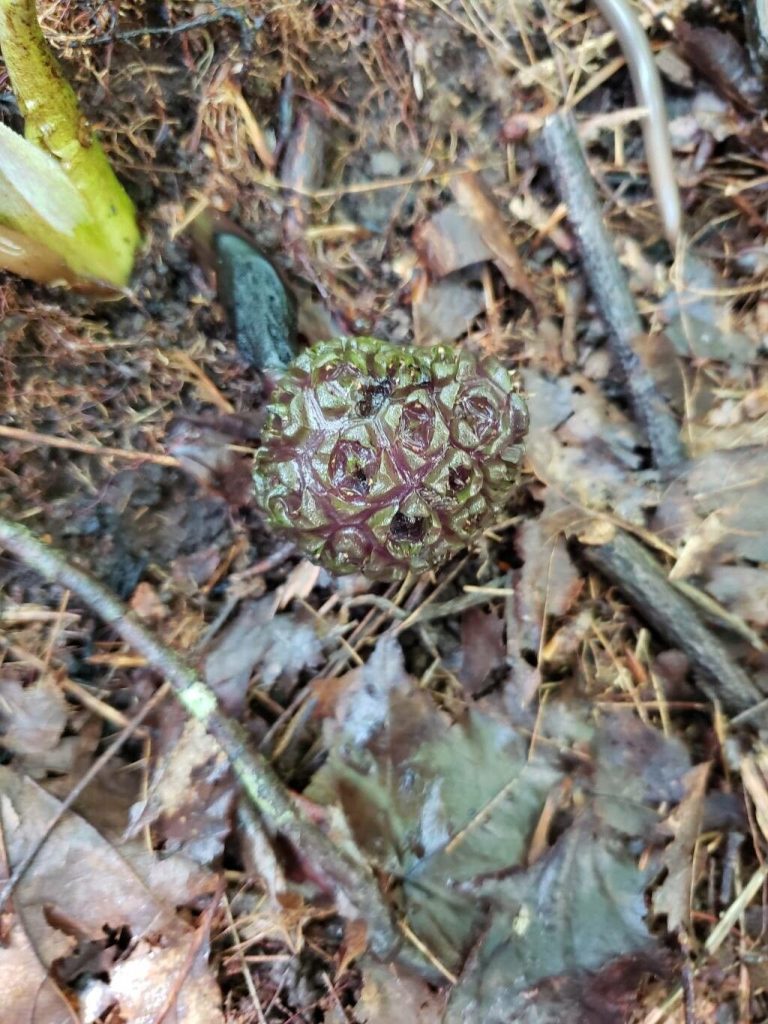
Propagating the Skunk Cabbage: A Challenging but Rewarding Endeavor
Introduction:
Symplocarpus foetidus, commonly known as skunk cabbage, is a striking wetland plant famous for its pungent odor (reminiscent of—you guessed it—skunk) and its ability to generate its own heat, thawing its way through frozen ground in early spring. This unique characteristic, along with its dramatic, hooded leaves and unusual spadix inflorescence, makes it a highly sought-after plant among adventurous gardeners. However, propagating skunk cabbage presents several challenges, making success a particularly rewarding experience. Its popularity stems from its unusual hardiness and ability to thrive in challenging conditions where few other plants can survive. This article explores various propagation methods, outlining their successes and shortcomings.
Seed Germination:
Seed germination for Symplocarpus foetidus is notoriously difficult and unreliable. While seeds can germinate, the process is often slow and unpredictable. The challenges include a prolonged dormancy period that requires specific environmental conditions to break. These conditions include a period of cold stratification (several months at temperatures near freezing) followed by a period of warm stratification. Even with appropriate stratification, germination rates are low, often below 20%.
Practical Tips (if viable):
- Stratification: Seeds should be collected when fully mature and then undergo a cold stratification period (e.g., 3-6 months) in moist peat moss or vermiculite at temperatures around 4°C (39°F). After the cold stratification, warm stratification should be applied at temperatures around 20°C (68°F) for another few months.
- Sowing: Sow seeds directly into moist, well-draining, acidic soil mimicking their natural wetland habitat. Maintain consistent moisture levels but avoid overwatering which could lead to rot.
- Rewards: Successful seed germination offers the potential for significant genetic diversity within a population, which is crucial for long-term health and resilience. This method is also ideal for large-scale propagation if germination rates can be improved through further research.
Cuttings:
Currently, there are no known reliable methods for propagating Symplocarpus foetidus using cuttings. The plant’s physiology doesn’t readily lend itself to this method.
Division:
Division is the most reliable and successful method for propagating Symplocarpus foetidus. Mature plants develop extensive rhizomes, and these can be carefully divided during dormancy (late autumn or early spring).
Challenges:
- Timing: Division must be done at the right time to avoid damaging the plant and to ensure each division has a sufficient root system.
- Care: Divided sections require careful handling and planting in moist, acidic soil similar to the parent plant’s conditions. Proper care is crucial for successful establishment.
- Rewards: Division offers a relatively high success rate and allows for rapid propagation of genetically identical plants. This maintains highly desirable traits.
Practical Tips:
- Use a sharp, sterile tool to divide the rhizomes, ensuring each section has healthy roots and growth buds.
- Plant the divisions immediately after separation in their new location.
- Water thoroughly after planting.
Tissue Culture:
While tissue culture has shown promise for propagating various other plant species, there is limited published research on its application to Symplocarpus foetidus. Further research is needed to determine its feasibility and optimization techniques.
Conclusion:
Propagating Symplocarpus foetidus presents a unique challenge for even seasoned gardeners. While seed germination is unreliable and cuttings are infeasible, division offers the most reliable method for propagation. The rewards, however, are significant. Successfully cultivating this remarkable plant, with its unusual adaptations and fascinating life cycle, provides a unique sense of accomplishment. It is a testament to patience, understanding of its specific needs, and a deep appreciation for the complexities of the natural world. Don’t be discouraged by the challenges – the eventual flourishing of your skunk cabbage plants is a rewarding experience! Focus on division as a starting point, continue research on refining seed germination, and remain hopeful for future breakthroughs in tissue culture techniques. The journey itself is as rewarding as the final result.