
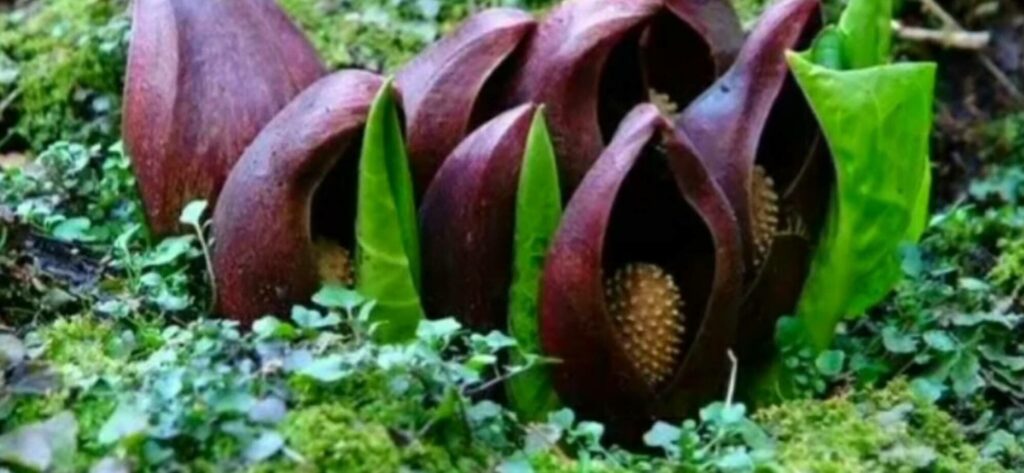
Waking the Skunk Cabbage: A Guide to Propagating Symplocarpus Renifolius
Skunk cabbage: it’s a name that evokes curiosity and perhaps a slight wrinkle of the nose. And for good reason! This fascinating plant, scientifically known as Symplocarpus renifolius, is famed for its pungent aroma and almost unbelievable ability to generate heat, melting snow around it even in the dead of winter. But beyond its quirky nature lies an intriguing subject for plant enthusiasts: propagation.
While many know of the skunk cabbage’s unique characteristics, fewer are aware of the different ways to cultivate this botanical marvel. So, if you’re ready to welcome this unusual plant into your garden, let’s delve into the fascinating world of Symplocarpus renifolius propagation.
The Seeds of Success: Propagating from Seed
The most common method for propagating skunk cabbage is through its vibrant red berries. In late summer, the plant’s flowers give way to these fleshy fruits, each packed with multiple seeds. Here’s how to harness their potential:
- Collection and Preparation: Collect the ripe berries in late summer and carefully extract the seeds. It’s best to sow them immediately as they are sensitive to drying out.
- Sowing: Choose a shaded location with consistently moist, humus-rich soil for your skunk cabbage seeds. Sow them directly into the ground, ideally in a bog garden or near a pond.
- Patience is Key: Be prepared to wait! Germination can be slow and sporadic, sometimes taking several months or even a year. But don’t lose hope; with patience, your skunk cabbage seedlings will eventually emerge.
Dividing and Conquering: Propagation by Division
If you want quicker results and already have an established skunk cabbage plant, division is the way to go. This method is best undertaken in early spring or fall.
- Careful Extraction: Gently dig up a portion of the plant, ensuring you get a healthy chunk of rhizome (the thick underground stem).
- Division: Using a sharp, clean knife, divide the rhizome into sections, with each section containing at least one growth point.
- Replanting: Replant the divisions immediately in their desired locations, ensuring the same moist, shady conditions as the parent plant.
Important Considerations:
- Location is Key: Symplocarpus renifolius thrives in wet, shady environments. A bog garden or the edge of a pond mimics its natural habitat.
- Soil Matters: Rich, acidic soil with plenty of organic matter is crucial.
- Patience is Rewarded: Whether you choose seeds or division, remember that skunk cabbage takes its time to establish. Don’t be discouraged by slow progress; the unique beauty of this plant is worth the wait.
Propagating Symplocarpus renifolius is a rewarding experience for those willing to embrace its unusual nature. With a bit of patience and the right conditions, you can successfully cultivate this intriguing plant, adding a touch of the wild and wonderful to your own backyard.