
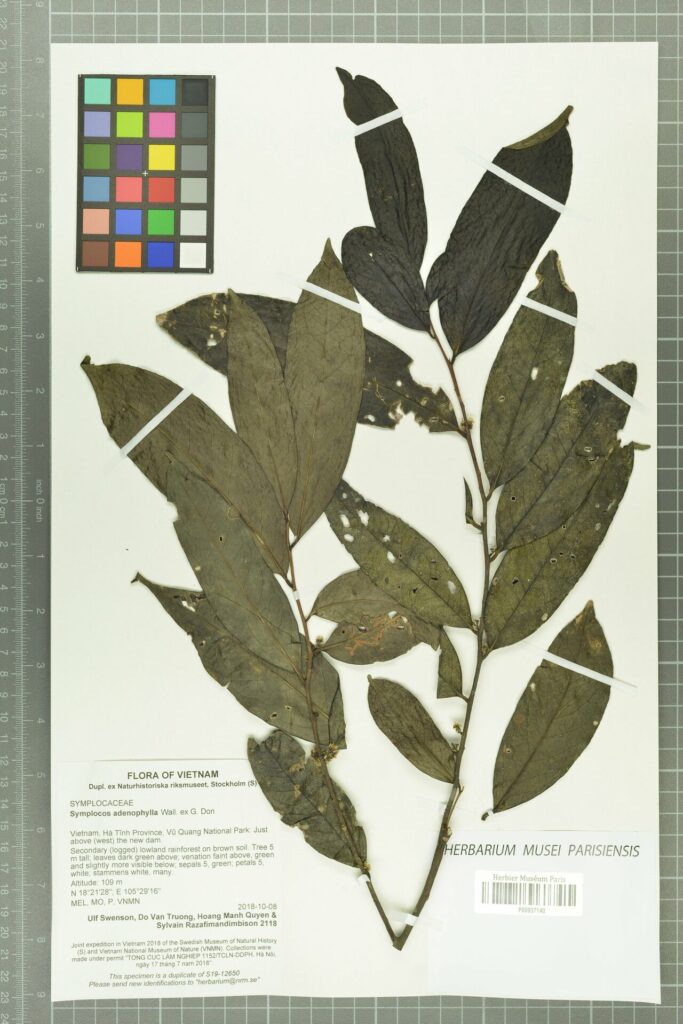
Unlocking the Secrets of Symplocos adenophylla: A Propagation Guide
Symplocos adenophylla, also known as the Asian sapphireberry, is a sight to behold. Imagine a graceful shrub, cloaked in emerald foliage and adorned with delicate, sapphire-blue berries. It’s a visual feast that can elevate any garden from ordinary to extraordinary.
If, like many plant enthusiasts, you’re eager to welcome this exotic beauty into your own green space, understanding its propagation is key. While acquiring a ready-to-plant specimen might seem easiest, there’s a unique satisfaction in nurturing a plant from its earliest stages.
Let’s delve into the world of Symplocos adenophylla propagation and explore the methods that will bring you the most success:
1. Seed Propagation: A Test of Patience
Starting Symplocos adenophylla from seed can be a rewarding, albeit lengthy process. Here’s a step-by-step guide:
- Seed Collection: Collect the sapphire-blue berries in fall when they are fully ripe. Extract the seeds and clean off any remaining fruit pulp.
- Stratification: Symplocos adenophylla seeds require a period of cold stratification to mimic natural winter conditions. Place the seeds in a moistened paper towel, seal them in a plastic bag, and store them in the refrigerator for 6-8 weeks.
- Sowing: In spring, fill seed trays with a well-draining seed-starting mix. Sow the seeds about ¼ inch deep and keep the soil consistently moist but not waterlogged.
- Patience is Key: Germination can be slow and erratic, taking anywhere from a few weeks to a few months. Be patient and provide consistent care.
2. Semi-Hardwood Cuttings: For Faster Results
Propagating from semi-hardwood cuttings offers a faster route to establishing new plants. Here’s how:
- Timing is Everything: Take cuttings in late summer or early fall when the plant’s growth is slightly hardened.
- Selecting Cuttings: Choose healthy, non-flowering stems about 4-6 inches long. Make a clean cut just below a leaf node.
- Promoting Root Development: Remove the lower leaves from the cutting, leaving only 2-3 leaves at the top. Dip the cut end in rooting hormone to encourage root development.
- Planting and Care: Plant the cuttings in a well-draining potting mix and place them in a warm, humid environment. A humidity dome or a plastic bag placed over the pot can help maintain moisture.
3. Layering: A Natural Approach
Layering is another effective propagation method that encourages roots to form on a stem while it’s still attached to the parent plant.
- Choosing a Stem: In spring or early summer, select a flexible, low-growing stem.
- Wounding and Burying: Make a small wound on the underside of the stem. Bend the stem down and bury the wounded portion in the soil, securing it with a rock or landscape pin.
- Patience and Separation: It may take several months for roots to develop. Once the layered section has rooted well, it can be separated from the parent plant and potted up.
Nurturing Your Symplocos adenophylla
No matter your chosen propagation method, providing optimal growing conditions is crucial for your Symplocos adenophylla to thrive:
- Sunlight: Provide partial shade to full sun, depending on your climate.
- Soil: Ensure well-drained, slightly acidic to neutral soil.
- Water: Water regularly, especially during dry spells.
- Fertilizer: Feed in spring with a balanced fertilizer.
Propagating Symplocos adenophylla can be a labor of love, but the reward of witnessing these captivating plants flourish in your own garden makes it all worthwhile. So, are you ready to embark on this rewarding journey?