
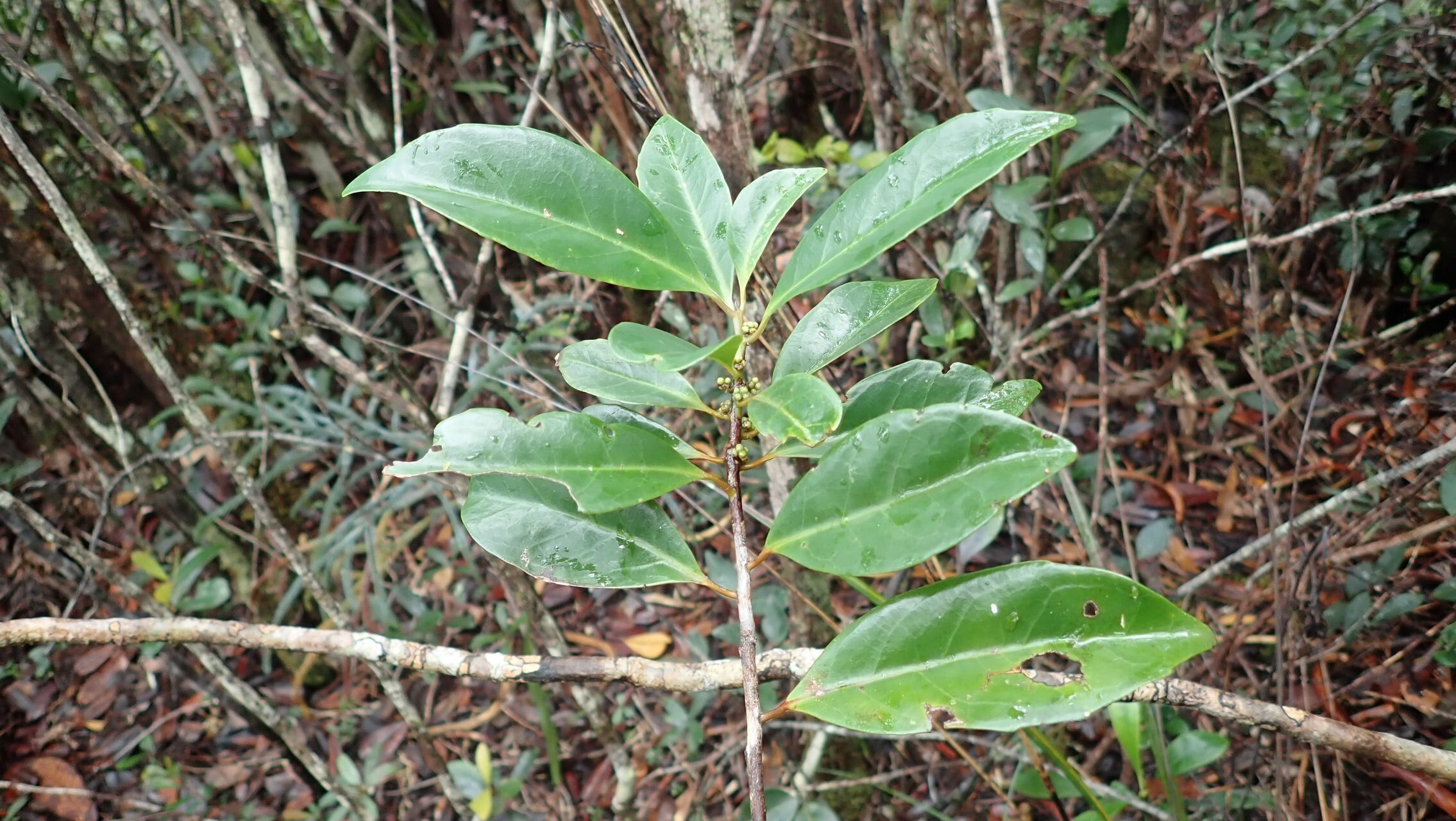
Bringing the Beauty of Symplocos Montana Home: A Guide to Propagation
Symplocos montana, also known as the mountain sweetleaf, is a stunning native plant that boasts fragrant white flowers, vibrant autumn foliage, and attractive berries. Its beauty and adaptability make it a popular choice for gardens, but acquiring this plant can be a challenge. Fortunately, propagating Symplocos montana is fairly straightforward, allowing you to easily share its charm with others or expand your own collection.
Understanding the Basics of Propagation
Propagation is the process of creating new plants from existing ones. It essentially involves taking a piece of the parent plant and helping it develop roots and become self-sufficient. There are several methods of propagation, each with its own advantages and disadvantages. For Symplocos montana, two methods are particularly successful:
This method utilizes new, tender growth from the current season.
- Timing is key: Take cuttings in late spring or early summer when the new growth is still pliable.
- Cuttings: Choose healthy stems with several nodes (bulges where leaves grow) on them. Cut just below a node with a clean, sharp knife or shears.
- Prepare the cuttings: Remove leaves on the bottom inch or two of the cutting. Dip the cut end in rooting hormone to encourage root development.
- Planting: Use a well-draining potting mix and place the cuttings in a small pot or tray. Maintain consistent moisture, but avoid overwatering.
- Protection: A mini greenhouse or clear plastic dome can help create the right humidity for successful root development.
- Patience: With careful care, these cuttings should root within a few weeks. Once established, they can be transplanted into larger pots or directly in the garden.
2. Semi-Hardwood Cuttings:
This method uses slightly more mature growth than softwood cuttings.
- Timing: Take cuttings in late summer or early fall when the new growth has begun to harden.
- Preparation: The process is similar to softwood cuttings. Cuttings should have several nodes, and leaves should be removed from the bottom portion. Dip the cut end in rooting hormone.
- Planting: Utilize a well-draining potting mix and plant the cuttings in a pot or tray. Consistent moisture is essential.
- Winter Care: During the winter, provide protection from frost and keep the potting mix slightly moist.
- Spring Transition: In the spring, the rooted cuttings can be gradually acclimated to outdoor conditions and ultimately transplanted into their permanent locations.
Tips for Success:
- Clean Tools: Always sterilize your cutting tools to prevent the spread of diseases.
- Watering: Avoid excess watering, which can lead to root rot. Check the soil moisture regularly and water only when the top inch feels dry.
- Light: Provide the cuttings with bright, indirect sunlight.
- Location: Choose a well-drained, partially shady location for your Symplocos montana plants. They thrive in acidic soils.
- Patience: Propagation takes time. Don’t be discouraged if you don’t see results immediately.
Sharing the Beauty:
By propagating your Symplocos montana, you can share its beauty with friends, family, and other plant enthusiasts. You can also create a stunning collection of these plants in your own garden.
The Joy of Propagation:
Beyond the practical application, propagating plants connects you to nature’s cycle in a unique way. It becomes a rewarding experience that brings you closer to the plants you love. So, why not give Symplocos montana propagation a try? With some patience and care, you’ll soon have your own beautiful and fragrant mountain sweetleaf to enjoy.