
From One to Many: Propagating Your Symplocos Uniflora
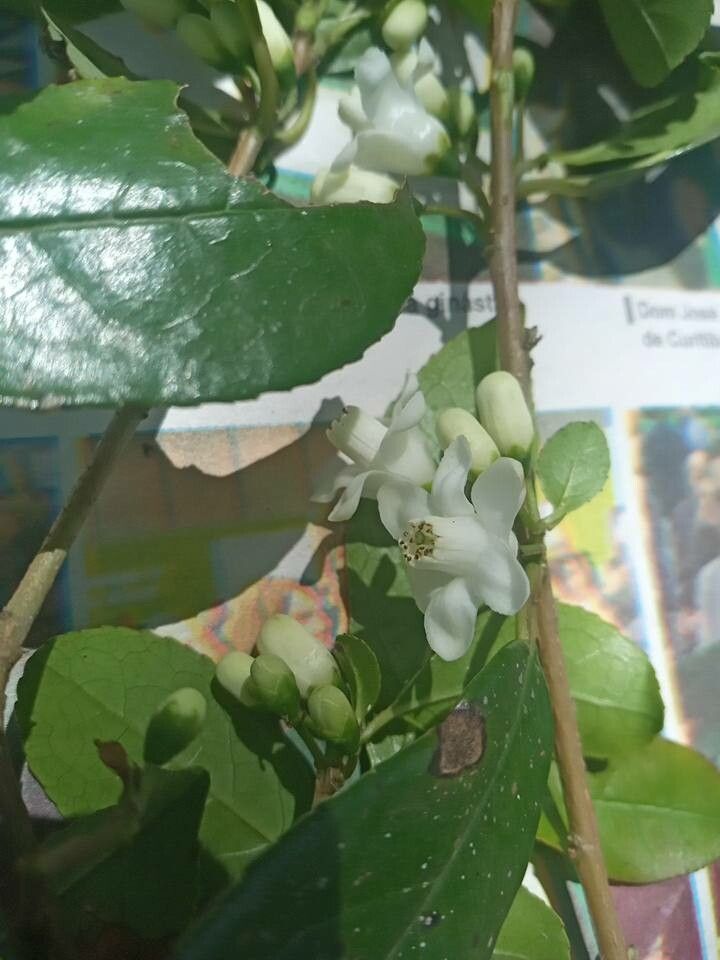
Symplocos uniflora, with its stunning foliage and delicate, fragrant flowers, is a true gem for any gardener. But what if you want to share this beauty with others or simply add more of this special plant to your own garden? That’s where propagation comes in!
While seeds are an option for starting new plants, propagation through cuttings is a simpler and more efficient way to enjoy the wonders of Symplocos uniflora. Here’s a step-by-step guide to help you create your own little Symplocos forest:
1. Timing is Key:
The best time to take cuttings is during the spring or early summer. This is when the plant is actively growing and has the most energy to dedicate to rooting. In warmer climates, you might even be able to try fall cuttings, but spring remains the ideal time for success.
2. Choose the Right Cuttings:
Look for healthy, non-flowering stems with new growth. Ideally, these should be about 6-8 inches long and have 3-4 sets of leaves. Using sharp, clean pruning shears, take your cuttings just below a node (the point from which leaves emerge).
3. Prep for Success:
Remove the leaves from the bottom inch or two of the cutting. This exposes the stem to the soil for better root development. Dip the cut end of the stem in rooting hormone powder. This will encourage the formation of roots more quickly.
4. Plant It Right:
Choose a pot with drainage holes and fill it with a well-draining potting mix. Use a pencil or your finger to create small holes in the mix, one for each cutting. Plant the cuttings deep enough so that the leaves are above the soil line.
5. Create the Optimal Environment:
For successful rooting, a warm, humid environment is crucial. You can achieve this by creating a mini-greenhouse. Cover the pot with a clear plastic dome or simply a plastic bag. Make sure the bag is not touching the cuttings. Place the pot in a bright location but out of direct sunlight.
6. Be Patient and Persistent:
Rooting can take several weeks, and sometimes even months. Keep the soil consistently moist, but not soggy. It’s tempting to uncover your cuttings constantly to check for progress, but frequent exposure to air can hinder the rooting process. Try to be patient and check only occasionally.
7. Transplanting Time!
Once your cuttings have developed roots, typically indicated by new growth appearing at the top, it’s time to move them to individual pots or the garden. Carefully remove the cuttings from their rooting environment, being careful not to damage the roots. Gently tease apart the roots, then plant the cuttings in their permanent location.
8. Provide Ongoing Care:
Just like any newly planted plant, your propagated Symplocos uniflora will need regular watering and some basic care. Ensure it receives adequate sunlight and fertilize with a balanced solution every few weeks during the growing season.
Propagation can be a wonderful way to expand your garden and share your passion for plants with others. With a little patience and these simple steps, you can start enjoying the beauty of Symplocos uniflora in multiple locations. So grab your shears, gather your cuttings, and get propagating!