
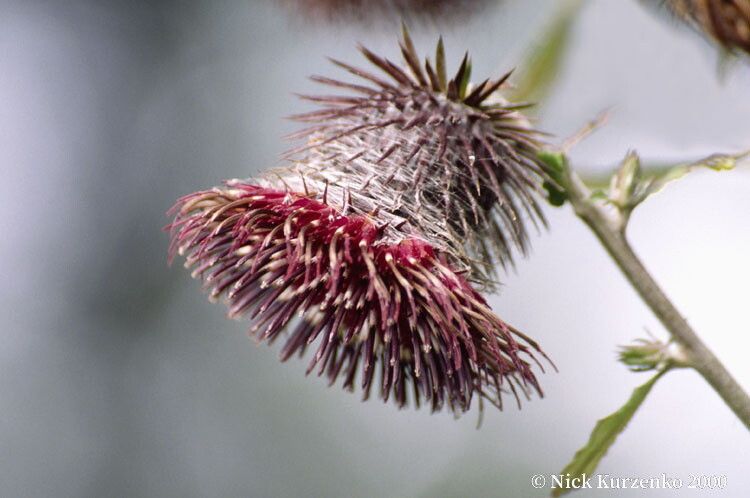
Unveiling the Secrets of Synurus Deltoides: A Propagation Guide for the Intrepid Gardener
Synurus deltoides, a captivating wildflower hailing from East Asia, isn’t a name that rolls off the tongue easily. Yet, one look at its striking, thistle-like blooms and architectural foliage is enough to pique any gardener’s interest. But, taming this wild beauty in your own garden might seem daunting. Fear not, aspiring cultivators! This guide delves into the fascinating world of Synurus deltoides propagation, empowering you to welcome this botanical marvel into your outdoor haven.
Understanding the Basics
Before embarking on this rewarding journey, it’s crucial to understand the plant’s lifecycle. Synurus deltoides is a biennial or short-lived perennial, meaning it can grace your garden for a couple of years, with a bit of dedicated care.
The Power of Seeds: Your Primary Propagation Path
Seed propagation is the most common and reliable method for Synurus deltoides:
- Seed Collection: The plant’s captivating blooms give way to seedheads in late summer or early fall. Look for dry, brown seedheads ready to disperse their bounty.
- Seed Preparation: Gently crush the seedheads to release the seeds. A gentle rub through a sieve can help separate them from any remaining chaff.
- Sowing Time: Fall sowing is ideal, mimicking the plant’s natural cycle. Sow seeds directly in prepared garden beds or start them indoors 6-8 weeks before the last frost.
- Sowing Depth: Lightly press the seeds into the soil surface, ensuring they receive adequate light for germination.
- Patience is Key: Germination can be slow and erratic, sometimes taking several months. Maintain consistent moisture and be prepared for surprises the following spring.
Tip: Cold stratification, mimicking winter’s chill, can improve germination rates. Place seeds in a moist paper towel within a sealed bag and store them in the refrigerator for 4-6 weeks before sowing.
Beyond Seeds: Exploring Division and Cuttings
While seed propagation reigns supreme, intrepid gardeners can experiment with alternative methods:
- Division: Mature plants with multiple crowns can be carefully divided in spring or fall. Ensure each division has a healthy root system before replanting.
- Basal Cuttings: Taking cuttings from the base of the plant in spring can be successful. Dip the cut end in rooting hormone and plant it in a well-draining medium, maintaining warmth and humidity.
Nurturing Your Synurus Deltoides
Successfully propagating this wildflower is only half the battle; providing the right conditions for thriving is crucial:
- Sunlight: While Synurus deltoides tolerates some shade, it flourishes in full sun, rewarding you with abundant blooms.
- Soil: Well-drained soil is non-negotiable. This plant thrives in average garden soil and appreciates slightly acidic to neutral pH levels.
- Water: Water regularly during the first year to establish a strong root system. Once established, this resilient plant tolerates drought conditions.
Rewards Beyond Beauty
With its unique appearance, Synurus deltoides isn’t just a feast for the eyes. Its late-season blooms provide a valuable nectar source for pollinators, making it a boon for biodiversity in your garden.
So, why wait? Embark on this rewarding journey of propagation and invite the captivating Synurus deltoides to grace your garden with its unique charm. With a little patience and dedication, you’ll soon have a thriving patch of these captivating wildflowers, a testament to your gardening prowess.