
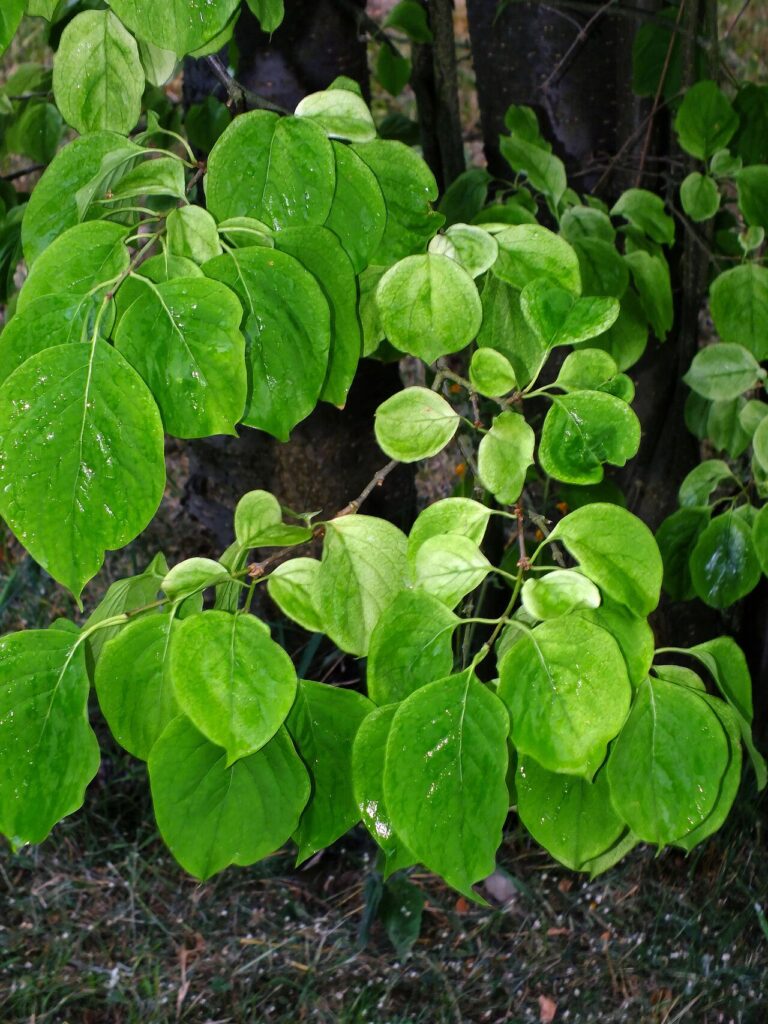
Beyond the Bloom: Propagating the Elegance of Japanese Tree Lilac (Syringa reticulata)
The Japanese Tree Lilac, or Syringa reticulata, is a visual delight, renowned for its intoxicating fragrance and showy summer blooms. While admiring its beauty is a pleasure in itself, have you ever considered growing your own? Propagating this resilient tree is a rewarding endeavor, adding a touch of horticultural achievement to your gardening experience.
This guide delves into the world of Japanese Tree Lilac propagation, offering beginner-friendly techniques to multiply your floral bounty.
Two Roads to Branch Out: Seeds vs. Cuttings
You can propagate your Japanese Tree Lilac in two primary ways:
1. From Seed: A Journey of Patience and Reward
- Timing is Key: Gather mature seed capsules in late summer or early fall when they turn brown and begin to split open.
- Preparation & Sowing: Extract the seeds and allow them to dry thoroughly. Sow them directly in a prepared outdoor seedbed in the fall, or stratify them indoors over winter and sow in spring.
- Patience is a Virtue: Germination can be slow, sometimes taking several months. Once seedlings are large enough to handle, transplant them into individual pots and continue nurturing them until they are ready for planting in their permanent locations.
2. From Cuttings: The Faster Route to Floral Abundance
- The Optimal Moment: Take softwood cuttings (new growth) in late spring or early summer when the wood snaps easily.
- Crafting the Cuttings: Use a sharp, clean knife or pruning shears to take 4-6 inch cuttings, making the cut just below a leaf node. Remove the leaves from the lower half of the cutting.
- Hormonal Boost: Dip the cut end in rooting hormone to encourage faster root development.
- Creating the Perfect Environment: Plant cuttings in a well-draining rooting mix (equal parts peat moss and perlite work well) and maintain consistent moisture. Cover the pot with a plastic bag to create a humid environment.
- Transplanting Success: Once roots develop (usually within a couple of months), transplant the cuttings to larger pots and continue growing them until they are strong enough to be planted outdoors.
Nurturing Your Propagated Jewels
Whether you choose seeds or cuttings, providing optimal care ensures your Japanese Tree Lilac will thrive:
- Sun-Kissed Location: Plant in a location that receives at least 6 hours of direct sunlight per day.
- Well-Drained Soil: Ensure good drainage to prevent root rot.
- Regular Watering: Water deeply and regularly, especially during the first year after planting.
- Pruning for Shape and Health: Prune after flowering to maintain a desirable shape and remove any dead or diseased branches.
Propagating your own Japanese Tree Lilac might require a touch of patience, but the rewards are plentiful. With a bit of dedication and care, you’ll soon be treated to the breathtaking beauty and enchanting aroma of these resilient trees gracing your very own garden. Happy propagating!