
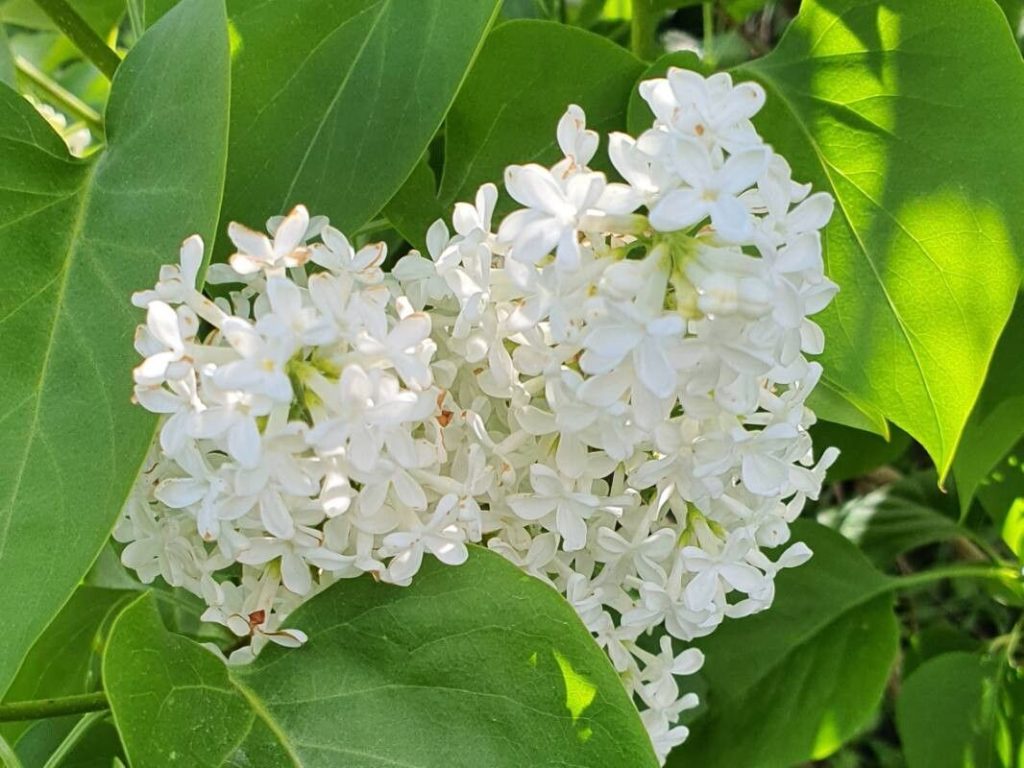
Propagating Syringa vulgaris: The Art of Growing Lilac
Syringa vulgaris, commonly known as the common lilac, is a beloved flowering shrub renowned for its intoxicating fragrance and vibrant clusters of purple, white, pink, or lavender flowers. Its hardiness, longevity, and relatively low maintenance requirements have secured its place as a staple in gardens worldwide. However, propagating lilacs can present unique challenges, making successful cultivation all the more rewarding. This article explores various propagation methods, highlighting their feasibility and outlining practical steps for success.
Seed Germination:
Currently, there are no known reliable methods for seed germination propagation of Syringa vulgaris. While lilac seeds can germinate under specific conditions, the process is incredibly slow, unpredictable, and rarely results in plants that faithfully reproduce the parent plant’s characteristics. The seedlings often exhibit significant variation, and it may take several years before flowering occurs, making this method impractical for most gardeners.
Cuttings:
This method is far more reliable than seed germination for propagating Syringa vulgaris. However, it still presents some challenges.
Challenges: Lilac cuttings can be slow to root, and success rates vary depending on the timing, type of cutting, and environmental conditions. Hardwood cuttings generally yield better results than softwood or herbaceous cuttings.
Practical Tips: Take hardwood cuttings in late autumn or winter from mature, non-flowering stems. Cuttings should be 6-8 inches long, with a slightly angled cut at the base. Dip the cut end in rooting hormone to stimulate root development. Plant cuttings in a well-draining rooting medium (e.g., a mix of perlite and vermiculite) and keep them consistently moist but not waterlogged. Maintain a high humidity level (e.g., using a propagator or covering with a plastic bag) and ideally, a temperature around 70°F (21°C).
Rewards: Cuttings offer a relatively quick and reliable way to produce exact genetic copies of the parent plant, ensuring that desirable traits are preserved.
Division:
Division is a viable method for propagating Syringa vulgaris, particularly for established, mature plants with multiple stems.
Challenges: This method is only suitable for mature plants and can be physically demanding, requiring the careful separation of the root system to avoid damaging the plant. Improper division can stress or even kill the lilac.
Practical Tips: Divide lilacs in early spring or late autumn, after the leaves have fallen. Carefully dig up the entire plant, and using a sharp spade or knife, separate the root ball into distinct sections, each with its own set of stems and roots. Replant the divisions immediately in well-prepared soil, ensuring each has ample space to grow.
Rewards: Division is relatively straightforward and results in multiple plants quickly, although it is limited by the size and health of the parent plant.
Tissue Culture:
Tissue culture provides a highly controlled environment for rapid propagation of lilac plants.
Challenges: This method requires specialized equipment, skills, and a sterile laboratory setting. It’s not a practical approach for the average home gardener due to its complexity and cost.
Practical Tips: Tissue culture relies on the aseptic cultivation of small plant sections (explants) on a nutrient-rich medium. This requires expertise in sterile techniques and understanding the specific nutritional requirements of lilac tissue.
Rewards: Tissue culture offers the potential for mass propagation of genetically uniform plants, and it allows for the elimination of diseases.
Conclusion:
Propagating Syringa vulgaris offers diverse challenges and rewards depending on the chosen method. While seed germination is unreliable, cuttings offer a practical and relatively successful option for home gardeners. Division is a viable option for established plants, and tissue culture, although technically demanding, offers high propagation rates. The inherent difficulty in propagating lilacs, particularly through cuttings, makes the eventual success all the more rewarding, providing a deep sense of satisfaction in nurturing these fragrant beauties from a single cutting or division. The unique aroma of lilac blossoms, the memory of cultivating them successfully, makes the dedication well worth the effort. For aspiring propagators, patience, attention to detail, and a little persistence are key to achieving success in the art of growing lilacs.