
Seagrass Success: Propagating Syringodium Isoetifolium for a Healthier Ocean
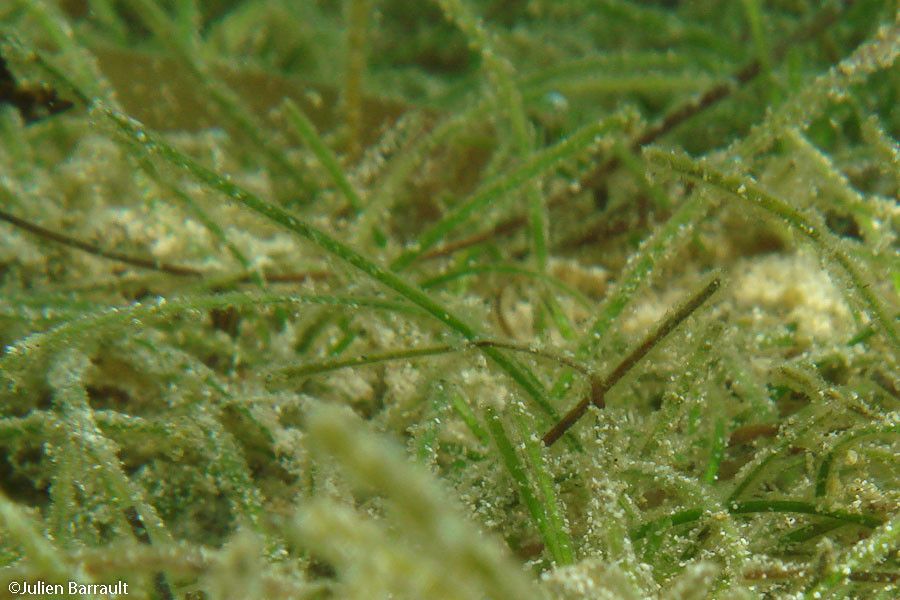
Syringodium isoetifolium, commonly known as noodle seagrass or cylindrical water-nymph, might not be a household name, but it plays a vital role in our marine ecosystems. This fascinating seagrass provides food and shelter for countless marine organisms, helps to improve water quality, and contributes to healthy coastal habitats.
If you’re interested in marine conservation or simply curious about cultivating this unique plant, understanding how to propagate Syringodium isoetifolium is a great place to start.
Understanding Syringodium Isoetifolium
Before diving into propagation, it’s helpful to know a little more about this fascinating plant. Found in tropical and subtropical regions, Syringodium isoetifolium stands out with its cylindrical, noodle-like leaves, unlike the flat blades of many other seagrass species. This seagrass thrives in shallow, sandy areas where it receives ample sunlight.
Methods of Propagation
Unlike many terrestrial plants easily grown from seeds, Syringodium isoetifolium primarily reproduces vegetatively. This means new plants arise from existing plant parts. Here are the two main methods used for propagation:
-
Fragmentation: This is the most common natural method. Portions of the rhizome, the plant’s underground stem, break off and drift with the currents. If these fragments settle in a suitable environment, they develop roots and establish as new plants.
- Rhizome Cuttings: This method is often used in restoration efforts or by enthusiasts. It involves carefully taking cuttings of healthy rhizomes, making sure each cutting has at least one node (a bump on the rhizome where roots and shoots emerge). These cuttings are then planted in a suitable substrate.
Creating the Ideal Environment
Whether you’re working with naturally occurring fragments or rhizome cuttings, providing the right environment is crucial:
- Substrate: A sandy substrate best mimics Syringodium’s natural habitat and allows for proper root development.
- Salinity: Being a seagrass, it requires saline water. Maintaining the correct salinity level, usually between 25 and 35 parts per thousand (ppt), is crucial for its survival.
- Light: As a photosynthetic plant, Syringodium needs plenty of light. In an aquarium or controlled environment, strong lighting that replicates sunlight is essential.
- Water Flow: Syringodium prefers gentle water movement. In an aquarium, a wave maker or gentle filtration system can help mimic natural currents.
- Nutrients: While Syringodium obtains nutrients from the water column, supplementing with a seagrass-specific fertilizer can promote healthy growth.
Patience is Key
Propagating Syringodium isoetifolium requires patience. It might take several weeks or even months for rhizome cuttings to establish and new growth to become apparent. Regularly monitor the plants, ensuring the water parameters remain stable, and be prepared to make adjustments as needed.
A Rewarding Endeavor
Successfully propagating Syringodium isoetifolium, while demanding patience and careful attention, is a rewarding experience. You contribute to the preservation of a vital marine species and gain a deeper understanding of the delicate balance within our oceans. Whether you’re a marine enthusiast, a student, or simply interested in doing your part for the planet, cultivating Syringodium isoetifolium can be a fascinating and fulfilling endeavor.