
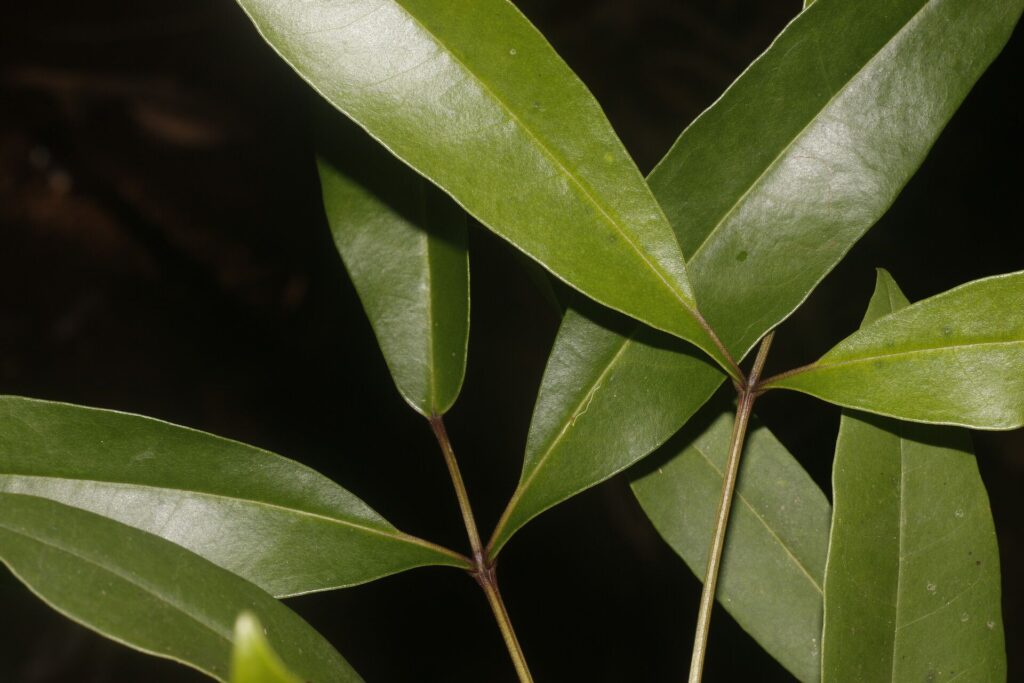
From Seed to Showstopper: Propagating the Striking Tabebuia Palustris
The Tabebuia palustris, with its stunning trumpet-shaped blooms and tropical charm, is a captivating addition to any garden. But did you know you can easily create your own Tabebuia haven by propagating these beauties yourself? This guide will take you through the process, turning you from plant enthusiast to propagation pro.
Two Main Methods
There are two main pathways to growing your own Tabebuia palustris:
- From Seeds: This is the simplest and most readily available method. Tabebuia seeds are relatively easy to find online or at specialized nurseries.
- From Cuttings: This technique involves taking a piece of a mature Tabebuia and encouraging it to develop roots. This method is slightly trickier than using seeds but offers the advantage of replicating the exact characteristics of the parent plant.
The Seed-to-Sapling Journey
1. Preparing the Seeds:
- Start by soaking your Tabebuia seeds in warm water overnight. This softens the tough outer layer and helps with germination.
- Choose a well-draining potting mix and fill your seed trays or pots.
2. Sowing the Seeds:
- Press the seeds lightly into the soil, no more than a half-inch deep.
- Water gently and ensure the soil remains moist but not soggy.
3. Germination and Growth:
- Place the trays under a grow light or in a sunny spot.
- Tabebuia seeds typically germinate within a few weeks, but it can take up to a month in some cases.
- Once the seedlings have a few true leaves, they can be individually potted in slightly larger containers.
The Art of Taking Cuttings
1. Selecting and Cutting:
- Choose a healthy, mature Tabebuia branch from a thriving plant.
- Make a clean cut just below a leaf node, the point where a leaf or bud grows.
2. Root Hormone Treatment:
- Dip the cut end of the branch into a rooting hormone powder or solution. This stimulates root growth.
3. Planting the Cutting:
- Fill a small pot with a mix of peat moss and perlite.
- Make a hole in the center and gently insert the cutting, ensuring at least one node is buried in the soil.
4. Maintaining Humidity:
- Mist the cutting regularly and cover the pot with a plastic bag to retain moisture.
- Place the potted cutting in a warm, shaded location.
5. Patience Pays Off:
- Tabebuia cuttings can take several weeks to develop roots. Be patient and continue to monitor the moisture level.
Nurturing Your Young Tabebuias
Whether you start from seed or cutting, nurturing your young Tabebuia requires some basic care:
-
Sunlight: Tabebuia palustris thrives in full sun; ensure they get at least six hours of direct sunlight daily.
-
Watering: Keep the soil moist but not waterlogged. Overwatering can lead to root rot.
-
Fertilization: Feed your young Tabebuia with a balanced fertilizer every few weeks during the growing season.
- Pruning: Prune your Tabebuia regularly to encourage branching and maintain a desired shape.
Beyond the Basics
Once you have your Tabebuia palustris rooted and growing, the real joy begins. These trees reward you with a stunning display of vibrant colors and graceful form.
Remember, propagation is an art form and requires patience and persistence. However, the satisfaction and beauty of watching your own Tabebuia palustris mature is well worth the effort.