
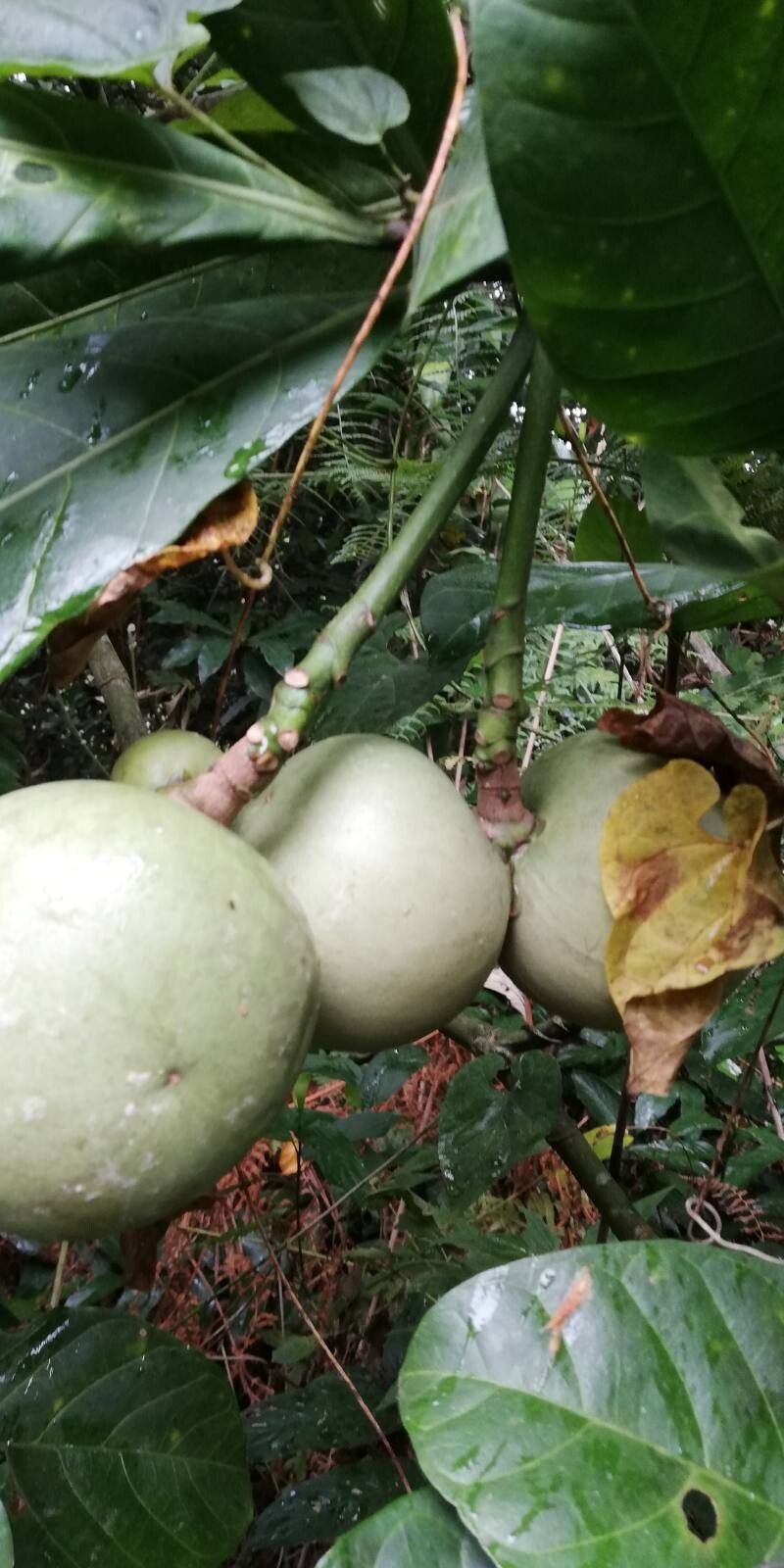
Unleashing the Beauty of Tabernaemontana Crassa: A Propagation Primer
The Tabernaemontana crassa, also known as the “Windmill Bush,” is a truly captivating plant. With its glossy, deep green leaves and fragrant, pinwheel-shaped blooms, it’s no wonder gardeners are eager to multiply their collection. Fortunately, propagating this tropical beauty isn’t as daunting as you might think. This guide will walk you through the two most effective techniques:
1. Propagating Tabernaemontana Crassa from Cuttings
Taking cuttings is the most common and arguably easiest method for propagating your Windmill Bush. Here’s a step-by-step breakdown:
- Timing is Key: The best time to take cuttings is during the growing season, ideally in spring or early summer when the plant is full of vigor.
- Choose the Right Cuttings: Look for healthy, non-flowering stems that are about 4-6 inches long. The stem should be relatively new growth, semi-hardwood that is flexible but not overly tender.
- Prepare the Cuttings: Using a sharp, sterilized knife or pruning shears, make a clean cut just below a leaf node (where the leaf joins the stem). Remove the leaves from the bottom third of the cutting.
- Encourage Rooting: While not essential, dipping the cut end in rooting hormone powder can significantly increase your success rate.
- Planting the Cuttings: Prepare small pots with a well-draining potting mix specifically blended for cuttings. Make a hole in the center and gently insert the cutting, burying the bottom node.
- Creating a Humid Environment: Moisture is crucial. Cover the pots with a clear plastic bag or place them in a propagator to maintain high humidity. This simulates a greenhouse effect and helps the cuttings retain moisture.
- Location, Location, Location: Place your cuttings in a warm, bright location out of direct sunlight.
- Patience is a Virtue: It can take anywhere from 6 to 8 weeks for cuttings to root. Gently tug on the cutting; if you feel resistance, roots are likely developing.
2. Propagating Tabernaemontana Crassa from Seeds
While propagating from seed is less common due to its unpredictability, it’s a rewarding experience. Here’s how:
- Seed Collection: Tabernaemontana crassa produces seed pods. Allow these pods to dry completely on the plant before collecting.
- Preparing the Seeds: Extract the seeds from the pods and allow them to air dry for a day or two.
- Sowing the Seeds: Use seed trays or small pots filled with a well-draining seed-starting mix. Sow the seeds about ¼-inch deep and lightly cover them with the mix.
- Water Carefully: Moisten the soil gently using a spray bottle to avoid dislodging the seeds.
- Warmth and Light: Place the seed trays in a warm, bright location, but out of direct sunlight. A heating mat can be beneficial, maintaining a consistent temperature around 70-75°F.
- Germination Time: Germination can be erratic and may take several weeks or even months. Continue to provide consistent moisture and be patient.
Additional Tips for Success:
- Soil Matters: Tabernaemontana crassa prefers well-draining soil. For both cuttings and seeds, choose a loose, airy mix that won’t become waterlogged.
- Water Wisely: Keep the soil consistently moist but not soggy. Overwatering is a common pitfall, so it’s better to err on the side of slightly drier.
- Fertilize Sparingly: Once your new plants are established, fertilize them lightly with a balanced fertilizer during the growing season.
With patience and these techniques, you can propagate your very own Tabernaemontana crassa, filling your garden with its intoxicating fragrance and captivating beauty.