
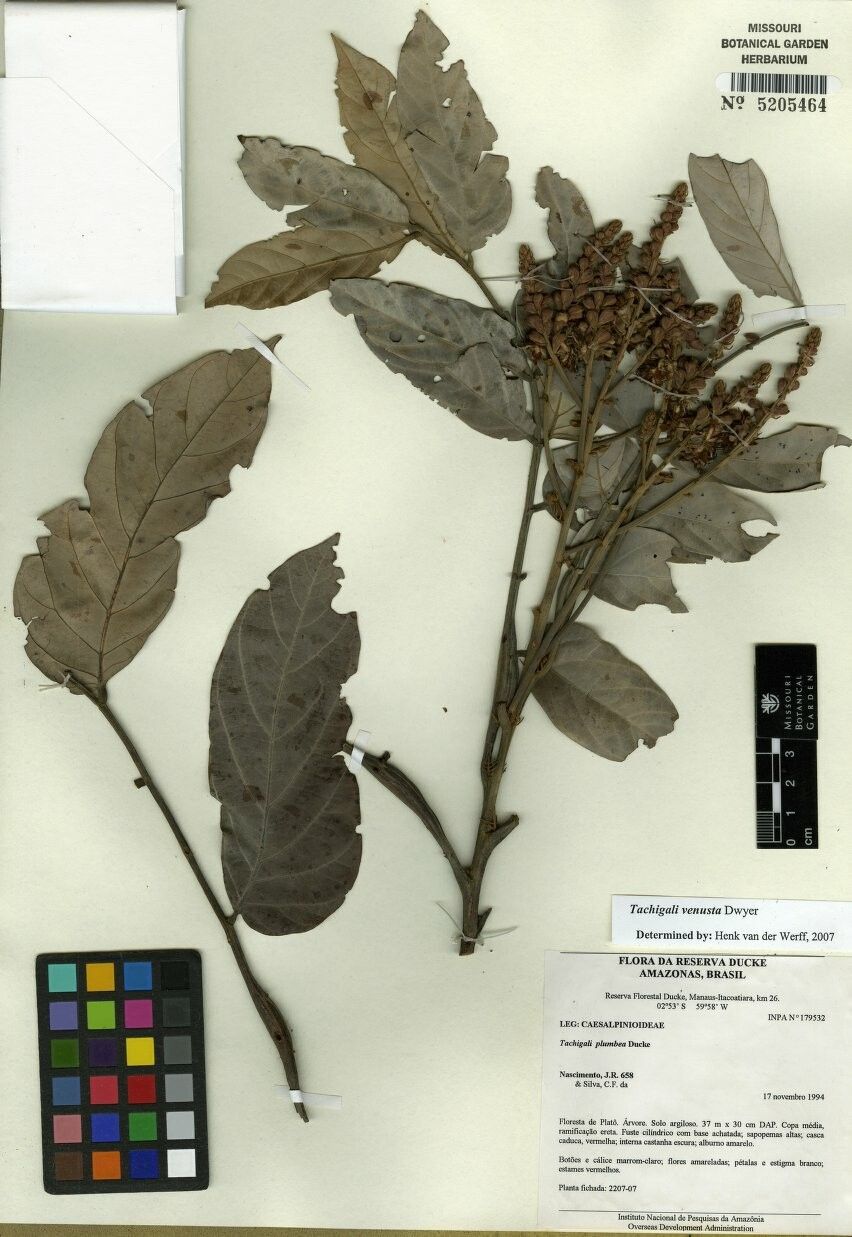
Unlocking the Secrets of Tachigali venusta: A Guide to Propagation
Tachigali venusta, also known as the “vain Tachigali” or “yellow flower Tachigali”, is a stunning tropical tree native to South America. This majestic species boasts vibrant yellow blossoms that cascade like waterfalls against a backdrop of lush green foliage. Its beauty, however, is often admired from afar, as propagating Tachigali venusta can be a rewarding, yet challenging, endeavor.
This guide will delve into the different propagation methods, providing insights and tips to help you cultivate this magnificent tree.
Seed Propagation: A Test of Patience
The most common method of propagating Tachigali venusta is through seeds. However, patience is key as this approach requires diligence and a touch of green thumb magic.
Here’s what you need to know:
Seed Sourcing: Sourcing viable seeds is the first hurdle. Fresh seeds directly from the pods offer the highest germination rates. Look for reputable suppliers or consider collecting seeds yourself if you have access to a mature tree.
Seed Preparation: Before sowing, scarify the seeds. This process involves gently nicking or sanding the tough outer coat to break dormancy and encourage water absorption.
Sowing the Seeds: Plant the scarified seeds about 1 inch deep in a well-draining seed-starting mix. Maintain a consistent moisture level without waterlogging the soil.
- Patience is Paramount: Germination can be erratic, ranging from a few weeks to several months. Providing a warm and humid environment will expedite the process. Consider using a seedling heat mat and humidity dome.
Vegetative Propagation: A Quicker Route, Perhaps
For those seeking quicker results, vegetative propagation, specifically through cuttings, presents an alternative. However, success rates can be inconsistent and demand specific conditions.
Exploring Cuttings:
Timing is Key: Take cuttings during the active growing season, ideally from healthy, semi-hardwood stems.
The Cutting Edge: Cut a 4-6 inch section below a leaf node, ensuring you have at least two sets of leaves on the cutting.
Hormone Power: Dip the cut end in rooting hormone to stimulate root development.
- Creating the Ideal Environment: Plant the treated cuttings in a well-draining rooting medium and maintain high humidity. A propagation box or a plastic bag placed over the pot can help create a humid microclimate.
Challenges and Considerations
Propagating Tachigali venusta, regardless of the method, demands patience and attention to detail. Be prepared for setbacks and don’t be disheartened if your initial attempts prove unsuccessful. Factors such as temperature, humidity, and even the specific tree from which seeds or cuttings are taken can significantly influence your success rate.
The Joys of Success
Successfully cultivating a Tachigali venusta from seed or cutting is a deeply rewarding experience. As you nurture your sapling into a thriving tree, you become part of a lineage that connects you to the rich biodiversity of the rainforest. With dedication and a sprinkle of luck, you can soon enjoy the captivating beauty of your very own Tachigali venusta, a testament to your patience and passion for the natural world.