
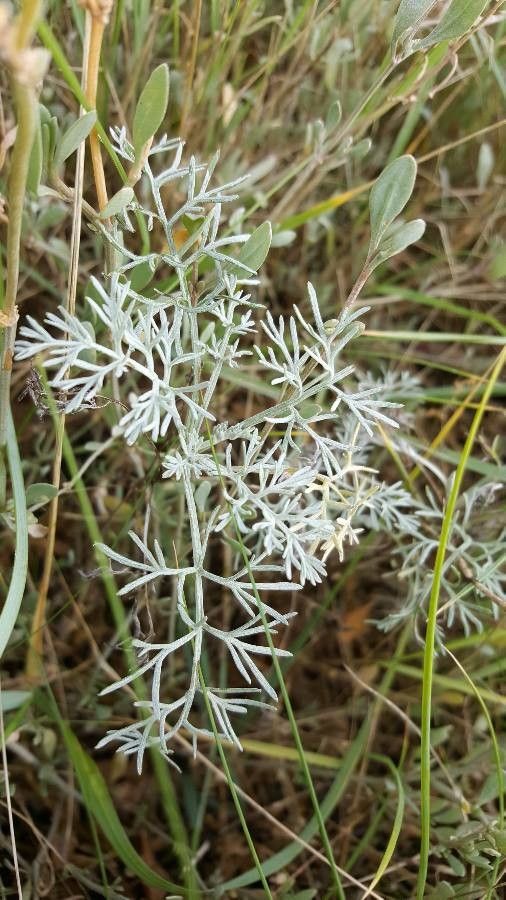
Taming the Sea Wormwood: Propagating Artemisia maritima
Artemisia maritima, commonly known as sea wormwood, is a hardy perennial with silvery-green foliage and a captivating aroma. Found gracing coastlines and salty marshes, this intriguing plant not only adds a touch of seaside charm to gardens but also boasts a rich history of medicinal and culinary uses. If you’re intrigued and want to welcome sea wormwood into your own outdoor space, propagation offers a rewarding journey. Let’s explore the different methods of propagating this fascinating plant:
1. Seed Starting:
- Timing is Key: Begin sowing Artemisia maritima seeds indoors approximately 6-8 weeks before the last expected frost in your region.
- Light Germination: Sea wormwood seeds require light to germinate. Scatter the seeds on the surface of a well-draining seed starting mix and press them in gently, but avoid burying them.
- Warmth and Moisture: Maintain a consistent temperature of around 65-70°F (18-21°C) and keep the seed starting mix consistently moist but not waterlogged.
- Patience is a Virtue: Germination can be somewhat erratic, with some seeds sprouting within a week or two, while others may take longer.
- Transplant Time: Once the seedlings develop a couple sets of true leaves, harden them off gradually before transplanting them outdoors after the danger of frost has passed.
2. Taking Cuttings:
- When and Where: Take softwood cuttings, which are new growth that’s begun to firm up slightly, from late spring to early summer.
- The Cutting Edge: Using clean, sharp pruners, take cuttings about 4-6 inches (10-15 cm) long, making the cut just below a leaf node.
- Prepare the Cuttings: Remove the lower leaves from the cutting, leaving only a few at the top. If desired, you can dip the cut end in rooting hormone to encourage faster root development.
- Potting Up: Plant the cuttings in a well-draining potting mix, burying the bottom node.
- Creating a Humid Environment: Cover the pot with a plastic bag or use a propagation dome to maintain humidity. Keep the cuttings in a bright location out of direct sunlight.
- Rooting Success: After several weeks, gently tug on the cuttings to check for resistance, which indicates rooting.
3. Division:
- Division Timing: Divide established Artemisia maritima plants in spring or early fall.
- Digging Deep: Carefully lift the entire plant from the ground using a garden fork, ensuring you dig a wide circle around the plant to avoid damaging the roots.
- Divide and Conquer: Divide the plant into smaller sections, making sure each section has a good amount of roots attached.
- Replanting: Replant the divisions at the same depth they were originally growing, water thoroughly, and mulch around the base.
Tips for Success:
- Well-Drained Soil is a Must: Artemisia maritima thrives in well-drained soil and dislikes sitting in waterlogged conditions, so ensure good drainage in your garden beds or containers.
- Sunny Disposition: Choose a location that receives full sun for at least 6 hours a day to promote healthy growth and vibrant foliage.
- Don’t Overdo the Watering: Water deeply but infrequently, allowing the soil to dry out slightly between waterings. Once established, sea wormwood is relatively drought-tolerant.
Propagating Artemisia maritima can be an enjoyable and rewarding experience. Whether you choose to sow seeds, take cuttings, or divide existing plants, you’ll soon be rewarded with the beauty and refreshing aroma of this captivating seaside plant gracing your own garden.