
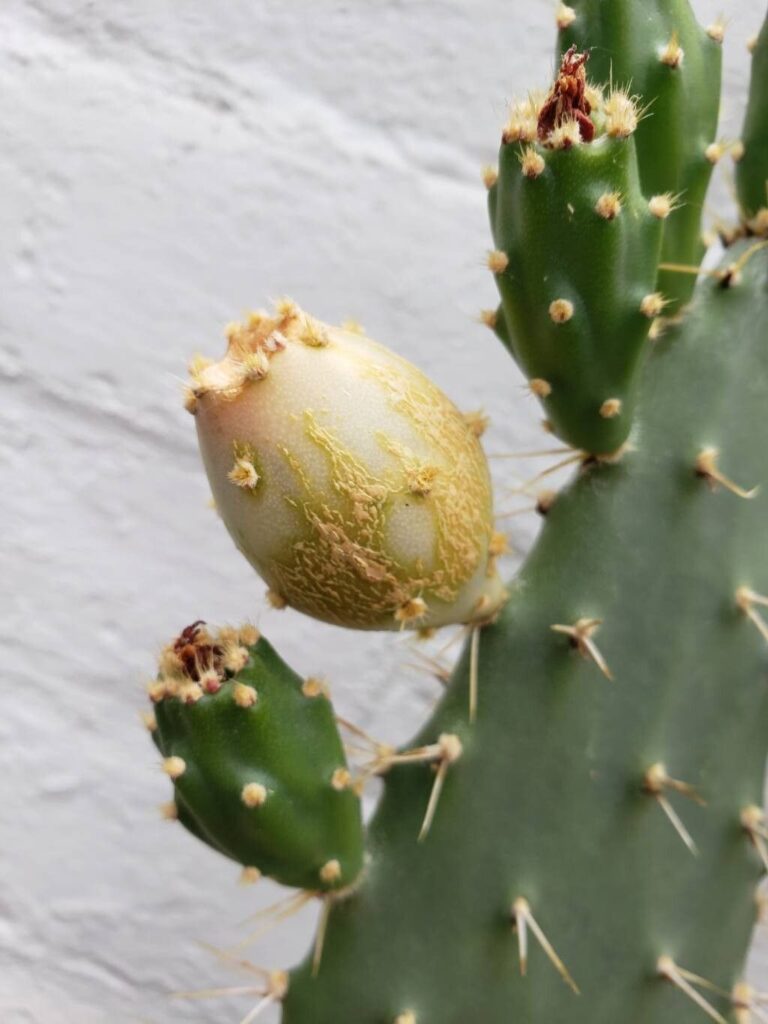
Unlocking the Secrets of Tacinga Werneri: A Guide to Propagation
The Tacinga werneri, with its striking, segmented stems and vibrant flowers, is a true treasure for cactus enthusiasts. This Brazilian beauty, however, remains relatively uncommon in cultivation, partly due to a lack of widespread knowledge about its propagation. Fear not, fellow plant lovers! This guide will demystify the process, equipping you with the knowledge to successfully propagate your very own Tacinga werneri.
Two Paths to Propagation: Seeds vs. Cuttings
Tacinga werneri can be propagated through two primary methods: seeds and cuttings. Each technique comes with its own set of advantages and challenges:
1. Starting from Seed: A Test of Patience
Propagating from seed offers the satisfaction of witnessing the entire life cycle of your Tacinga werneri. Be warned, though, this method demands a significant investment of time and patience.
- Seed Collection: Tacinga werneri produces fleshy fruits containing numerous small seeds. Allow the fruit to ripen fully before harvesting the seeds.
- Sowing the Seeds: Use a well-draining seed starting mix and sow the seeds shallowly. Maintain a warm and humid environment, ideally with a humidity dome or by covering the pot with plastic wrap.
- Germination and Beyond: Germination can take anywhere from a few weeks to several months. Once seedlings emerge, gradually acclimate them to drier conditions. Be prepared for a slow growth rate during the first year.
2. Fast-Tracking with Cuttings: A Quicker Route
For a speedier and generally more reliable method, cuttings are the way to go. This technique allows you to create a clone of the parent plant, preserving its unique characteristics.
- Taking the Cutting: Select a healthy, mature stem segment. Use a clean, sharp knife or shears to make a clean cut. Allow the cutting to callus over for a few days to a week in a dry, shaded location.
- Planting the Cutting: Dip the callused end in rooting hormone (optional but recommended) and plant the cutting in a well-draining potting mix, burying about a third of the cutting.
- Rooting and Growth: Keep the soil lightly moist but not soggy. Roots should develop within a few weeks. Once new growth appears, you’ll know your cutting has successfully rooted.
Key Tips for Success:
No matter which propagation method you choose, these tips will enhance your chances of success:
- Well-Draining Soil: Tacinga werneri is highly susceptible to root rot. A well-draining soil mix specifically designed for cacti and succulents is essential.
- Bright, Indirect Light: Provide your seedlings or cuttings with bright, indirect light. Avoid direct sunlight, especially during the hottest part of the day, as it can scorch the delicate plants.
- Watering with Care: Allow the soil to dry out completely between waterings. Overwatering is the number one enemy of Tacinga werneri.
- Patience is a Virtue: Propagation, especially from seed, is a waiting game. Be patient and don’t give up!
With the right knowledge and a little bit of TLC, you can successfully propagate Tacinga werneri and add this captivating cactus to your collection. From the delicate emergence of seedlings to the rewarding growth of cuttings, the journey of propagation is a testament to the resilience and beauty of the natural world.