
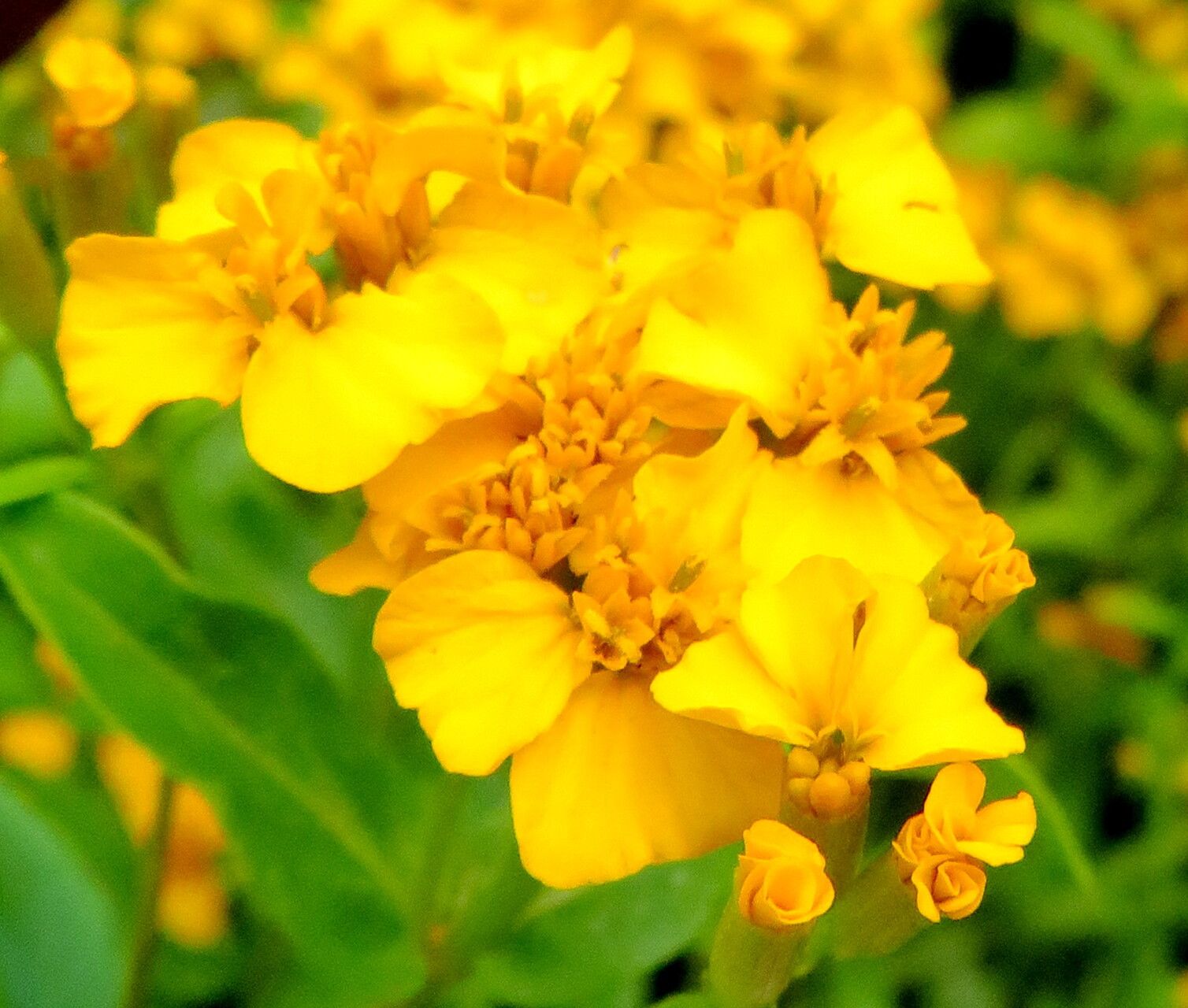
Beyond Marigolds: Multiplying the Magic of Mexican Mint Marigold
The vibrant orange and yellow hues of marigolds are a familiar sight in gardens worldwide. But have you ever encountered their captivating cousin, the Mexican mint marigold (Tagetes lucida)? This sun-loving perennial, also known as Texas tarragon or pericón, not only boasts beautiful golden flowers but also releases a delightful anise-like aroma when its leaves are crushed. If you’re eager to invite this multi-sensory experience into your garden, propagating Mexican mint marigold is a surprisingly simple endeavor.
Three Paths to Propagation:
Mexican mint marigold offers you three main avenues for propagation: seeds, cuttings, and division. Each method has its own advantages and best practices:
1. Sowing the Seeds of Success:
Starting Mexican mint marigold from seed is relatively straightforward. Here’s a step-by-step guide:
- Timing is Key: Sow seeds indoors 6-8 weeks before the last frost. This gives the seedlings a head start before being transplanted outdoors.
- Light and Warmth: Mexican mint marigold seeds need light to germinate. Sprinkle them on the surface of a well-draining seed starting mix and lightly press them in. A warm temperature of around 70-75°F (21-24°C) is ideal for germination.
- Patience is a Virtue: Germination can take anywhere from 10-21 days. Keep the soil consistently moist but not waterlogged during this period.
- Transplanting Time: Once the seedlings have developed a couple of sets of true leaves and all danger of frost has passed, harden them off by gradually acclimating them to outdoor conditions. Then, transplant them into your garden with a spacing of about 12-18 inches apart.
2. Cuttings: Cloning Your Aromatic Friend:
Propagating from cuttings is another excellent way to create more Mexican mint marigold plants:
- Choose Wisely: In the spring or early summer, select healthy, non-flowering stems for your cuttings. Cuttings should be about 4-6 inches long and taken just below a leaf node.
- Prepare the Cutting: Remove the lower leaves from the cutting, leaving only a couple of leaves at the top.
- Hormonal Boost (Optional): While not strictly necessary, dipping the cut end of the stem in rooting hormone can encourage faster and more successful rooting.
- Planting the Cutting: Plant the cutting in a well-draining potting mix, burying the node where you removed the leaves. Keep the soil consistently moist.
- Rooting and Growth: The cutting should develop roots in a few weeks. Once it shows signs of new growth, you can transplant it to a larger pot or directly into your garden.
3. Division: Sharing is Caring:
If you have an established Mexican mint marigold plant, division is a simple method for propagation:
- Digging In: In early spring or fall, carefully dig up the entire plant, ensuring you get as much of the root system as possible.
- Separation Anxiety (Not!): Gently divide the plant into smaller sections, ensuring each section has a good amount of roots and shoots.
- Replanting: Replant the divided sections at the same depth they were originally growing in, spacing them about 12-18 inches apart. Water thoroughly after planting.
More Than Just a Pretty Face:
Beyond its ornamental value, Mexican mint marigold offers a wealth of benefits:
- Culinary Delights: Its anise-flavored leaves are a wonderful substitute for French tarragon in dishes, particularly in egg and fish recipes.
- Pollinator Magnet: Its vibrant golden flowers attract a host of beneficial pollinators to your garden.
- Deer Resistant: Its strong scent makes it less appealing to deer and other browsing animals.
No matter your chosen method, propagating Mexican mint marigold is a rewarding experience. With a little effort, you’ll soon have a thriving patch of this versatile and beautiful plant, filling your garden with color, scent, and flavor.