
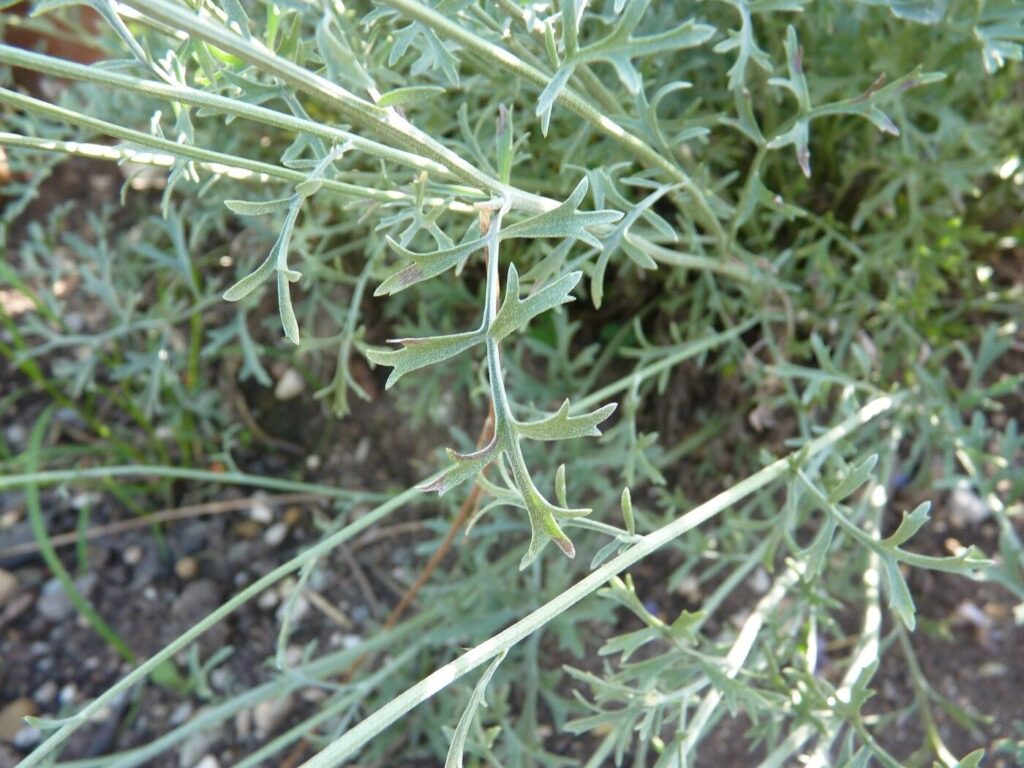
Unlocking the Secrets of Growing Pyrethrum: A Guide to Propagation
Pyrethrum (Tanacetum cinerariifolium), with its charming daisy-like flowers, is not just a pretty face in the garden. This powerhouse plant is the natural source of pyrethrin, a potent insecticide used extensively in organic gardening. But did you know that propagating your own pyrethrum is an achievable and rewarding endeavor? Let’s explore the different methods to invite more of this beneficial beauty into your space.
Seeds: A Journey of Patience and Reward
Starting pyrethrum from seed is the most common method, offering a sense of accomplishment as you nurture life from the very beginning.
-
Timing is Key: Sow your seeds indoors 6-8 weeks before the last expected frost. Pyrethrum seeds prefer cooler temperatures for germination.
-
Sowing the Seeds: Use a seed starting mix and sprinkle the seeds on the surface, pressing them lightly. Don’t bury them deep; light aids in germination.
-
Moisture and Warmth: Maintain a consistently moist environment, misting the soil regularly. A heat mat can be used to provide a consistent bottom heat of around 70°F (21°C).
-
Germination Patience: Be patient, as pyrethrum seeds can take anywhere from 10 to 28 days to germinate.
- Transplanting Outside: Once the seedlings have developed a couple of true leaves and all danger of frost has passed, harden them off gradually before transplanting them into your garden.
Division: Multiplying Your Floral Bounty
For established pyrethrum plants, division is a fantastic way to propagate and maintain their vigor. This method is best done in early spring or fall.
-
Digging Deep: Carefully dig up the entire clump you wish to divide, ensuring you get as much of the root system as possible.
-
Gentle Separation: Using your hands or a garden fork, gently separate the clump into smaller sections, each containing a good amount of roots and shoots.
- Replanting: Choose a sunny location with well-drained soil and replant your divisions, ensuring they are at the same depth they were originally growing. Water them in well and enjoy the fruits of your labor!
Cuttings: A Faster Track to Blooms
Taking basal cuttings is another viable way to propagate pyrethrum, especially if you’re aiming for quicker blooms.
-
Timing is Everything: Early spring, when new growth emerges, is the best time to take basal cuttings.
-
Taking the Cutting: Select a healthy, non-flowering stem and cut it cleanly at the base, just above a leaf node.
-
Preparing the Cutting: Remove the lower leaves, leaving only a few at the top. Dip the cut end in rooting hormone to encourage root development (optional but beneficial).
-
Planting the Cutting: Plant the cutting in a pot filled with a well-draining seed starting mix. Keep the soil consistently moist.
- Rooting and Growth: It will take several weeks for the cutting to develop roots. Once new growth appears, you’ll know your cutting has successfully rooted.
A Rewarding Endeavor:
No matter which propagation method you choose, you’ll be rewarded with more of these beautiful, beneficial blooms in your garden. So, roll up your sleeves, get your hands dirty, and propagate your way to a pyrethrum-filled paradise.