
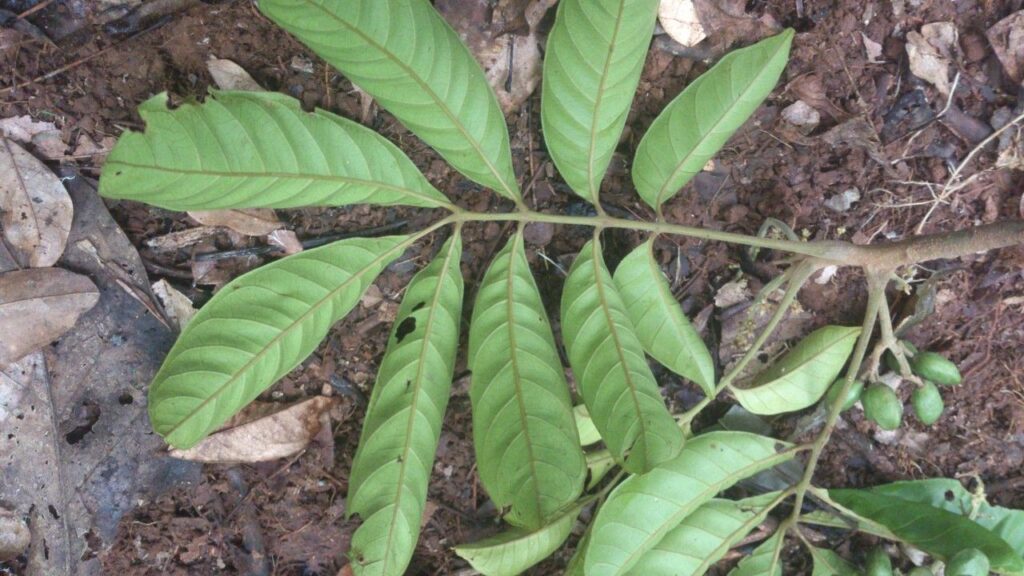
From Seed to Success: Propagating the Tapirira guianensis
The Tapirira guianensis, often called the “Wild Plum” or the “Guiana Walnut,” is a captivating tree renowned for its striking beauty and delicious edible fruits. But did you know that this tropical gem can be easily cultivated in your own backyard? By mastering the art of propagation, you can bring the magic of the Tapirira guianensis into your life.
A Journey From Seed to Sapling:
The most common and rewarding method of propagating Tapirira guianensis is through seed sowing. Here’s a step-by-step guide:
-
Gathering the Seeds: The first step involves collecting ripe fruits from mature trees. These fruits, characterized by their vibrant orange or red hues, typically contain a single seed encased in a fleshy pulp.
-
Cleaning & Preparation: To prepare the seeds for germination, gently remove the pulp and clean the seeds thoroughly. Soak them in water for 24 hours to soften the seed coat and enhance germination potential.
-
Sowing the Seeds: Choose a well-drained potting mix and sow the seeds directly into pots or seed trays. Cover the seeds with a thin layer of soil, ensuring they receive adequate moisture.
-
The Waiting Game: Germination typically takes 2-4 weeks, but can vary depending on environmental conditions. Maintain consistent moisture and provide indirect sunlight to promote healthy growth.
- Transplanting Time: Once the seedlings develop their first true leaves, they are ready for transplanting. Choose a sunny spot with well-draining soil and carefully transplant the seedlings into larger pots or directly into the ground.
A Look at Other Propagation Techniques:
Although seed propagation is the most common method, other techniques can be used to multiply your Tapirira guianensis.
-
Cuttings: This involves snipping a healthy stem segment and rooting it in a suitable medium. This method is more challenging than seed propagation but can be rewarding for experienced gardeners.
- Air Layering: This technique involves encouraging root formation on a branch without detaching it from the parent plant. This method offers a higher success rate than cuttings and requires some specialized tools and techniques.
Cultivation Tips & Considerations:
The Tapirira guianensis thrives in warm, humid environments with plenty of sunlight. Ensure your chosen location provides these conditions for optimal growth.
-
Fertilization: While not essential, occasional fertilization can boost growth. Use a balanced organic fertilizer to promote healthy foliage and fruit production.
- Pest and Disease Control: The Tapirira guianensis is generally resistant to pests and diseases. Routine inspection for common garden pests and timely intervention can help maintain a healthy plant.
Rewarding Rewards:
The Tapirira guianensis is not only a beautiful ornamental tree, but also a valuable source of delicious and nutritious fruit. The fruits, often referred to as “wild plums,” have a sweet and slightly tart flavor and are a popular ingredient in jams, juices, and other culinary delights.
A Legacy of Beauty & Versatility:
By embracing the art of propagation, you can embark on a fulfilling journey to cultivate your own Tapirira guianensis. This rewarding experience will not only enhance your garden’s beauty but also offer a taste of nature’s bounty. So, gather your seeds, follow these simple steps, and watch as your Tapirira guianensis flourishes, enriching your life with the beauty and deliciousness of this magnificent tree.