
Propagating Taraxacum aginnense: A Gardener’s Guide to the Alpine Dandelion
Introduction:
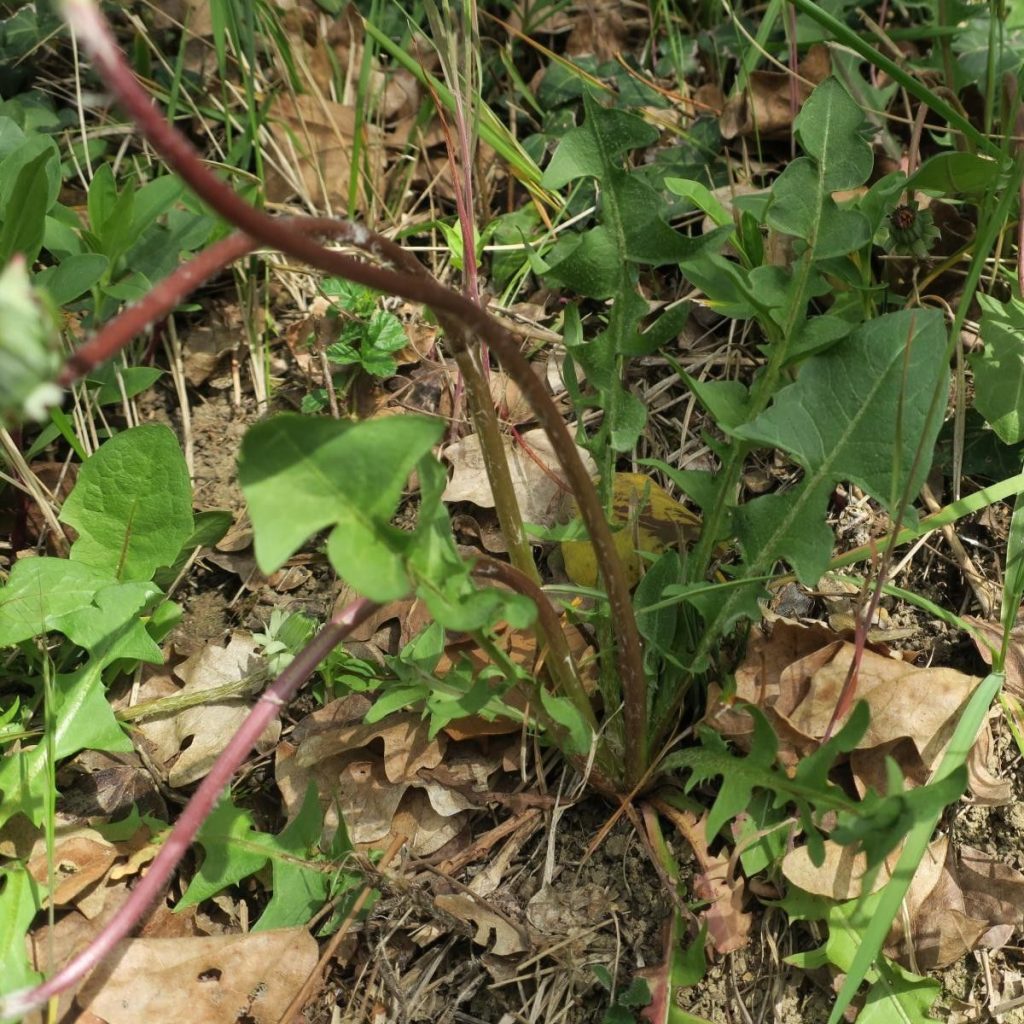
Taraxacum aginnense, commonly known as the Alpine Dandelion, is a captivating member of the Asteraceae family. This hardy perennial boasts deeply lobed, slightly silvery leaves and bright yellow flower heads, showcasing a subtle elegance often overlooked in its more common dandelion cousins. While not as widely cultivated as other dandelion species, its unique adaptations to alpine environments make it a desirable addition to rock gardens and other specialized landscapes. Its propagation, however, presents some unique challenges. Gardeners seeking to cultivate this resilient plant should be prepared for a degree of difficulty, as the success rate can vary significantly depending on the chosen propagation method.
Seed Germination:
Seed germination is a viable, yet challenging, method for propagating Taraxacum aginnense. The small seeds require specific conditions for successful germination. Challenges include a relatively low germination rate and the susceptibility of seedlings to damping-off diseases.
Practical Tips:
- Stratification: While not strictly mandatory, a period of cold stratification (4-6 weeks at temperatures near 4°C/39°F) can improve germination rates. Sow seeds in a moist, well-draining seed-starting mix and keep them consistently moist but not waterlogged.
- Sowing Techniques: Direct sowing outdoors in autumn, after the first frost, is possible but less reliable. Alternatively, sow seeds indoors in late winter to early spring under bright, indirect light. Gentle watering from below prevents damping-off.
- Rewards: Successful germination offers the reward of high genetic diversity within the propagated plants, providing a more robust and adaptable population. It is also the most cost-effective method for large-scale propagation.
Cuttings:
Currently, there are no known reliable methods for propagation of Taraxacum aginnense using cuttings. The plant’s physiology does not lend itself easily to this form of vegetative propagation.
Division:
Division is a viable method, although limited by the plant’s natural growth habit. Established, relatively mature plants can be carefully divided in early spring or autumn.
Challenges:
- Taraxacum aginnense has a taproot system, making division disruptive and potentially damaging to the plant. A sharp, clean implement is crucial to minimize trauma.
- Each division should have a healthy portion of roots and foliage for successful establishment.
Practical Tips:
Divide carefully, ensuring each section possesses ample root mass. Plant the divisions immediately after separation into well-prepared soil with good drainage. Water gently but thoroughly to promote root establishment.
Rewards: Division offers a quicker method of propagation than seed germination, yielding established plants sooner. It also maintains the desirable characteristics of the parent plant.
Tissue Culture:
Tissue culture presents a potential avenue for Taraxacum aginnense propagation, offering the possibility of mass production and disease-free plants. However, specific protocols for this species are not widely documented. It is an advanced and resource-intensive method requiring specialized knowledge and equipment.
Conclusion:
Propagating Taraxacum aginnense presents unique challenges across various methods. While seed germination offers genetic diversity but requires patience and precision, division has the advantage of speed but carries a greater risk of injuring the plant. Cuttings appear to be unviable presently, and tissue culture, though promising for mass production, remains largely unexplored for this specific species.
The unique satisfaction derived from successfully cultivating this alpine dandelion stems from overcoming the inherent difficulties. The rewards of witnessing these hardy plants thrive, whether from carefully nurtured seeds or expertly divided clumps, are a testament to the dedication and skill of the propagator. For aspiring cultivators, meticulous attention to detail, patience, and persistence are key qualities that will determine success with this fascinating plant. Remember to start with the healthiest parent plants possible in order to maximize your chances of success.