
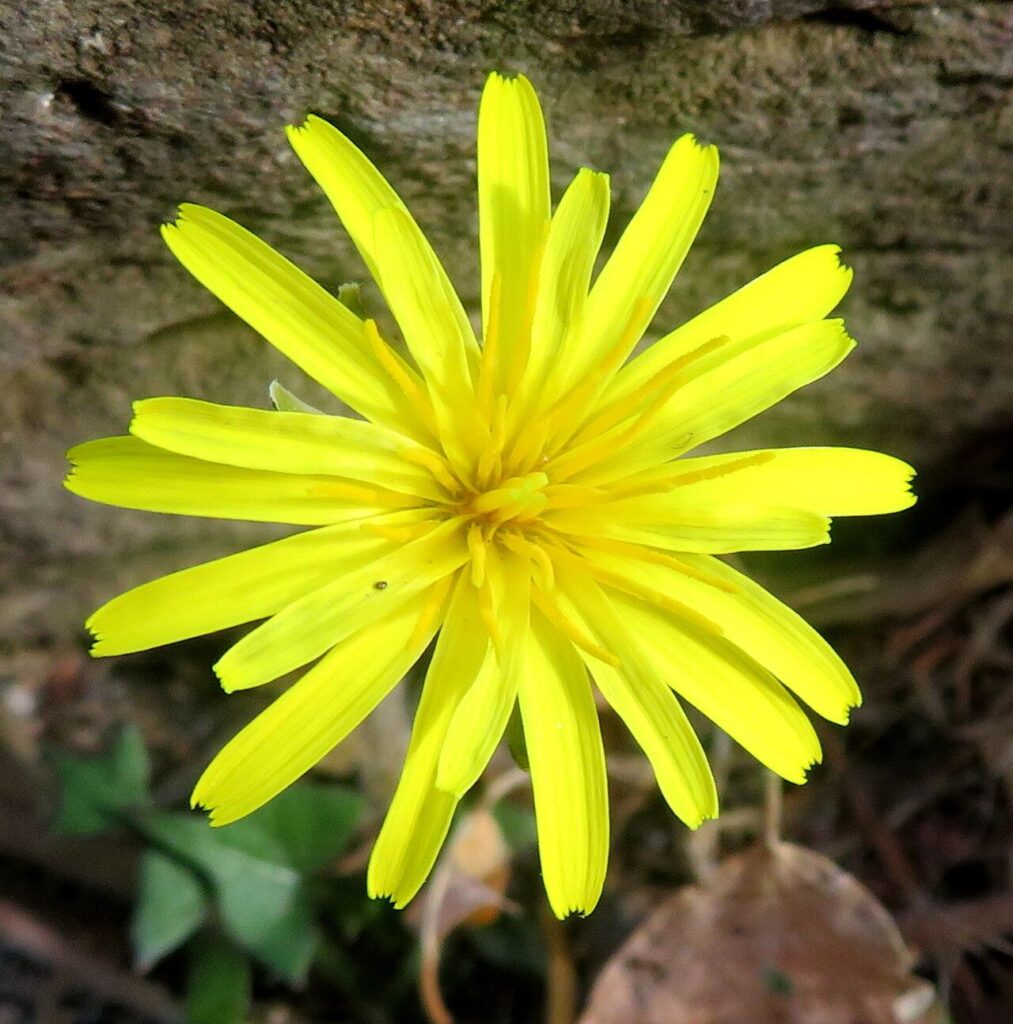
From Humble Dandelion to Thriving Garden: Propagating Taraxacum gracilens
You might know it better as the dandelion, a persistent weed in many lawns. But did you know this ubiquitous plant, Taraxacum gracilens, has much more to offer than just a spot on your “to-be-removed” list? It’s actually a surprisingly versatile plant with culinary and medicinal uses, and it’s incredibly easy to propagate, adding a dose of resilience and free food to your garden.
A Brief Introduction to the Dandelion’s Many Talents
While many perceive it as a pest, the dandelion boasts an impressive array of benefits. Its young leaves, known as “dandelion greens,” are packed with vitamins and minerals, offering a tasty and nutritious addition to salads and stir-fries. The bright yellow flowers are edible too, adding a delicate sweetness to recipes. And the roots can be roasted and used as a coffee substitute or brewed into a tea known for its purported diuretic properties.
The Art of Dandelion Propagation: A Beginner’s Guide
Propagating Taraxacum gracilens is incredibly simple and can be achieved through two main methods: seeds and division.
1. Seed Propagation – From Seed to Seedling in a Few Steps
- Collecting the Seeds: Harvest dandelion seeds after they have matured and formed the familiar fluffy white “clock” (the seed head). Gently blow on the “clock” to collect the seeds.
- Seed Starting: Plant the seeds directly into well-prepared soil outdoors in a sunny spot. Dandelions thrive in full sun and well-drained soil.
- Watering and Maintaining: Keep the soil moist but not soggy. After a few weeks, you’ll start to see tiny dandelion seedlings emerge.
2. Division – A Quick and Easy Way to Multiply your Plants
- Choosing the Right Time: The best time to divide dandelions is in the early spring or fall.
- The Division Process: Gently dig up the established dandelion plant and use a clean knife or trowel to separate it into smaller sections. Each section should have healthy roots and leaves.
- Replanting: Replant the divisions in freshly prepared soil, ensuring the roots are well covered. Water thoroughly after planting.
Tips for Success
- Soil Selection: Dandelions prefer light, well-drained soil, but can tolerate various conditions.
- Sunlight: Full sun is ideal, but they can tolerate some shade.
- Watering: Ensure consistent moisture, but avoid overwatering, as it can lead to root rot.
- Pest and Disease Control: Dandelions are generally resistant to pests and diseases. However, keep an eye out for aphids or slugs.
Conclusion: Embracing the Dandelion’s Resilience and Versatility
Whether you choose to cultivate Taraxacum gracilens for its culinary or medicinal uses, or simply want to enjoy its bright yellow blooms, its ease of propagation makes it a valuable asset to any garden. By embracing the dandelion’s resilience and versatility, you can experience the joy of growing your own food and medicine, all while adding a touch of nature’s magic to your outdoor space.