
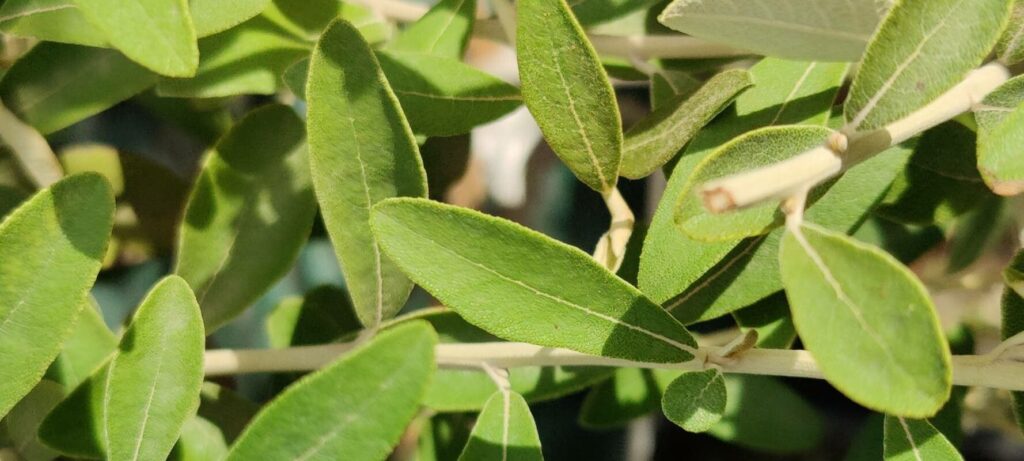
From Snipping to Thriving: Propagating the Aromatic Tarchonanthus Camphoratus
The Tarchonanthus camphoratus, commonly known as the “camphor bush,” is a fascinating and fragrant plant native to South Africa. Its silvery-green leaves release a distinctive camphor scent when crushed, making it a delightful addition to any garden. But how do you get your hands on this beautiful and aromatic plant? Fortunately, propagating Tarchonanthus camphoratus is a relatively straightforward process that’s sure to reward you with lush, fragrant foliage.
The Power of Cuttings
The most common and effective method for propagating Tarchonanthus camphoratus is through stem cuttings. This technique involves taking a section of healthy stem from a mature plant and encouraging it to develop its own root system. Here’s a step-by-step guide:
- Timing is Key: The best time to take cuttings is during the spring or summer when the plant is actively growing.
- Choosing the Right Cuttings: Select semi-hardwood stems, meaning they’re neither too soft nor too woody. Look for stems that are about 4-6 inches long and free of any disease or damage.
- Prepare the Cuttings: Using a sharp knife or pruning shears, make a clean cut just below a node (the point where a leaf grows). Remove any leaves from the bottom 2 inches of the cutting to avoid potential rot.
- Root Hormone Boost: Dip the cut end of the cutting into a rooting hormone powder or solution to stimulate root growth.
- Planting the Cuttings: Fill a pot with a well-draining potting mix. Make a small hole in the mix for each cutting, and insert the cut end into the hole. Firmly support each cutting by gently tamping the soil around it.
- Creating the Ideal Environment: Mist the cuttings lightly with water and cover the pot with a clear plastic bag or dome to create a humid environment. Place the pot in a bright location, but avoid direct sunlight that could scorch the delicate cuttings.
Patience is a Virtue
Remember that root development takes time. Keep the soil lightly moist, and be patient! You can check for root growth by gently tugging on the cutting – if it offers resistance, it means roots are forming. After a few weeks, the cuttings should start to develop new growth, indicating successful rooting.
Beyond Cuttings: Other Options
While cuttings are the most popular method, you can also propagate Tarchonanthus camphoratus through:
- Seed Propagation: Though less common, seeds can be sown directly in the ground or in a seed tray. This process can be more time-consuming and less reliable than using cuttings, but it is an option for those interested in starting from scratch.
- Air Layering: This technique involves removing a section of bark from a stem and wrapping it with damp moss to encourage root growth. Air layering can be successful but is a more advanced propagation method that requires more care.
Enjoy Your Camphor Bush Collection
Once your cuttings have successfully rooted, they can be transplanted into individual pots or directly into your garden. This fragrant plant is drought-tolerant and thrives in well-drained soil, making it a low-maintenance addition to your outdoor sanctuary. With its distinctive scent and silvery foliage, the Tarchonanthus camphoratus is sure to bring a touch of South African charm to your garden.
So, don’t be afraid to get your hands dirty – propagation is a rewarding experience that lets you enjoy the beauty of this fragrant plant for years to come.