
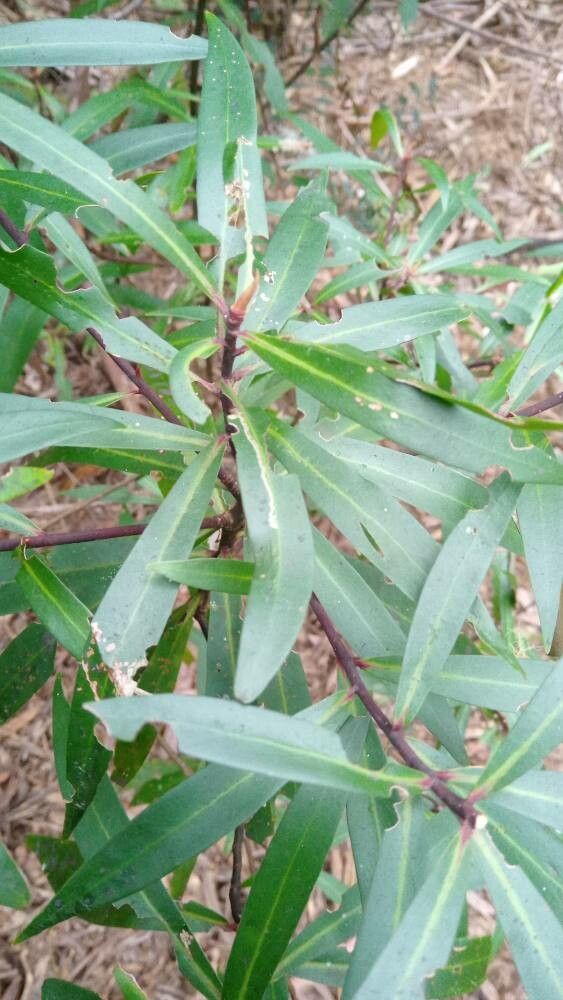
Propagating Mountain Pepper: Unveiling the Secrets of Tasmannia stipitata
Tasmannia stipitata, commonly known as Mountain Pepper, is a prized Australian native shrub valued for its aromatic foliage and spicy berries. Its popularity among gardeners stems from its adaptability, attractive form, and the unique culinary uses of its peppercorns. However, successfully propagating this shrub presents unique challenges, making it a rewarding endeavor for experienced plant enthusiasts. The unique aspects of its propagation are largely linked to its slow growth and reported difficulties with seed germination.
Seed Germination:
Currently, there are no known reliable methods for seed germination propagation of Tasmannia stipitata. While seeds may be produced, their germination rate is extremely low, even under optimal conditions. Extensive research involving various stratification techniques (both cold and warm) and different sowing media has yet to yield consistent success. The potential rewards – genetic diversity and the possibility of large-scale propagation – make seed germination a highly desirable method, but further research is crucial to overcome the significant challenges associated with it.
Cuttings:
Propagating Mountain Pepper from cuttings offers a more reliable method than seed germination. However, it’s still not without its difficulties.
Challenges: The woody nature of Tasmannia stipitata makes it challenging to root cuttings. Success rates are typically low unless specific techniques are followed meticulously.
Tips: Semi-hardwood cuttings taken in late spring or early summer, treated with rooting hormone, and placed in a humid propagation environment (e.g., a heated propagator with bottom heat and high humidity) are recommended. Selecting cuttings from healthy, vigorous growth is crucial. Use a well-draining propagating mix.
Rewards: Higher success rates compared to seed propagation allow for the efficient multiplication of desirable cultivars.
Division:
Division of established Tasmannia stipitata plants is possible but limited.
Challenges: Mountain Pepper doesn’t readily produce numerous stems suitable for division. Care must be taken to avoid damaging the root system, potentially leading to the death of both the parent plant and the divided sections. Furthermore, the plant’s slow growth means fewer opportunities for division.
Tips: Division should only be attempted on mature plants with well-established root systems. Sharp, clean tools are essential to minimize damage. Plant the divisions immediately after separation in suitable, well-prepared soil.
Rewards: Division provides a relatively quick method for creating new plants from existing ones, preserving desirable genetic characteristics.
Tissue Culture:
Tissue culture offers the potential for mass propagation of Tasmannia stipitata.
Challenges: Establishing a reliable tissue culture protocol requires specialized knowledge, equipment, and a sterile environment, which can be expensive and time-consuming. The ideal culture media and growth regulators must be determined through experimentation.
Tips: Consult research papers on tissue culture of related species to guide initial experiments. Aseptic techniques are paramount to prevent contamination.
Rewards: Tissue culture allows for rapid multiplication of desirable genotypes and provides a pathway for disease-free plant production on a large scale.
Conclusion:
Propagating Tasmannia stipitata presents significant challenges across all methods explored. While cuttings offer the most reliable approach for the average gardener, tissue culture provides the greatest potential for large-scale propagation. Seed germination remains highly problematic and requires further research. The inherent difficulties involved, however, only heighten the sense of accomplishment when successful. The reward of nurturing a tiny cutting into a fragrant, berry-producing shrub is a testament to patience and perseverance. Aspiring propagators are encouraged to experiment with cuttings as a starting point, employing the suggested techniques and remaining patient for results. The unique flavour and hardy nature of Mountain Pepper make the effort undeniably worthwhile.