
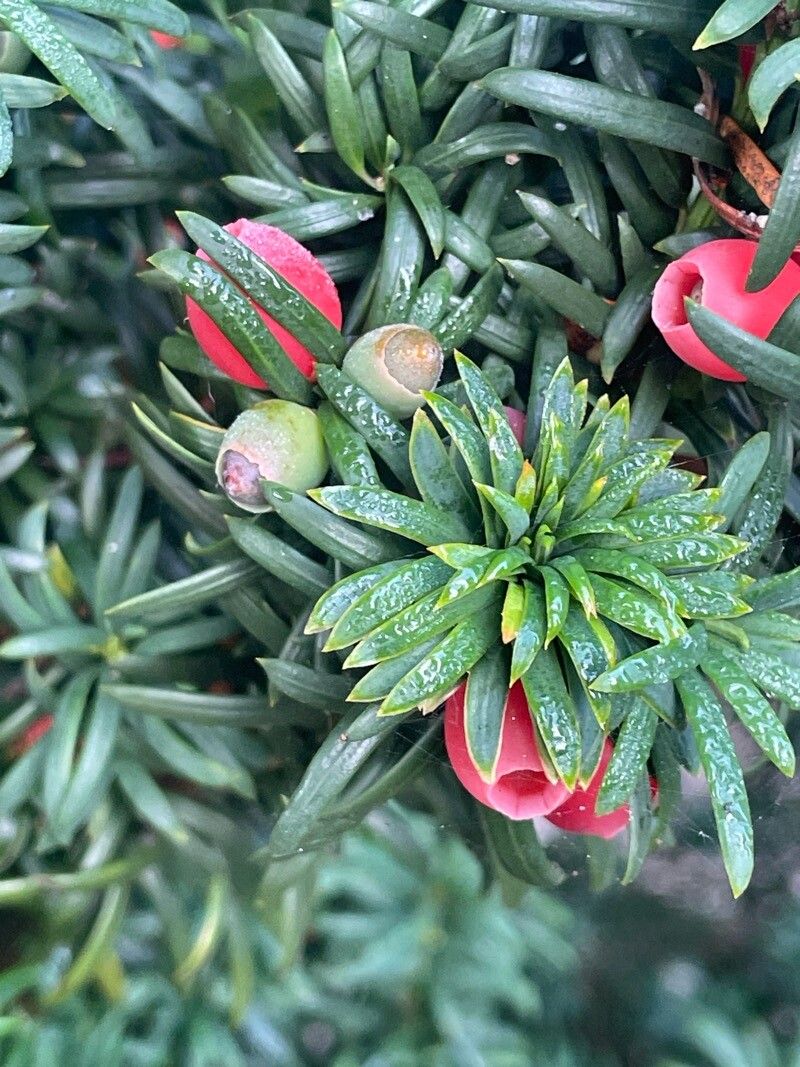
Propagating Taxus cuspidata: Cultivating the Japanese Yew
Introduction:
Taxus cuspidata, commonly known as the Japanese yew, is a prized evergreen conifer renowned for its dense, dark green foliage, graceful form, and tolerance of shade and cold climates. Its popularity among gardeners stems from its versatility in landscaping, suitability for hedging, and its ability to thrive in diverse conditions. However, propagating this elegant plant can present unique challenges due to its slow growth and specific requirements for successful establishment. While several methods exist, each presents its own set of obstacles and rewards.
Seed Germination:
Currently, there are no known reliable methods for seed germination propagation of Taxus cuspidata. While seeds can be collected and sown, germination rates are notoriously low and unpredictable even with pre-treatment. The long dormancy period and the susceptibility of seedlings to damping-off diseases render seed propagation impractical for most gardeners.
Cuttings:
Cuttings represent a more readily successful method for propagating Taxus cuspidata. Hardwood cuttings taken in late autumn or early winter offer the best chance of success.
Challenges: Root formation is slow and requires consistent moisture and warmth, while maintaining a healthy balance to prevent rot.
Practical Tips: Use semi-hardwood cuttings (taken from current year’s growth) in late summer or early autumn. Dip the base of each cutting in a rooting hormone to enhance its chances. Plant the cuttings in a well-draining propagation mix (e.g., a blend of perlite, vermiculite, and peat moss), maintain high humidity (e.g., using a humidity dome), and provide bottom heat for optimal rooting.
Rewards: Cuttings retain the parent plant’s characteristics, ensuring true-to-type propagation. This method is relatively efficient for smaller-scale propagation compared to seed germination.
Division:
Division is feasible for established, larger specimens of Taxus cuspidata.
Challenges: This method is limited by the size and age of the plant. Improper division can damage the plant and reduce its chances of survival. Established root systems can be difficult to separate without causing significant injury.
Practical Tips: Division should ideally be done in early spring or autumn. Ensure each division has a healthy portion of roots and sufficient foliage. Plant the divisions in well-prepared soil and water thoroughly.
Rewards: Division allows for the quick multiplication of desirable cultivars. It can provide a larger plant instantly rather than starting with a cutting.
Tissue Culture:
Tissue culture is a highly specialized technique that offers a potential avenue for large-scale propagation of Taxus cuspidata while maintaining genetic uniformity.
Challenges: This method requires specialized equipment, sterile conditions, and expertise in plant tissue culture techniques. It is expensive and time-consuming, making it unsuitable for most home gardeners.
Practical Tips: This method is generally undertaken by commercial nurseries. The use of specific plant growth regulators and careful control of environmental conditions are crucial for success.
Rewards: Tissue culture allows for rapid multiplication of plant material and the propagation of disease-free plants. It is suitable for the mass production of superior cultivars.
Conclusion:
Propagating Taxus cuspidata presents varying levels of difficulty depending on the chosen method. While seed germination is unreliable, cuttings offer a relatively accessible approach for achieving success at home. Division is suitable for larger established plants, while tissue culture remains a specialized commercial method. Each method offers its own unique benefits regarding scale and the conservation of desired traits. The satisfaction of successfully cultivating this resilient conifer from a cutting, witnessing its slow but steady growth, and ultimately enjoying its beauty in your garden makes the effort truly rewarding. For aspiring propagators, remember patience, attention to detail, and careful adherence to proper techniques are key to success in cultivating this majestic plant.