
Unlocking the Secrets of Swamp Fern Propagation: A Guide to Multiplying Your Telmatoblechnum indicum
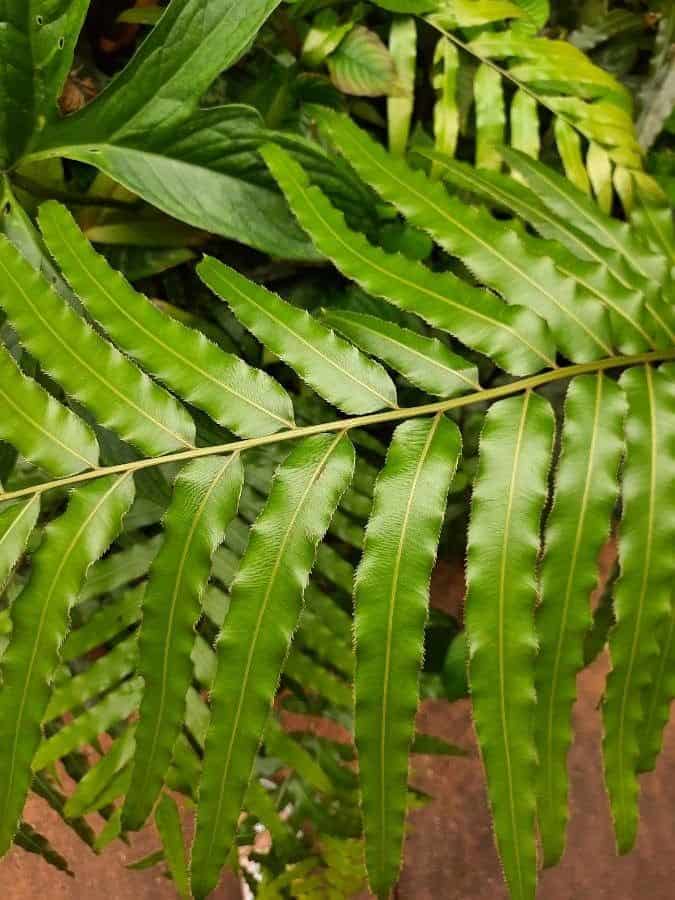
The lush, vibrant fronds of Telmatoblechnum indicum, commonly known as the swamp fern, can add a touch of prehistoric beauty to any garden or indoor space. This resilient fern, native to Southeast Asia and Australia, thrives in moist environments and can tolerate a range of light conditions. But did you know that propagating this unique fern is easier than you might think? Let’s delve into the fascinating world of Telmatoblechnum indicum propagation and discover the techniques to multiply your collection.
Understanding the Basics
Before we jump into the methods, it’s crucial to understand the life cycle of Telmatoblechnum indicum. Unlike flowering plants that reproduce from seeds, ferns like Telmatoblechnum indicum reproduce through spores. These tiny, dust-like particles are produced on the undersides of mature fronds in structures called sporangia.
Method 1: Spore Propagation
Propagating Telmatoblechnum indicum from spores requires patience, but it’s a rewarding experience that allows you to witness the magical transformation from spore to frond. Here’s how you can do it:
- Spore Collection: Look for mature fronds with dark, often brown, sporangia clusters. Carefully cut a frond and place it in a paper bag to dry for a few days. The spores will be released within the bag.
- Spore Sowing: Prepare a tray or pot with a well-draining, sterile potting mix. Moisten the mix thoroughly. Sprinkle the collected spores evenly over the surface, but do not bury them.
- Creating the Ideal Environment: Cover the tray with a clear plastic wrap or humidity dome to maintain moisture and warmth. Place the tray in a shaded area with indirect light.
- Germination and Growth: Be patient! Spore germination can take anywhere from a few weeks to several months. Once the spores germinate, tiny, heart-shaped structures called prothalli will appear. These will eventually develop into recognizable fernlets.
- Transplanting: Once the fernlets are large enough to handle, carefully separate them and transplant them into individual pots.
Method 2: Division
For a quicker and less involved method, division is a great option. This method takes advantage of the plant’s natural ability to form clumps.
- Choosing the Right Time: Spring or early summer, when the plant is actively growing, is the ideal time for division.
- Dividing the Clump: Gently remove the Telmatoblechnum indicum from its pot. Using a clean, sharp knife or your hands, carefully divide the clump into smaller sections, ensuring each section has a healthy amount of roots and fronds.
- Potting the Divisions: Plant each division in a well-draining potting mix, water thoroughly, and place in a humid environment with indirect light until established.
Caring for Your New Ferns
Telmatoblechnum indicum thrives in consistently moist soil. Water regularly, ensuring the soil never completely dries out. They prefer indirect light and slightly acidic soil.
Propagating Telmatoblechnum indicum is a fulfilling journey that connects you to the ancient lineage of these resilient plants. Whether you choose the patient path of spore propagation or the quicker approach of division, you’ll be rewarded with a flourishing collection of these stunning ferns.