
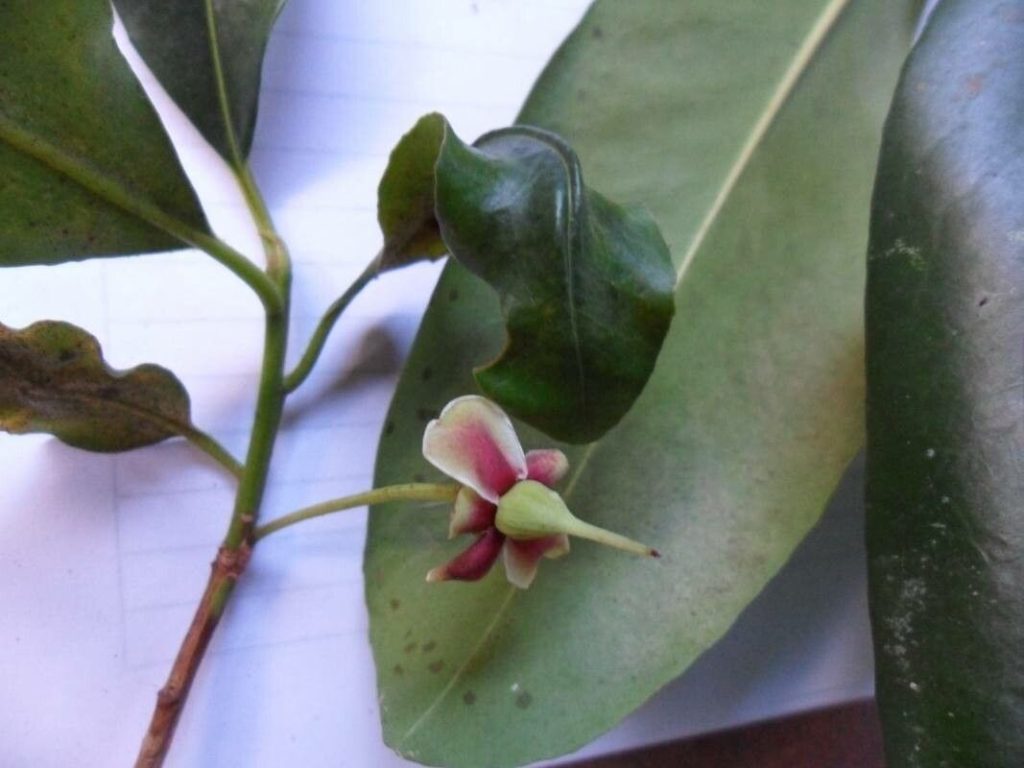
Propagating the Rusty Black Olive: Unveiling the Secrets of Ternstroemia carnosa
Ternstroemia carnosa, commonly known as the Rusty Black Olive, is a captivating evergreen shrub or small tree prized for its glossy, dark green foliage and clusters of small, creamy-white flowers followed by dark berries. Its relatively compact size and tolerance of partial shade make it a popular choice amongst gardeners, particularly for landscaping and creating intimate garden spaces. However, propagating Ternstroemia carnosa presents unique challenges, making successful cultivation a rewarding experience.
Seed Germination:
Currently, there are no known reliable methods for seed germination propagation of Ternstroemia carnosa. While seeds are produced, their germination rate is extremely low, and success has not been consistently reported in the horticultural literature. Further research is needed to explore potential pre-treatment methods, such as scarification or stratification, that might improve germination rates.
Cuttings:
Cuttings offer a more reliable method for propagating Ternstroemia carnosa.
-
Challenges: Rooting cuttings can be slow and inconsistent. The success rate depends heavily on timing (semi-hardwood cuttings taken in late summer/early autumn are generally preferred), the use of rooting hormone, and maintaining appropriate humidity and temperature.
-
Practical Tips: Take 4-6 inch cuttings from non-flowering stems, removing lower leaves to prevent rot. Dip the cut end in a rooting hormone powder before planting in a well-draining propagation mix (e.g., perlite and peat moss). Maintain high humidity using a propagator or plastic bag, ensuring adequate ventilation to prevent fungal diseases. Consistent bottom heat (around 70-75°F) will enhance root development.
- Rewards: Cuttings offer a faster method of propagation compared to other methods and guarantee the preservation of the parent plant’s genetic characteristics. This is particularly important for preserving desirable cultivars or rare varieties.
Division:
Division is generally not a practical method for propagating Ternstroemia carnosa. This species doesn’t readily form suckers or clumps suitable for division. Attempts to divide established plants risk damaging the root system and harming the parent plant.
Tissue Culture:
Tissue culture represents a potential avenue for large-scale propagation of Ternstroemia carnosa.
-
Challenges: Establishing sterile cultures and developing optimal media formulations for shoot multiplication and root induction can be complex and require specialized laboratory equipment and expertise. This method necessitates a significant initial investment.
-
Practical Tips: This method requires aseptic techniques, appropriate media containing plant growth regulators (auxins and cytokinins), and careful monitoring for contamination. Experienced tissue culture technicians are essential for success.
- Rewards: Tissue culture offers the possibility of rapid and mass propagation, enabling the production of large numbers of genetically identical plants. This is crucial for commercial propagation and conservation efforts.
Conclusion:
Propagating Ternstroemia carnosa presents a unique set of challenges, but the rewards for success are considerable. While seed germination remains unreliable, cuttings provide a viable, albeit somewhat challenging, option for home gardeners. Tissue culture offers a more advanced and potentially more efficient path, particularly for commercial applications. Each method presents a different level of complexity, requiring patience, attention to detail, and a solid understanding of propagation principles. The satisfaction derived from nurturing a tiny cutting into a mature Rusty Black Olive, however, makes the effort undeniably worthwhile. For aspiring propagators, perseverance and methodical attention to detail are key to finally enjoying the beauty of this captivating plant in your garden.