
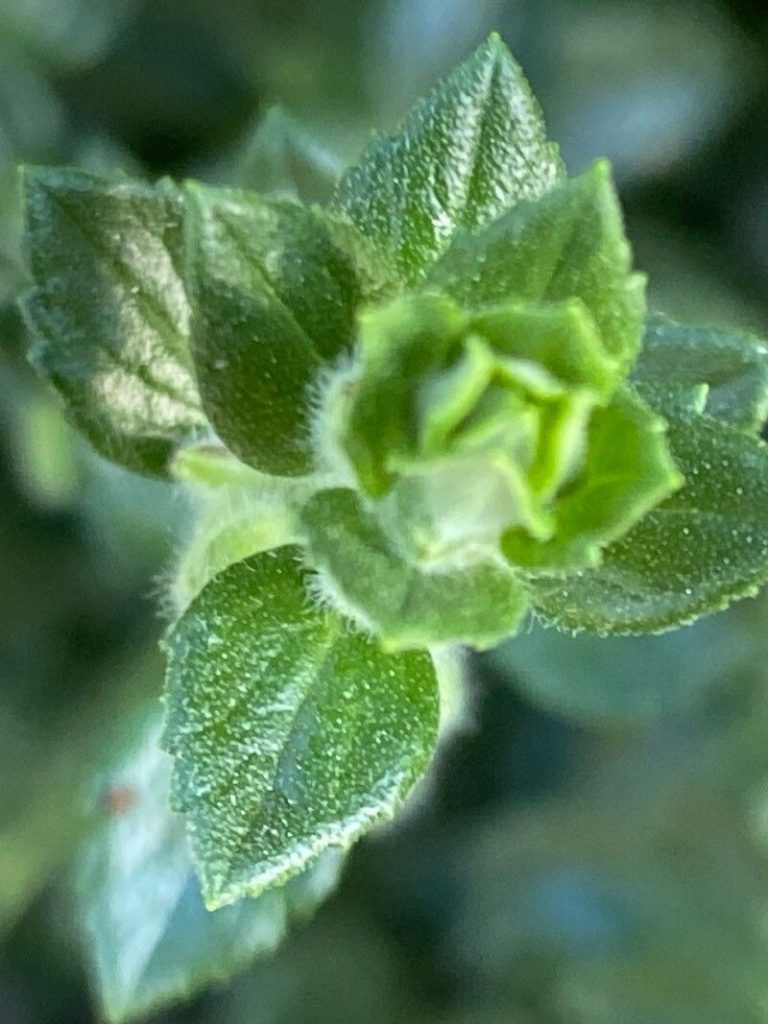
Propagating Teucrium × lucidrys: A Gardener’s Guide to the ‘Lemon Germander’
Introduction:
Teucrium × lucidrys, commonly known as Lemon Germander, is a popular hybrid shrub prized for its fragrant, lemon-scented foliage and attractive, lavender-blue flowers. Its compact habit and drought tolerance make it a valuable addition to rock gardens, borders, and containers. While readily available commercially, propagating Lemon Germander can be a rewarding experience for the dedicated gardener, albeit one with its own set of challenges. Its popularity stems not only from its aesthetic appeal but also its relatively low maintenance requirements once established. The unique challenges of propagating this hybrid, however, make successful propagation a source of considerable satisfaction.
Seed Germination:
Currently, there are no known reliable methods for seed germination propagation of Teucrium × lucidrys. This is likely due to its hybrid nature, which often results in sterility or drastically reduced seed viability.
Cuttings:
Challenges: Taking and rooting cuttings of Teucrium × lucidrys can be somewhat challenging. The success rate is moderate, and it requires careful attention to detail.
Practical Tips: Semi-hardwood cuttings taken in late summer (August-September) generally yield the best results. Cuttings should be 4-6 inches long, taken from non-flowering stems. Remove lower leaves, dip the cut end in rooting hormone, and plant in a well-draining propagating mix (e.g., a mix of perlite and peat moss). Maintain high humidity (using a humidity dome or plastic bag) and consistent moisture, but avoid overwatering. Rooting typically takes 4-6 weeks.
Rewards: Cuttings offer a relatively straightforward method of cloning the parent plant, ensuring that the desirable characteristics of the specific cultivar are replicated. It’s also a relatively efficient method for producing multiple plants.
Division:
Challenges: Division is best suited for established, larger plants. It can be slightly more disruptive to the parent plant than cuttings, potentially causing temporary stress.
Practical Tips: The best time to divide Lemon Germander is in spring or autumn, when the plant is actively growing or entering dormancy respectively. Carefully dig up the entire plant, gently separate it into smaller clumps using a sharp, clean knife, ensuring each division has healthy roots and shoots. Replant the divisions immediately, ensuring that they are properly spaced and watered.
Rewards: Division provides a quick method of propagation for larger specimens and minimizes the time spent waiting for new plants to establish.
Tissue Culture:
Challenges: Tissue culture propagation is a technically demanding process that requires specialized equipment, sterile conditions, and a thorough understanding of plant tissue culture techniques. It is not a practical method for the average home gardener.
Practical Tips: This method requires a controlled laboratory setting, specialized media, and expertise in sterile techniques. The success of tissue culture depends on precise control of temperature, light, and humidity, along with careful selection and preparation of plant explants.
Rewards: Tissue culture offers the potential for mass propagation of genetically identical plants and allows for the elimination of pathogens. However, its high initial investment and technical demands limit its suitability for most home gardeners.
Conclusion:
Propagating Teucrium × lucidrys presents distinct challenges across all methods. While seed germination currently isn’t feasible, cuttings offer a reasonably accessible and reliable method for the home gardener, followed by division for established plants. Tissue culture remains a specialized option best left to commercial growers. The rewards, however, are undeniable. The satisfaction of successfully propagating this beautiful and fragrant shrub, knowing you’ve overcome these challenges, is a testament to dedication and horticultural skill. For aspiring propagators, don’t be discouraged by early setbacks. Careful preparation, attention to detail, and patience are key to success. Start with cuttings, master the techniques, and enjoy the fruits (or rather, the fragrant foliage) of your labor.