
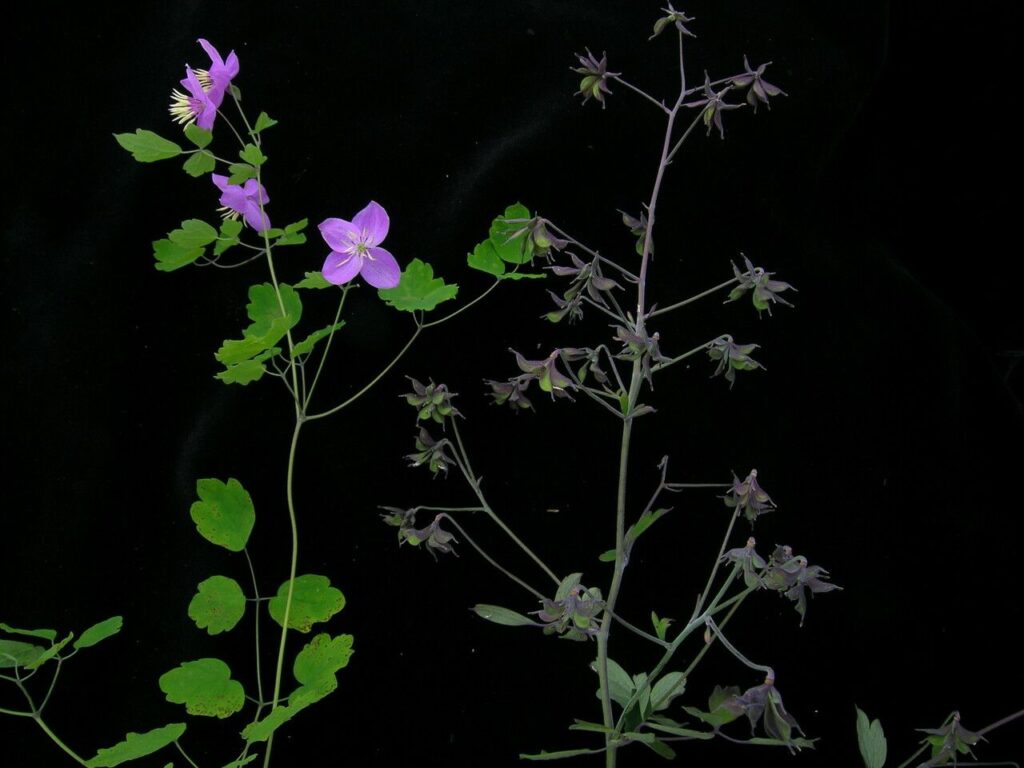
Unveiling the Mystery: Propagating the Ethereal Beauty of Meadow Rue (Thalictrum rostellatum)
Meadow rue, with its delicate, cloud-like blooms and airy foliage, brings an ethereal charm to any garden. Thalictrum rostellatum, in particular, is a standout variety, showcasing lavender-pink flowers that dance delicately on wiry stems above finely dissected, blue-green leaves. If you’re enchanted by this whimsical perennial and wish to multiply its magic in your garden, you’re in luck! Propagating Thalictrum rostellatum, while not as common as with other perennials, is achievable with a bit of patience and the right techniques.
Seed Starting: A Journey of Patience and Reward
Starting Thalictrum rostellatum from seed can be a rewarding, albeit more time-consuming, method. Here’s what you need to know:
- Seed Collection: Harvest mature seeds from existing plants in late summer or early fall. Look for dry, brown seedheads.
- Cold Stratification: Meadow rue seeds require a period of cold treatment to break dormancy. Store seeds in a moist paper towel inside a sealed plastic bag in your refrigerator for 4-6 weeks.
- Sowing: In spring, sow the cold-stratified seeds in seed trays filled with a well-draining seed-starting mix. Press the seeds lightly onto the surface but do not bury them; they require light for germination.
- Patience is Key: Germination can be erratic and may take anywhere from a few weeks to a couple of months. Keep the soil consistently moist and provide bright, indirect light.
- Transplanting: Once seedlings have developed several sets of true leaves, transplant them into individual pots to grow larger before planting them outdoors in the garden.
Division: The Gift that Keeps on Giving
For a quicker and more reliable method, division is the way to go. Spring or early fall, when the plant is dormant or just starting to emerge, is the optimal time for dividing Thalictrum rostellatum.
- Digging Up: Carefully lift the entire clump of the plant from the ground, ensuring you get as much of the root system as possible.
- Dividing: Use a sharp, clean gardening knife or spade to divide the plant into smaller sections. Each section should have a good chunk of roots and a few healthy shoots.
- Replanting: Replant the divisions at the same depth they were originally growing. Water thoroughly and keep the soil consistently moist until they’re established.
Essential Tips for Success:
- Well-Drained Soil: Thalictrum rostellatum thrives in moist, well-drained soil. Amend heavy clay soils with compost or other organic matter to improve drainage.
- Light Requirements: Provide a spot with partial to full sun, at least 4-6 hours of sunlight per day.
- Regular Watering: Water regularly, especially during dry periods, but avoid overwatering.
- Support: Consider providing support for taller varieties as their delicate stems can be prone to flopping.
By embracing these propagation techniques and providing the right care, you can enjoy the airy elegance of Thalictrum rostellatum for years to come, creating a haven of delicate beauty and whimsical charm right in your backyard.