
Unveiling the Secrets of Thelypteris Costata Propagation: A Guide to Multiplying Your Fern
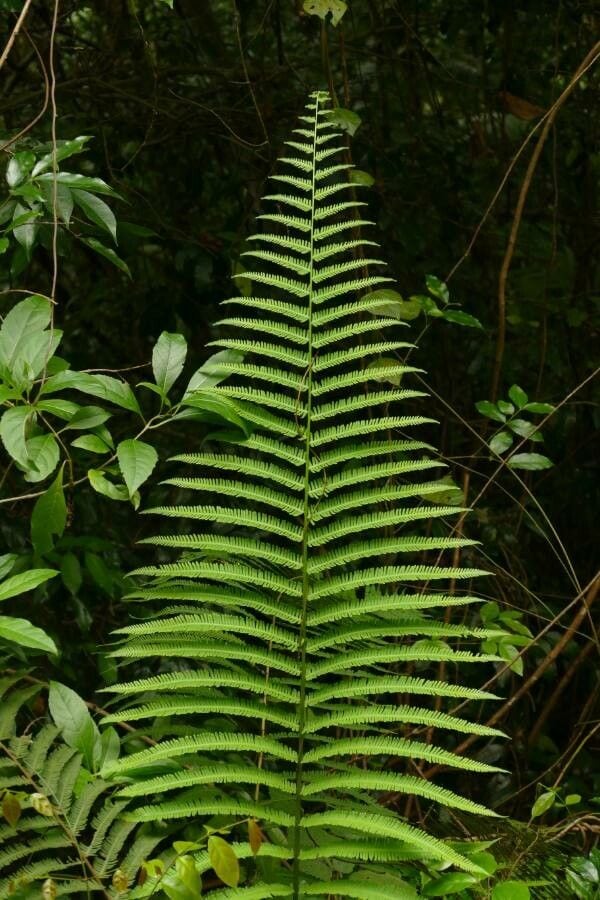
Thelypteris costata, also known as the Southern Shield Fern, is a captivating beauty that can bring a touch of prehistoric charm to any garden or indoor space. Its lush, vibrant green fronds and easy-going nature make it a favorite amongst plant enthusiasts. If you’re looking to expand your fern family or share the joy of this ancient wonder, propagating your Thelypteris costata is a rewarding endeavor. Let’s delve into the secrets of multiplying this fascinating fern.
Understanding Thelypteris Costata:
Before jumping into propagation, it’s helpful to understand the plant’s growth habits. Unlike flowering plants that produce seeds, ferns like the Thelypteris costata reproduce through spores. These tiny, dust-like particles are housed in structures called sporangia, which appear as brown dots on the undersides of mature fronds.
Spore Propagation: A Journey of Patience and Wonder:
- Spore Collection: Begin by selecting healthy, mature fronds with prominent sporangia. Carefully snip the frond and place it in a paper bag or between sheets of newspaper. Allow it to dry for a few days, during which the sporangia will release the spores.
- Preparing the Spore Bed: Thelypteris costata spores thrive in a warm, humid environment. Fill a seed tray or shallow container with a sterile, well-draining potting mix specifically formulated for ferns. Mist the surface generously with water.
- Sowing the Spores: Gently tap the dried frond over the prepared soil to disperse the spores. Avoid burying them; they require light for germination.
- Creating a Humid Haven: To maintain the necessary humidity, enclose the tray in a plastic bag or cover it with a humidity dome. Place it in a warm, indirectly lit location, away from direct sunlight.
- The Waiting Game: Germination can take anywhere from a few weeks to a couple of months. Be patient and ensure the soil remains consistently moist by misting regularly.
- Transplanting the Sporophytes: Once tiny, heart-shaped structures called prothalli emerge, followed by the first delicate fronds, it’s time to transplant. Carefully separate the young ferns and pot them individually in small containers filled with fern-friendly potting mix.
Division: A Simpler Route to Multiplication:
While spore propagation offers a fascinating glimpse into the fern’s lifecycle, it requires patience and a gentle touch. An easier and often quicker method is division. Here’s how:
- Timing is Key: The best time for division is during the spring or early summer when the plant is actively growing.
- Dividing the Plant: Gently remove the fern from its pot and carefully tease apart the rhizome (underground stem) into sections. Ensure each division has a good amount of roots and at least one healthy frond.
- Potting the Divisions: Plant each division in a well-draining potting mix suitable for ferns and water thoroughly. Maintain a consistent moisture level and provide indirect sunlight.
Enjoying Your New Fern Friends:
Whether you choose the magical journey of spore propagation or the simpler route of division, the process of expanding your Thelypteris costata collection is immensely fulfilling. With the right care and environment, these ancient beauties will thrive, offering a calming presence and a touch of the prehistoric to your indoor or outdoor haven.