
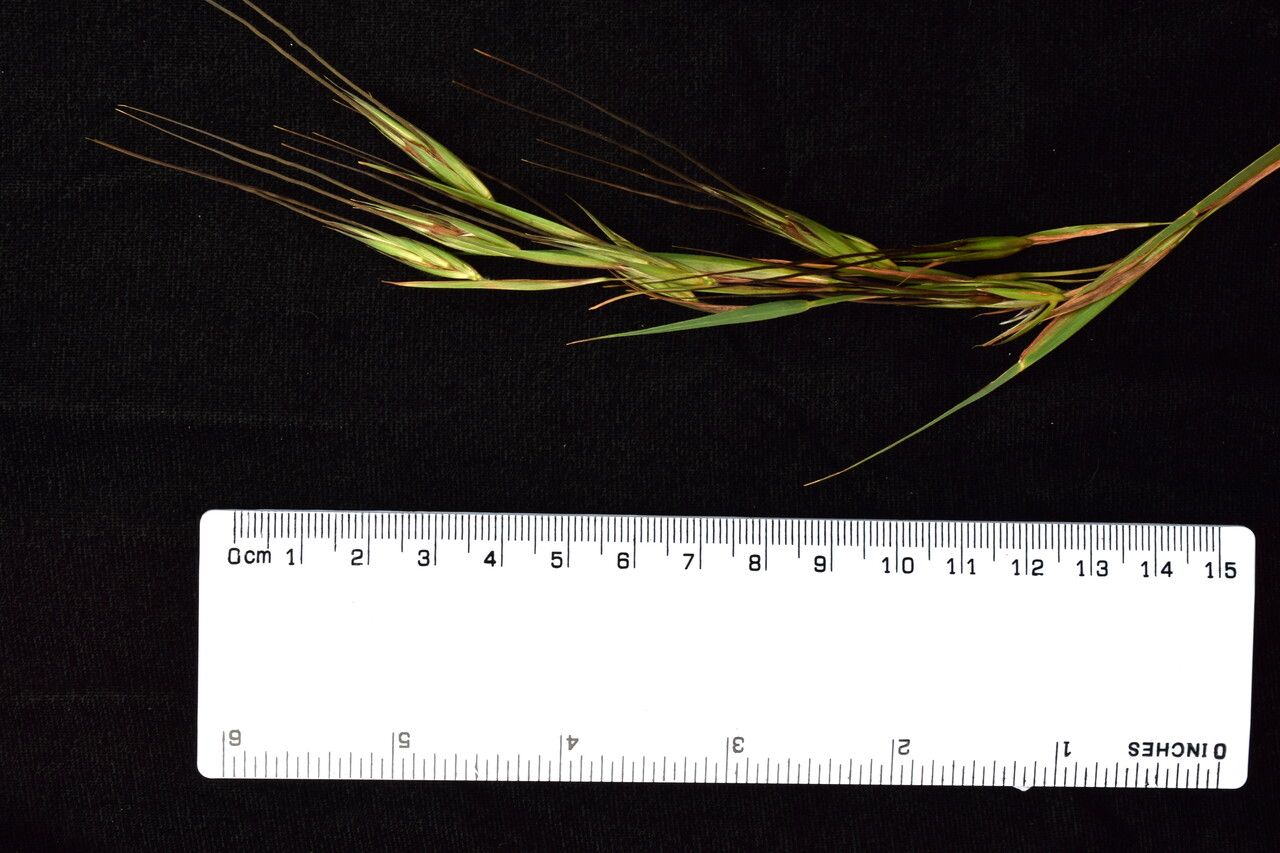
Unlocking the Secrets: How to Propagate the Kangaroo Grass (Themeda caudata)
The Kangaroo Grass (Themeda caudata), with its distinctive drooping seed heads resembling a kangaroo’s tail, is a beautiful and versatile Australian native grass. Whether you’re looking to add a touch of Aussie charm to your garden or contribute to habitat restoration, knowing how to propagate this resilient species is key. Unlike some fussy flora, the Kangaroo Grass offers a couple of straightforward propagation methods, making it accessible even for beginner gardeners.
Method 1: Seed Propagation
Propagating Kangaroo Grass from seed is a rewarding process, allowing you to witness the entire lifecycle of this hardy species.
1. Seed Collection:
The best time to collect Kangaroo Grass seeds is in late summer or early autumn when the seed heads turn golden brown. Look for plump, healthy seeds and gently detach them from the stalk.
2. Seed Preparation (Optional):
While not strictly necessary, cold stratification can help improve germination rates. Place seeds in a moist paper towel, seal them in a plastic bag, and store them in the refrigerator for 4-6 weeks.
3. Sowing:
Sow seeds in a well-draining seed-raising mix, barely covering them with soil. Keep the mix consistently moist but not waterlogged.
4. Germination:
Germination typically occurs within 2-4 weeks, depending on temperature and moisture levels. Once seedlings emerge, provide them with ample sunlight and water regularly.
Method 2: Division
For a quicker way to establish new Kangaroo Grass plants, division is an excellent option, particularly for mature clumps.
1. Timing is Key:
The best time to divide Kangaroo Grass is in spring or early summer when the plants are actively growing.
2. Digging Up the Clump:
Carefully dig around the base of the clump, ensuring you dig a wide enough circle to avoid damaging the roots.
3. Dividing the Clump:
Using a sharp knife or garden spade, divide the clump into smaller sections, ensuring each section has a healthy root system and several shoots.
4. Replanting:
Replant the divided sections at the same depth they were originally growing. Water them in well and keep the soil consistently moist until they are established.
Additional Tips for Success:
- Sunlight and Soil: Kangaroo Grass thrives in full sun to part shade and prefers well-drained soil.
- Watering: Once established, Kangaroo Grass is relatively drought-tolerant but appreciates regular watering during extended dry periods.
- Fertilising: While not essential, fertilizing with a slow-release native fertilizer in spring can promote healthy growth.
- Pests and Diseases: Kangaroo Grass is generally pest and disease-resistant, making it a low-maintenance addition to your garden.
Propagating Kangaroo Grass is a fulfilling way to connect with nature while adding a touch of Australian beauty to your landscape. By following these techniques, you’ll be well on your way to cultivating this iconic and resilient native grass.