
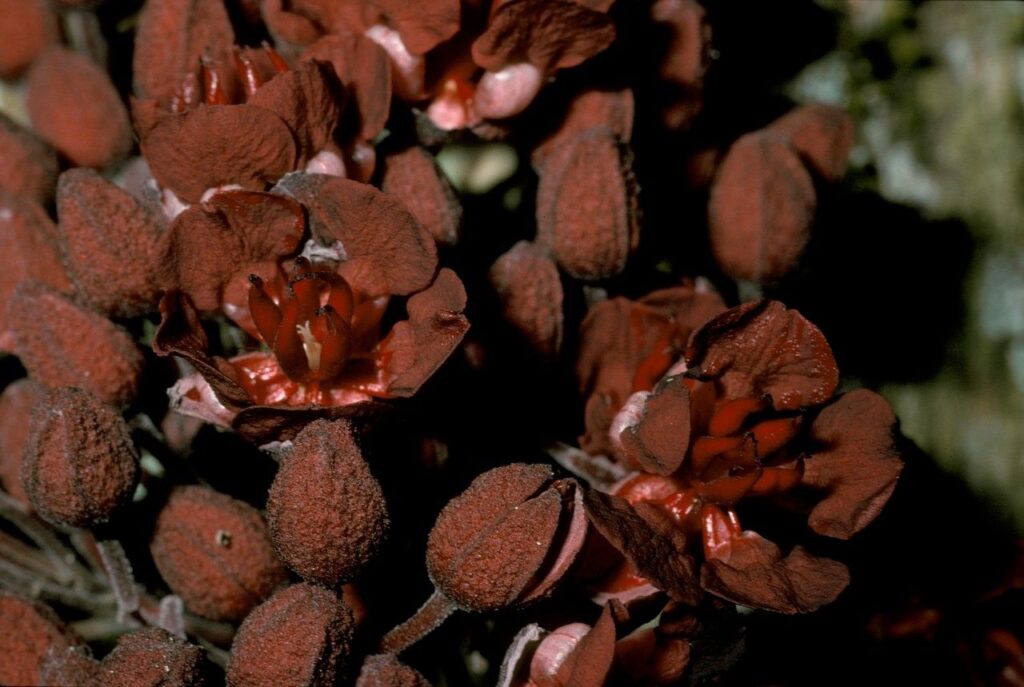
Unveiling the Secrets of the Cupuaçu: Propagation Techniques for Theobroma speciosum
The Amazon rainforest holds a treasure trove of unique and delicious fruits, and among them is the cupuaçu (pronounced “koo-poo-a-soo”). Known scientifically as Theobroma speciosum, this fascinating relative of the cacao plant produces a fruit prized for its creamy, tangy pulp used in juices, desserts, and even cosmetics. While not as globally recognized as its chocolate-producing cousin, cupuaçu cultivation is gaining interest. So, if you’re intrigued by this exotic fruit and want to try your hand at growing it, let’s dive into the world of cupuaçu propagation.
Seeds of Success: The Most Common Method
The most common and accessible way to propagate Theobroma speciosum is through its seeds. Fresh seeds, extracted from ripe fruit, offer the highest germination rates. Follow these steps for successful seed propagation:
- Seed Extraction and Preparation: Carefully extract the seeds from the ripe fruit, ensuring they are free from any pulp. Wash them gently and allow them to air dry for a day.
- Sowing the Seeds: Plant the seeds about 1 inch deep in a well-draining potting mix rich in organic matter. Maintain a consistently moist environment, but avoid overwatering.
- Warmth and Humidity: Cupuaçu thrives in warm and humid conditions, mimicking its Amazonian home. Place the seed tray in a warm location (around 80-85°F or 27-29°C) and consider using a humidity dome or misting regularly to keep the air moist.
- Patience is Key: Germination can take anywhere from a few weeks to a couple of months. Once the seedlings have sprouted and developed a few sets of leaves, they can be transplanted into larger pots or directly into the ground in suitable climates.
Beyond Seeds: Exploring Other Propagation Techniques
While seed propagation is the most common method, cupuaçu can also be propagated through other techniques:
- Cuttings: Taking cuttings from mature, healthy branches can be successful. Use a rooting hormone to encourage root development and provide warm, humid conditions.
- Grafting: This method involves joining a cupuaçu scion (a cutting from a desired variety) onto a compatible rootstock, often a related Theobroma species. Grafting allows for faster fruit production and can enhance desirable traits.
Nurturing Your Cupuaçu: Essential Care Tips
Whether you start from seed or choose an alternative propagation method, providing your cupuaçu with the right care is crucial for its growth and fruit production:
- Sun and Shade: Cupuaçu trees thrive in partial shade, ideally receiving 4-6 hours of sunlight daily.
- Well-Drained Soil: Ensure the soil drains well to prevent root rot.
- Regular Watering: Water consistently, keeping the soil moist but not waterlogged.
- Fertilization: Regular fertilization with a balanced fertilizer rich in micronutrients will support healthy growth.
Propagating Theobroma speciosum might require some patience and dedication, but the reward of growing your own cupuaçu fruit is well worth the effort. By understanding the plant’s needs and utilizing the right propagation techniques, you too can unlock the secrets of this Amazonian treasure and enjoy its unique flavor and versatility.