
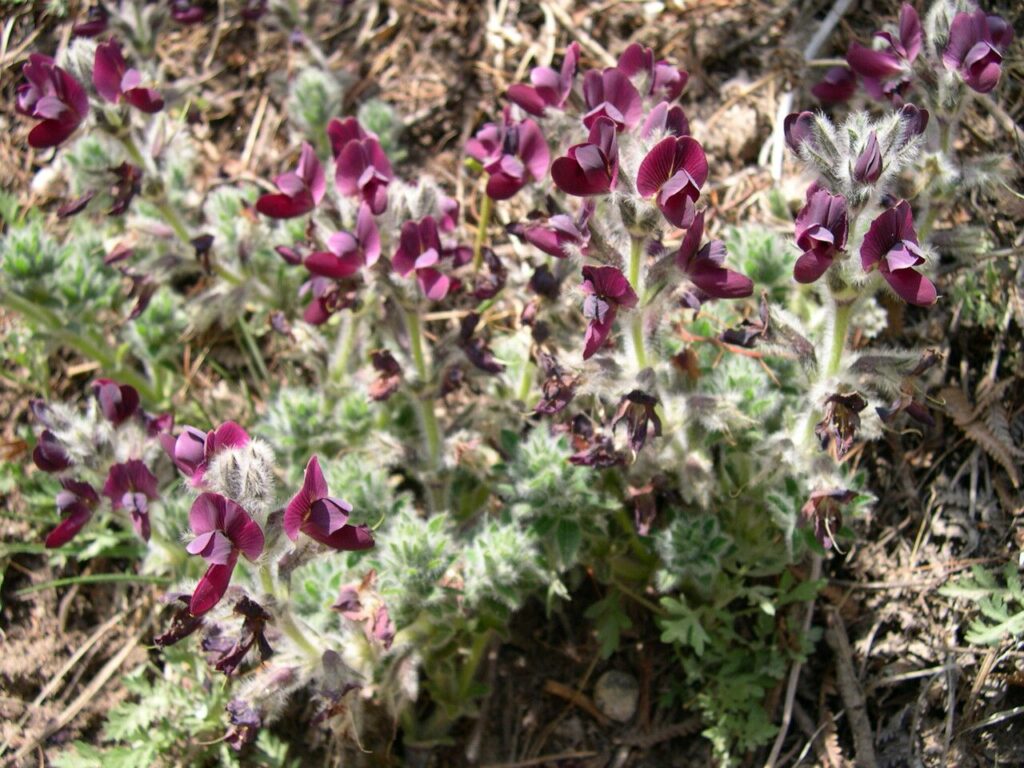
From One to Many: Propagating the Showy Thermopsis Barbata
The Thermopsis barbata, with its stunning display of yellow blooms, is a captivating addition to any garden. But if you’ve fallen in love with this plant, you might be wondering how to share its beauty with others (or just fill more space in your own landscape!). Luckily, propagation is relatively simple, allowing you to easily increase your stock of these vibrant wildflowers.
Two Main Methods: Seeds and Division
Thermopsis barbata can be propagated through two primary methods: seeds and division. Each offers unique advantages and challenges. Let’s delve into each:
1. Seed Propagation:
Pros:
- Abundant Supply: Thermopsis barbata produces numerous seed pods, providing you with plenty of starting material.
- Genetic Diversity: Seeds offer a chance to develop new variations within your plant population.
- Relatively Easy: Seed propagation doesn’t require specialized equipment and can be done by anyone.
Cons:
- Slower Growth: Seedlings take longer to reach maturity compared to plants started from divisions.
- Limited Control: Seed germination and offspring characteristics can be unpredictable.
Steps for Seed Propagation:
- Collect Seeds: Harvest seed pods after they turn brown and dry, typically in late summer.
- Clean and Store: Remove the seeds from the pods and allow them to dry completely. Store in a cool, dry place until spring.
- Sowing: Plant seeds directly in the garden after the last frost in spring. Alternatively, start seeds indoors a few weeks before the last frost for early blooming.
2. Division:
Pros:
- Faster Growth: Divisions can be planted directly in the ground and will begin flowering sooner than seedlings.
- Preserves Parent Plant Characteristics: Divisions are genetically identical clones, ensuring you maintain the desired traits of your original plant.
Cons:
- Limited Supply: You can only divide a plant a limited number of times before harming it.
- Requires Digging: Divisions require digging up the parent plant and dividing the root system, which can be labor-intensive.
Steps for Division:
- Time It Right: The best time to divide Thermopsis barbata is in early spring or late summer, when the plant is actively growing but not in full bloom.
- Prepare the Division: Carefully dig up the parent plant, making sure to preserve as much of the root system as possible. Gently separate the plant into sections, each with its own set of roots and stems.
- Replant: Immediately plant the divisions in a prepared bed or pot.
Important Considerations:
- Soil: Thermopsis barbata prefers well-drained soil with a slightly acidic pH (6.0 to 6.5).
- Sunlight: This plant thrives in full sun to partial shade.
- Watering: Water regularly, especially during dry periods, but avoid overwatering.
- Fertilizer: Fertilize with a balanced fertilizer in the early growing season.
Enjoy the Show:
With a little patience and care, propagating your Thermopsis barbata will bring vibrant colors and a sense of accomplishment to your garden. You’ll enjoy watching these unique wildflowers thrive for years to come, all from a single plant.