
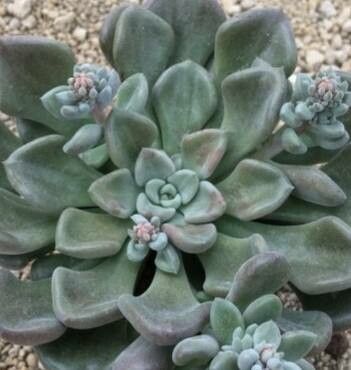
Unlocking the Secrets of Thompsonella Spathulata Propagation: A Guide to Multiplying Your Mexican Tears
Thompsonella spathulata, affectionately known as the Mexican Tears Plant, captivates succulent enthusiasts with its cascading foliage and charming pink blooms. While finding this botanical gem at a nursery can be a treat, wouldn’t it be even more rewarding to multiply your own thriving colony? Fear not, propagating Thompsonella spathulata is an achievable endeavor, even for those new to the world of plant propagation. Let’s dive into the secrets of successfully expanding your collection.
Two Paths to Propagation:
1. Leaf Cuttings:
- Timing is Key: The optimal time for taking leaf cuttings is during the plant’s active growing season, which is typically spring and early summer.
- Select Healthy Leaves: Look for plump, firm leaves free from any damage or discoloration. Gently twist them off the stem, ensuring the entire leaf, including its base, is intact.
- Let Them Rest: Place the leaves on a tray lined with dry paper towels in a well-ventilated area, out of direct sunlight. Allow them to callous over for about a week. This healing process is crucial to prevent rot when the leaves are introduced to the propagation medium.
- Planting Time: Prepare a shallow tray filled with a well-draining succulent and cactus mix. You can also create your own blend using equal parts potting soil, perlite, and coarse sand.
- Lay the Foundation: Lay the calloused leaves flat on the soil surface, ensuring the base of each leaf is in contact with the medium.
- Mist and Wait: Lightly mist the soil with water, being careful not to overwater. Place the tray in a bright location, but away from direct sunlight. Over the next few weeks, tiny pink roots will emerge, followed by plantlets at the base of each leaf.
- Transplant to Freedom: Once the plantlets develop a strong root system and several leaves of their own, carefully separate them from the mother leaf and transplant them into individual pots.
2. Seed Propagation (The Patient Gardener’s Choice):
- Source Your Seeds: Thompsonella spathulata readily produces seeds after flowering. Collect the small, black seeds once the seed pods have dried and turned brown.
- Prepare Your Seedbed: Fill a seed tray with a well-draining seed starting mix or a blend of peat moss and vermiculite.
- Sow with Care: Sprinkle the tiny seeds evenly across the surface of the soil, pressing them in lightly.
- Moisture is Key: Mist the soil with water, ensuring it remains consistently moist but not waterlogged. Cover the tray with a clear plastic lid or cling wrap to create a humid environment.
- Patience, Young Padawan: Place the tray in a warm, brightly lit area, out of direct sunlight. Germination can take several weeks to a few months.
- Growing Strong: Once the seedlings have developed a few sets of true leaves, they can be carefully transplanted into individual pots filled with a well-draining succulent mix.
Tips for Success:
- Sunlight is Your Ally: Thompsonella spathulata thrive in bright, indirect sunlight.
- Don’t Overdo the H2O: Allow the soil to dry out completely between waterings. Overwatering can lead to root rot.
- Fertilize Sparingly: During the growing season, fertilize monthly with a diluted balanced fertilizer.
Propagating Thompsonella spathulata might require some patience and a gentle touch, but the rewards are well worth the effort. With these tips, you’ll be well on your way to cultivating an envy-inducing collection of these charming succulents.