
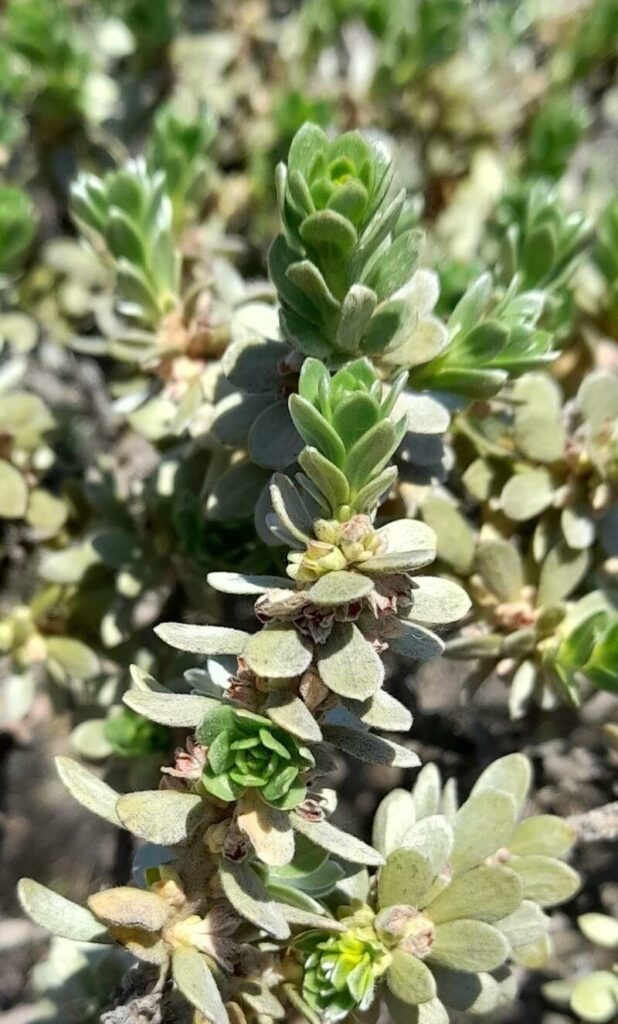
Unlock the Secrets of Propagation: Growing More of the Exquisite Thymelaea Tarton-raira
The Thymelaea tarton-raira, with its captivating fragrance and delicate, fragrant flowers, is an alluring addition to any garden. But what if you could share this beauty with others or expand your own collection? That’s where propagation comes in – a fascinating and rewarding practice that allows you to create new plants from existing ones.
This post delves into the world of propagating Thymelaea tarton-raira, exploring the most effective methods and offering valuable tips for success.
The Power of Cuttings:
The most common and perhaps easiest method for propagating Thymelaea tarton-raira is through semi-hardwood cuttings. This technique involves taking cuttings from new growth in late spring or summer, when the wood is still pliable but has hardened slightly.
Here’s how to do it:
- Select healthy stems: Pick stems that are about 4-6 inches long and have at least 3-4 nodes (the bumps on the stem where leaves sprout).
- Make clean cuts: Use a sharp knife or pruning shears to make a clean, angled cut just below a node.
- Remove lower leaves: Strip off the leaves from the bottom inch or two of the stem.
- Dip in rooting hormone: To boost rooting success, dip the cut end of the stem in a rooting hormone solution.
- Prepare the medium: Fill a pot with a mixture of equal parts perlite and peat moss or vermiculite.
- Plant the cuttings: Insert the cutting into the potting mix, leaving about 3 inches above the soil.
- Mist and cover: Mist the cuttings regularly and cover the pot with a plastic dome or bag to create a humid environment.
- Patience is key: Keep the cuttings in a bright, indirect light location and allow the soil to dry slightly between waterings. It can take 4-6 weeks, sometimes even longer, for roots to develop.
The Art of Layering:
Another effective technique for propagating Thymelaea tarton-raira is by layering. This method involves encouraging roots to develop on a stem that is still attached to the parent plant.
- Air Layering: You can perform air layering by making a small cut on a stem, applying rooting hormone, and wrapping it with sphagnum moss. Keep the moss moist, and eventually, roots will develop at the cut site. Once roots have formed, you can cut the layered branch from the parent plant.
- Tip Layering: Simply bend a stem down to the ground, bury the tip in the soil, and secure it in place. This method allows roots to develop naturally.
A Note on Seeds:
While technically possible, propagating Thymelaea tarton-raira from seeds is not commonly practiced. The seeds have a low germination rate and require specific conditions to germinate.
Essential Propagation Tips:
- Sterilize tools: Always sterilize your tools before cutting to prevent the spread of diseases.
- Maintain humidity: Cuttings and layers thrive in high humidity You can use a plastic dome or cover the container with a transparent bag.
- Don’t forget the light: Cuttings need bright, indirect light. Avoid direct sun, which can burn tender new growth.
- Be patient and persistent: Propagation takes time. Don’t give up if you don’t see immediate results.
From Propagation to Pride:
With a little patience and the right techniques, you can successfully propagate Thymelaea tarton-raira. This rewarding process will allow you to enjoy more of this beautiful and fragrant plant and share its unique beauty with others. Remember, success often comes from closely observing your plants, paying attention to their needs, and adapting your approach based on your observations.
So, why wait? Embark on your Thymelaea tarton-raira propagation journey today and experience the joy of multiplying this captivating garden gem!