
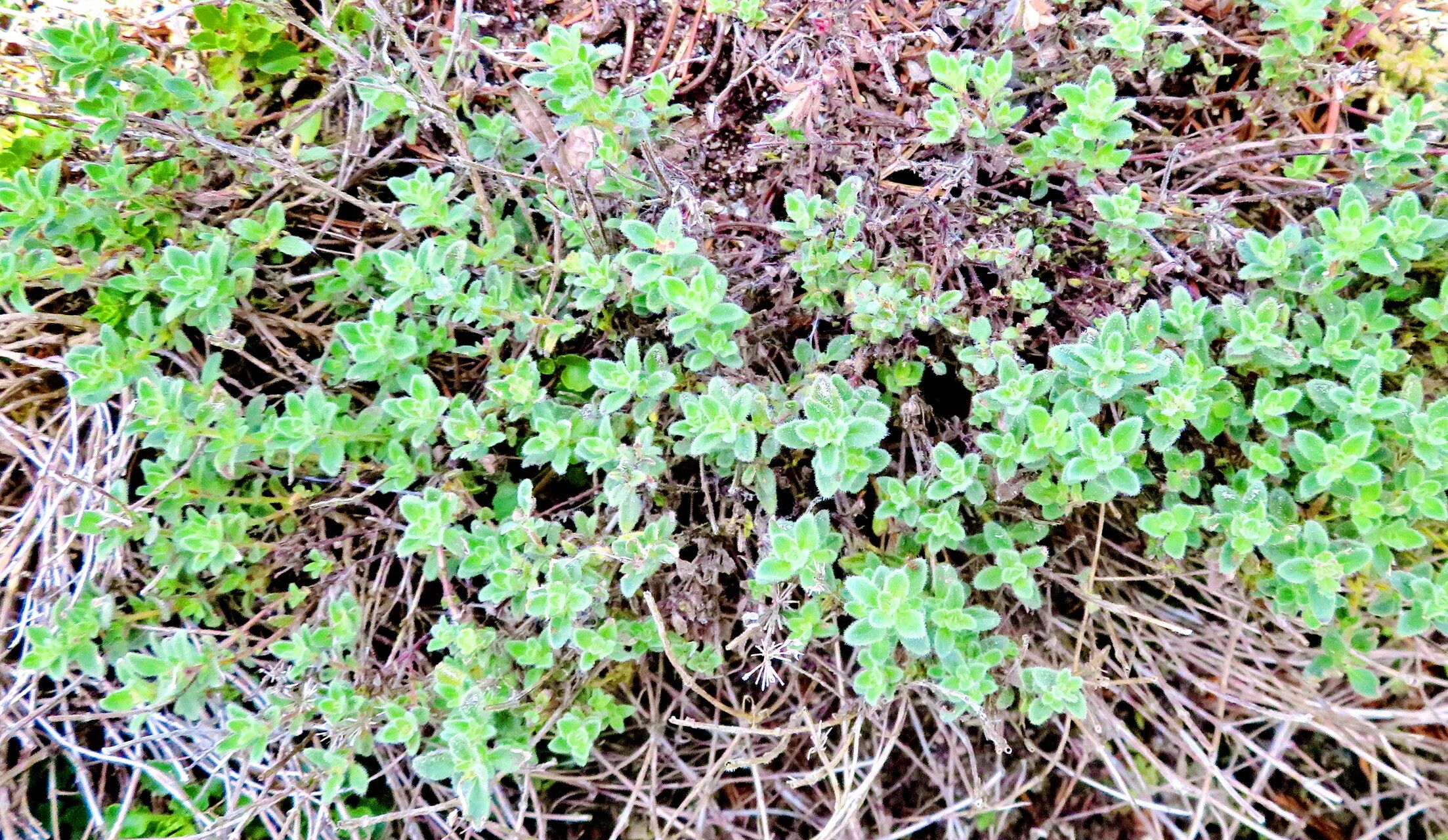
Multiplying Your Mediterranean Carpet: A Guide to Propagating Thymus caespititius
Thymus caespititius, also known as Spanish thyme or Breckland thyme, is a captivating groundcover cherished for its vibrant blooms and intoxicating fragrance. This low-growing, mat-forming perennial transforms spaces with its carpet of tiny, aromatic leaves and explosion of pink to purple flowers that grace the garden from late spring to early summer. Whether you’re captivated by its beauty or enticed by its culinary and medicinal uses, propagating Thymus caespititius is a rewarding endeavor that’s easier than you might think.
Let’s explore three simple methods to multiply your Mediterranean delight:
1. Cuttings: The Fastest Route to New Plants
Taking cuttings is undoubtedly the most popular and efficient way to propagate Thymus caespititius. This method allows you to create clones of your existing plant, preserving its specific characteristics.
Here’s how:
- Timing is Key: The optimal time for taking cuttings is during the active growing season, ideally in late spring or early summer.
- Tools of the Trade: You’ll need a sharp, sterilized knife or pair of pruning shears, small pots filled with a well-draining potting mix, and a rooting hormone (optional but beneficial).
- Cut and Prepare: Select healthy, non-flowering stems and make a clean cut about 3-4 inches long below a leaf node. Remove the leaves from the bottom inch of the cutting.
- Root Hormone (Optional): Dip the cut end of the stem in rooting hormone to encourage faster root development.
- Potting and Care: Plant the cuttings in the prepared pots, ensuring the bottom node is buried. Water gently and place them in a warm, bright location out of direct sunlight.
- Patience is a Virtue: Keep the potting mix consistently moist but not soggy. Within a few weeks, you should see new growth, indicating successful rooting.
2. Division: Separating for Abundance
Dividing established plants is another straightforward method for propagating Thymus caespititius, particularly helpful in maintaining plant health and controlling its spread.
Here’s how:
- Timing: Early spring or fall is the optimal time for dividing Thymus caespititius, allowing ample time for the divided sections to establish themselves.
- Gentle Separation: Carefully dig up the entire plant, ensuring you get a good root ball. Gently tease apart the plant into smaller sections, ensuring each division has a healthy amount of roots and shoots.
- Repotting: Replant the divided sections at the same depth they were originally growing, water thoroughly, and provide shade for a few days to minimize transplant shock.
3. Seed Starting: A More Patient Approach
While Thymus caespititius readily self-seeds in ideal conditions, you can also start new plants from seed indoors.
Here’s how:
- Sowing Time: Start seeds indoors 6-8 weeks before the last frost date in your region.
- Seed Starting Mix: Use a well-draining seed starting mix and sprinkle the tiny seeds over the surface, lightly pressing them down.
- Light and Warmth: Thymus caespititius seeds require light for germination, so avoid burying them too deep. Maintain a temperature of around 70-75°F (21-24°C) for optimal germination.
- Transplanting Outdoors: Once the seedlings have developed a few sets of true leaves and all danger of frost has passed, gradually harden them off and transplant them outdoors.
Propagating Thymus caespititius: A Rewarding Journey
No matter which method you choose, propagating Thymus caespititius is a rewarding experience. The ability to multiply this fragrant, low-maintenance groundcover allows you to share its beauty and utility across your garden and beyond. So, grab your gardening gloves and embark on this fulfilling journey!