
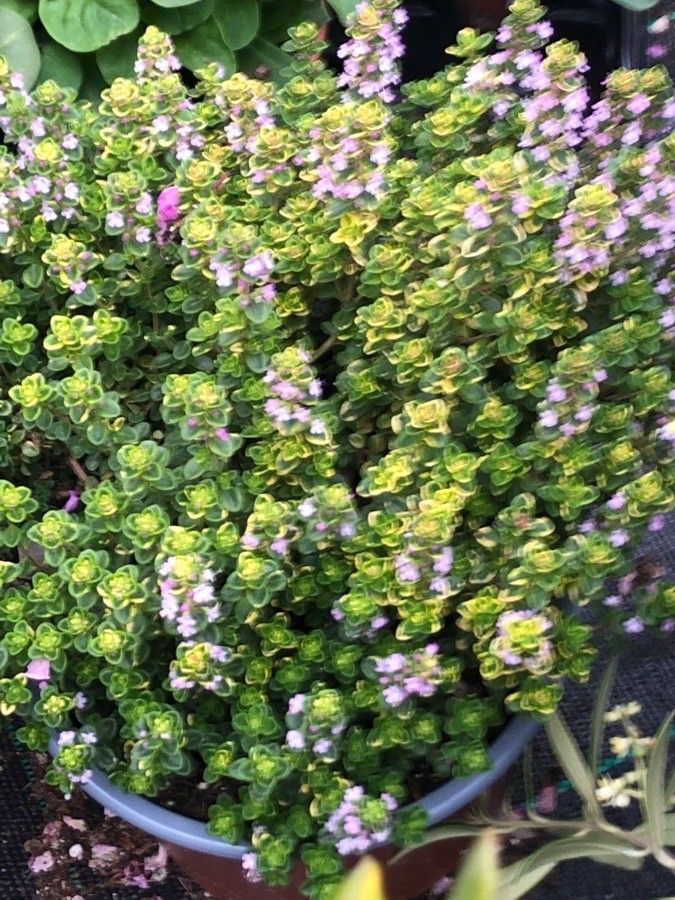
Unlocking the Secrets of Camphor Thyme Propagation: Grow a Fragrant Carpet with Ease
Camphor thyme (Thymus camphoratus), with its delicate beauty, intoxicating aroma, and culinary uses, is a highly desirable addition to any garden. This low-growing, evergreen groundcover forms a dense, fragrant mat, boasting tiny, silvery-green leaves and alluring pink flowers that attract pollinators. While readily available in nurseries, propagating your own camphor thyme is a rewarding experience that allows you to multiply your collection and share this wonderful herb with friends. Let’s explore the secrets to successfully propagating this Mediterranean gem!
Three Paths to Propagation Success:
-
Seed Starting:
Starting camphor thyme from seed is an economical choice, though it requires patience. Here’s how:
- Timing is Key: Sow seeds indoors 6-8 weeks before the last expected frost.
- Light and Airy: Use a seed starting mix and sprinkle seeds lightly on the surface, pressing gently without burying them.
- Warmth and Moisture: Provide bottom heat (around 70°F) and keep the soil consistently moist.
- Patience is a Virtue: Germination can take 2-3 weeks.
- Gradual Hardening: Once seedlings have a few sets of true leaves, gradually acclimate them to outdoor conditions before transplanting.
-
Cuttings for Clonal Delights:
Propagating from cuttings offers a faster route to mature plants and ensures you retain the exact characteristics of the parent plant. Follow these steps:
- Choose Wisely: Select healthy, non-flowering stems in late spring or early summer.
- Cut with Precision: Make a clean cut just below a leaf node, about 3-4 inches long. Remove leaves from the bottom inch of the stem.
- Hormone Boost (Optional): Dip the cut end in rooting hormone to encourage root development.
- Planting Time: Plant cuttings in a moist, well-draining potting mix.
- Humidity is Key: Cover the cuttings with a plastic bag or humidity dome to create a warm, humid environment.
- Rooting Success: In a few weeks, gently tug on the cuttings. Resistance indicates root development.
-
Dividing and Conquering Established Plants:
Mature camphor thyme plants readily lend themselves to division, a rewarding method for quick propagation:
- Optimal Timing: Divide plants in early spring or fall when the weather is cool.
- Gentle Separation: Carefully dig up the entire plant and gently separate it into smaller sections, ensuring each section has a good root system.
- Replant with Care: Replant the divisions at the same depth they were originally growing, water well, and watch them thrive.
Caring for Your Camphor Thyme Progeny:
Regardless of your chosen propagation method, ensure your camphor thyme thrives by following these care tips:
- Sun-Kissed Location: Plant in a site with full sun (at least 6 hours daily) for optimal growth and fragrance.
- Well-Drained Soil is a Must: Thyme dislikes soggy roots, so ensure good drainage. Amending clay soil with sand or gravel is beneficial.
- Watering Wisely: Water deeply but infrequently, allowing the soil to dry out slightly between waterings.
- Pruning for Density: Shear back plants lightly after flowering to maintain shape and encourage bushier growth.
By mastering these propagation techniques and providing the right growing conditions, you can enjoy the beauty, fragrance, and culinary delights of camphor thyme for years to come. So why not embark on this rewarding gardening adventure and create a fragrant, pollinator-friendly haven in your own backyard?