
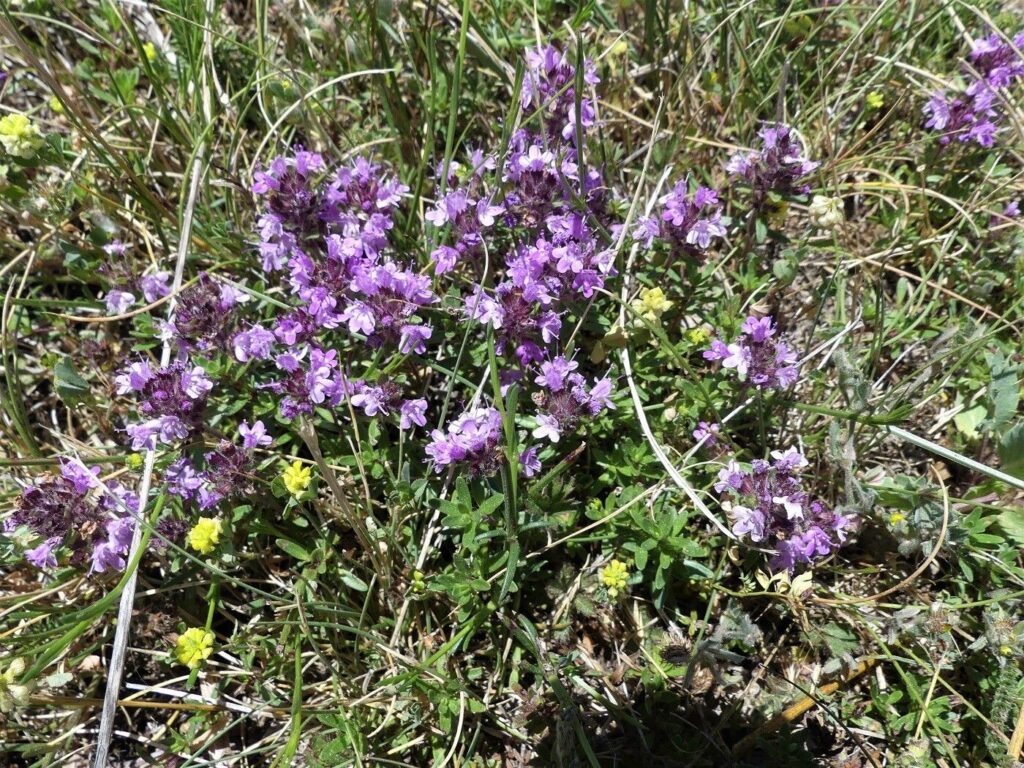
Unleash Your Inner Gardener: Propagating the Aromatic Thymus Embergeri
Thymus embergeri, also known as Moroccan thyme, is a delightful evergreen shrub prized for its compact size, stunning pink flowers, and most importantly, its powerful, spicy fragrance. This hardy plant, native to the Atlas Mountains of Morocco, thrives in sunny locations with well-drained soil, making it a wonderful addition to rock gardens, borders, or even containers on a sunny patio.
While you can easily find Thymus embergeri in some nurseries, propagating it yourself is incredibly rewarding and surprisingly simple. Let’s explore the two most common methods to multiply your stock and fill your garden with the delightful aroma of Moroccan thyme.
1. Propagation from Stem Cuttings:
The most popular and efficient method is propagating Thymus embergeri from stem cuttings. This technique takes advantage of the plant’s ability to develop roots from cut stems. Here’s how to do it:
- Timing is Key: The best time for taking cuttings is late spring or early summer when the plant is actively growing.
- Taking the Cutting: Select a healthy, non-flowering stem and using a clean, sharp knife or pruning shears, cut a 3-4 inch section just below a leaf node (the point where leaves emerge).
- Prepare the Cutting: Remove the leaves from the bottom inch or two of the stem. You can dip the cut end in rooting hormone powder (optional but beneficial) to encourage faster root development.
- Planting the Cutting: Fill a small pot with a well-draining seed starting mix or a 50/50 blend of peat moss and perlite. Make a hole in the mix with a pencil and gently insert the cutting, ensuring the bottom nodes are buried.
- Creating a Humid Environment: Water the cutting thoroughly and place the pot in a propagator or cover it loosely with a plastic bag to create a humid environment.
- Patience is a Virtue: Place the cutting in a bright location, but out of direct sunlight. Keep the soil consistently moist but not soggy. Rooting typically takes 4-6 weeks. You can test for root development by gently tugging on the cutting – resistance means roots are forming!
- Transplanting: Once the cutting has developed a strong root system, transplant it into a larger pot or directly into your garden, spacing multiple plants about 12 inches apart.
2. Propagation from Layering:
Layering is another simple propagation technique that encourages root development while the stem is still attached to the parent plant.
- Choose a Branch: Select a low-growing, flexible stem on your Thymus embergeri.
- Prepare the Stem: Wound the stem slightly by making a small cut or scrape on the underside. This wound encourages root formation.
- Bury the Stem: Bend the stem gently so the wounded portion touches the ground. Bury this section under a couple of inches of soil, using a small rock or landscape pin to hold it in place.
- Patience, Once Again: Leave the layer undisturbed for a few weeks, keeping the soil consistently moist. After a couple of months, gently tug on the layered stem. If you feel resistance, roots have likely formed.
- Separation and Planting: Carefully sever the rooted stem from the parent plant and transplant it to its desired location.
No matter your chosen method, propagating your Thymus embergeri is a fulfilling experience that allows you to expand your garden’s aromatic bounty. With a little patience and care, you’ll soon be enjoying the beauty and fragrance of this delightful plant throughout your outdoor space.