
Taming the Lace Pod: A Guide to Propagating Thysanocarpus laciniatus
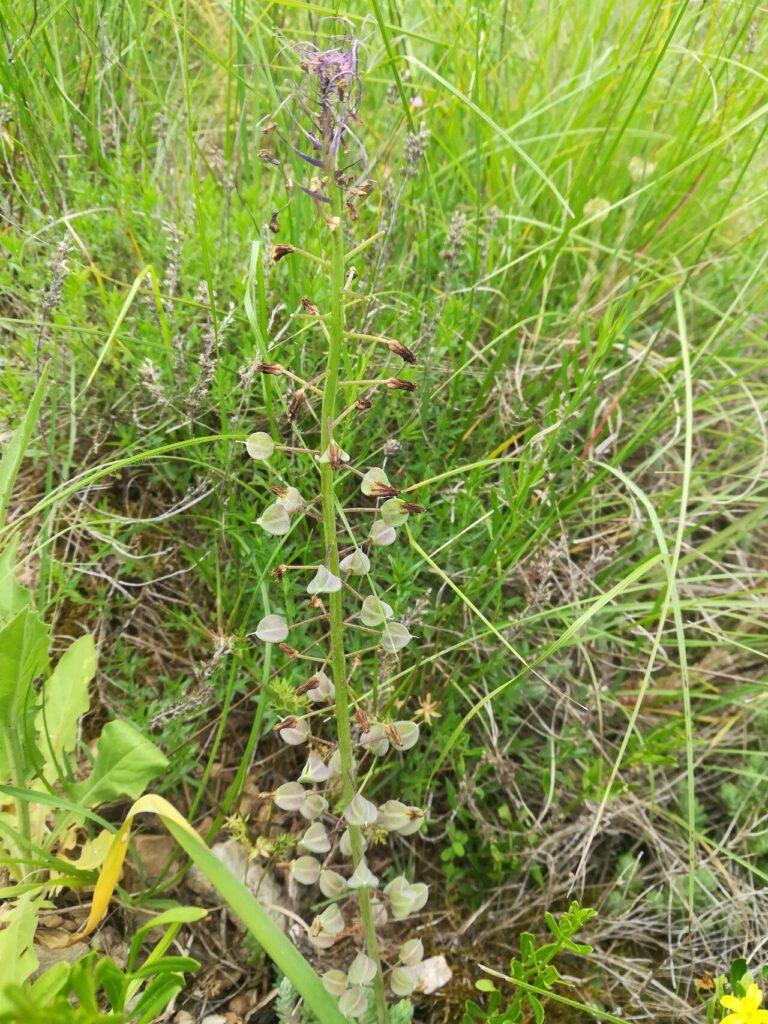
Thysanocarpus laciniatus, known charmingly as the lace pod, is a delicate wildflower native to the western United States. Its unique, flat seed pods resemble intricate lace, lending a touch of whimsical beauty to grasslands and open woodlands. If you’re enchanted by this subtle charmer and wish to invite it into your own garden, propagation is key. Luckily, with a bit of patience and the right approach, growing lace pods from seed can be a rewarding endeavor.
Collecting Seeds:
The first step on your lace pod journey is obtaining seeds. Look for mature pods in late spring to early summer. You’ll recognize them by their papery texture and light brown color. To ensure seed viability, it’s best to collect pods from multiple plants. Gently open the pods and extract the tiny, black seeds within.
Sowing Time:
Thysanocarpus laciniatus is a cool-season annual, meaning it thrives in cooler temperatures. For best results, sow seeds directly outdoors in fall. This allows the seeds to experience the natural freeze-thaw cycles essential for breaking their dormancy.
Preparing the Seedbed:
Lace pods prefer well-drained soil and sunny to partially shaded locations. Before sowing, clear the area of any weeds and loosen the soil with a garden fork. You can amend the soil with compost to improve drainage and provide nutrients.
Sowing the Seeds:
Scatter the seeds thinly over the prepared soil surface. Since the seeds are tiny, you can mix them with sand to ensure a more even distribution. Gently press the seeds into the soil, but avoid burying them too deeply, as they require light to germinate.
Watering and Care:
Water the area gently but thoroughly after sowing. Keep the soil consistently moist but not waterlogged. Once the seedlings emerge, thin them out to provide adequate spacing for growth, typically around 6-8 inches apart.
Alternative Method: Starting Indoors
If you prefer starting your seeds indoors, you can do so 6-8 weeks before the last frost date in your region. Use a seed starting mix and maintain a temperature of around 60-65°F (15-18°C). Once the seedlings develop a few true leaves and the danger of frost has passed, you can transplant them outdoors.
Enjoy the Delicate Beauty:
With proper care, your Thysanocarpus laciniatus will reward you with their captivating charm in spring. These delicate wildflowers may be small, but their intricate seed pods and dainty white flowers add a touch of understated elegance to any garden setting. Plus, their ability to self-sow ensures a continuous display year after year.
Beyond Propagation:
Growing Thysanocarpus laciniatus goes beyond simply adding beauty to your landscape. As a native wildflower, it plays a vital role in supporting local pollinators. Its delicate blooms attract a variety of beneficial insects, contributing to a healthier and more diverse ecosystem.
So, this year, consider embracing the subtle beauty of the lace pod. With a little effort and patience, you can cultivate these captivating wildflowers and enjoy their delicate charm for seasons to come.