
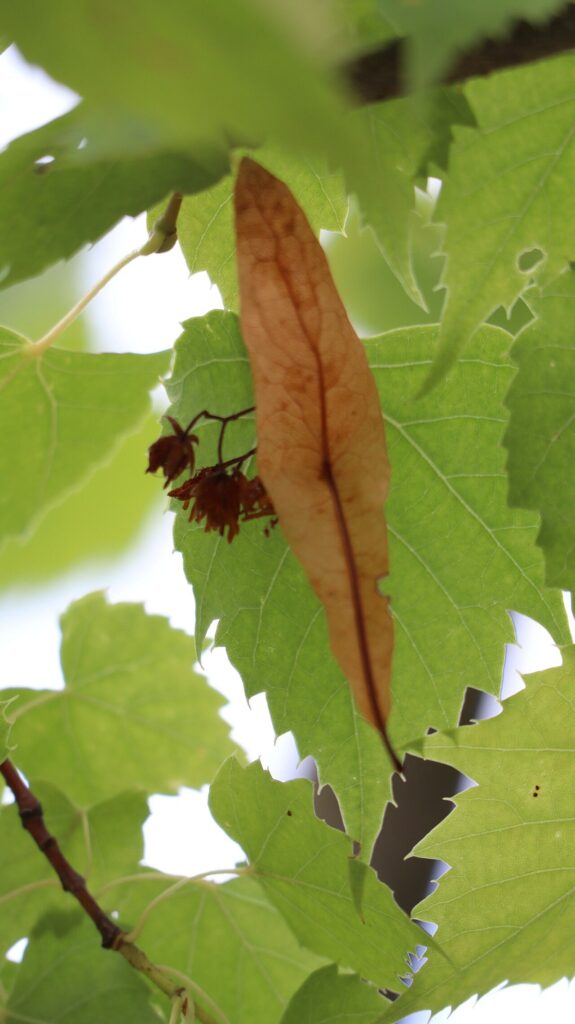
Unlocking the Secrets of Tilia chingiana Propagation: A Guide for Enthusiasts
The Tilia chingiana, also known as the Kweichou Linden, is a deciduous tree prized for its stunning heart-shaped leaves, delicate fragrance, and graceful form. Native to China, this Linden variety brings a touch of oriental elegance to gardens worldwide. While its beauty is readily admired, propagating Tilia chingiana can prove to be somewhat challenging, requiring patience and understanding of its unique needs.
This guide will delve into the various methods employed to propagate this exquisite tree, providing enthusiasts with the knowledge to successfully cultivate their own Tilia chingiana.
Method 1: Seed Propagation – A Test of Patience
While possible, propagating Tilia chingiana from seed is a lengthy process with a relatively low success rate. The seeds exhibit irregular germination patterns and require a period of cold stratification to break dormancy.
- Collection and Stratification: Collect mature seeds in autumn and store them in a moist medium like vermiculite within a sealed plastic bag. Place the bag in the refrigerator (around 4°C) for 3-4 months to simulate winter conditions.
- Sowing: In spring, sow the stratified seeds in a well-draining seed-starting mix, covering them lightly with soil. Keep the soil consistently moist and place the seed tray in a warm, bright location, out of direct sunlight.
- Germination: Germination can be erratic, taking anywhere from a few weeks to several months. Be patient and continue providing optimal moisture and light conditions.
Method 2: Semi-Hardwood Cuttings – A Faster Route
Taking semi-hardwood cuttings during summer offers a faster and more reliable method for propagating Tilia chingiana.
- Timing & Selection: Take cuttings in mid to late summer from healthy, actively growing branches. Choose stems that are about the thickness of a pencil and have firm, partially matured wood.
- Cutting Preparation: Make a clean cut just below a leaf node, removing the leaves from the lower one-third of the cutting. Dip the cut end in rooting hormone powder to stimulate root development.
- Planting & Care: Plant the cuttings in a well-draining potting mix, ensuring the bottom node is buried. Water thoroughly and maintain a humid environment by covering the pot with a plastic bag or using a propagation dome. Place in a bright location out of direct sunlight.
- Rooting: It can take 4-8 weeks for cuttings to develop roots. Once you see new growth, it indicates successful rooting, and you can gradually acclimatize the cutting to outdoor conditions.
Method 3: Grafting – For Enhanced Characteristics
Grafting offers another method for propagating Tilia chingiana, often employed to combine desirable characteristics from different Linden varieties. This technique involves joining a cutting (scion) from the desired plant onto the rootstock of a compatible species. However, grafting requires more specialized knowledge and tools and is best suited for experienced propagators.
Tips for Success:
- Soil: Utilize a well-draining, fertile soil mix for both seeds and cuttings.
- Moisture: Maintain consistent moisture but avoid overwatering, as it can lead to root rot.
- Light: Provide bright, indirect light for seedlings and cuttings to prevent scorching.
- Patience: Propagating Tilia chingiana takes time. Practice patience and remain consistent with care practices for optimal results.
Propagating Tilia chingiana might seem daunting at first, but with a little dedication and the right approach, you can be rewarded with the satisfaction of cultivating this magnificent tree. Choose the method that best suits your skills and resources, and embark on the fulfilling journey of growing your own Tilia chingiana, adding a touch of oriental allure to your landscape for years to come.