
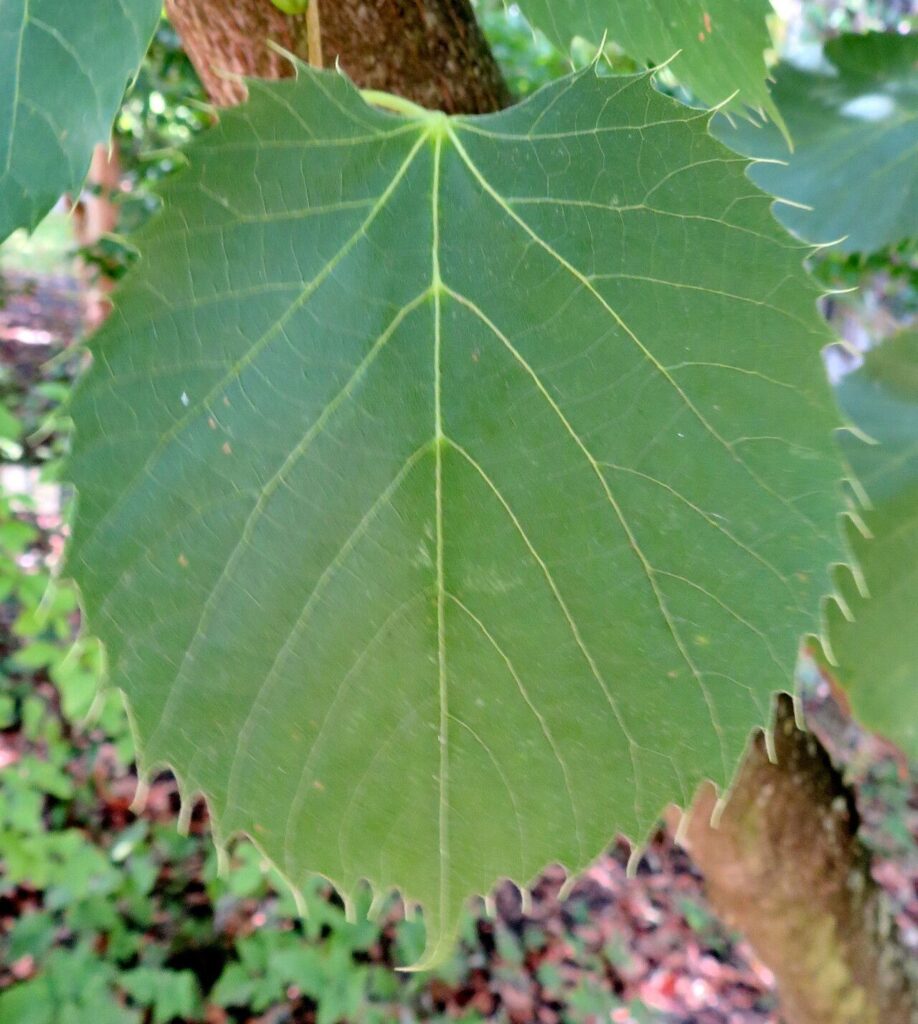
Unlocking the Secrets of Tilia henryana: A Guide to Propagation
The Tilia henryana, also known as the Chinese Linden or Henry’s Linden, is a beautiful tree, renowned for its graceful form and fragrant blossoms. Many gardeners dream of cultivating their own Tilia henryana, but the thought of propagation can seem daunting. Fear not! While this tree may be a bit more challenging to propagate than some, it’s not impossible.
This article will delve into the intricate world of Tilia henryana propagation, empowering you to bring this captivating tree into your own garden.
Methods of Propagation:
There are two main methods for propagating Tilia henryana- seeds and cuttings:
1. Seed Propagation:
- Collecting and Preparing Seeds: Tilia henryana seeds are dispersed by wind and can be collected from mature trees in late summer or early autumn. Collect them once they have fully matured and are ready to fall off the tree.
- Stratification: Tilia henryana seeds have tough seed coats that require a cold stratification period to break dormancy. This involves exposing them to cold conditions for several months. You can achieve this by storing the seeds in a moist refrigerator (around 40°F) for 4-6 months.
- Sowing: After stratification, sow the seeds in a well-draining seed-starting mix. Keep the soil consistently moist and provide a warm environment. Germination can occur in a few weeks to a couple of months.
2. Cuttings:
- Choosing the Right Cuttings: Take semi-hardwood cuttings from new growth in late summer or early autumn. Choose young, healthy stems with well-developed buds. Each cutting should be about 6-8 inches long.
- Preparing Cuttings: Trim the leaves from the bottom 2-3 inches of the cutting and make a shallow cut at the base of the stem.
- Root Hormone and Propagation Medium: Dip the cut end of the cutting in rooting hormone to encourage root development. Plant them in a pre-moistened mixture of peat moss, vermiculite, and perlite.
- Care: Keep the rooting medium moist and provide high humidity by covering the cuttings with a plastic dome or humidity tent. Place them in a warm, bright location, but out of direct sunlight. Rooting takes several months, and it’s essential to keep the cuttings consistently moist.
Factors for Success:
- Timing: The timing of your propagation efforts plays a crucial role. The optimal periods mentioned above are key for successful rooting and germination.
- Environment: Tilia henryana cuttings require a warm, humid environment to root. Ensure the environment is not overly hot or cold.
- Patience: It can take time for both seeds and cuttings to develop into established plants. Be patient and provide consistent care.
Beyond Propagation:
Once your Tilia henryana seedlings or cuttings have rooted, you can transplant them into larger pots or directly into the ground. Choose a location that offers full sun or partial shade and well-drained soil.
Benefits of Propagating Tilia henryana:
- Genetic Diversity: Propagation from cuttings allows you to keep the distinctive characteristics of your existing Tilia henryana, preserving its unique genetic profile.
- Cost-Effective: Propagation is a cost-effective way to expand your garden.
- Fulfillment: There’s immense satisfaction in successfully growing a tree from seed or cutting, knowing you’ve nurtured it from its first stages of life.
Conclusion:
Propagating Tilia henryana is an enriching journey for any gardener. With careful planning and dedication, you can unlock the secrets of this beautiful tree and enjoy its charm in your own garden. Remember to be patient, observe the environment, and learn from each step of the process. Your persistence will be rewarded with the blossoming beauty of a tree that will grace your landscape for many years to come.