
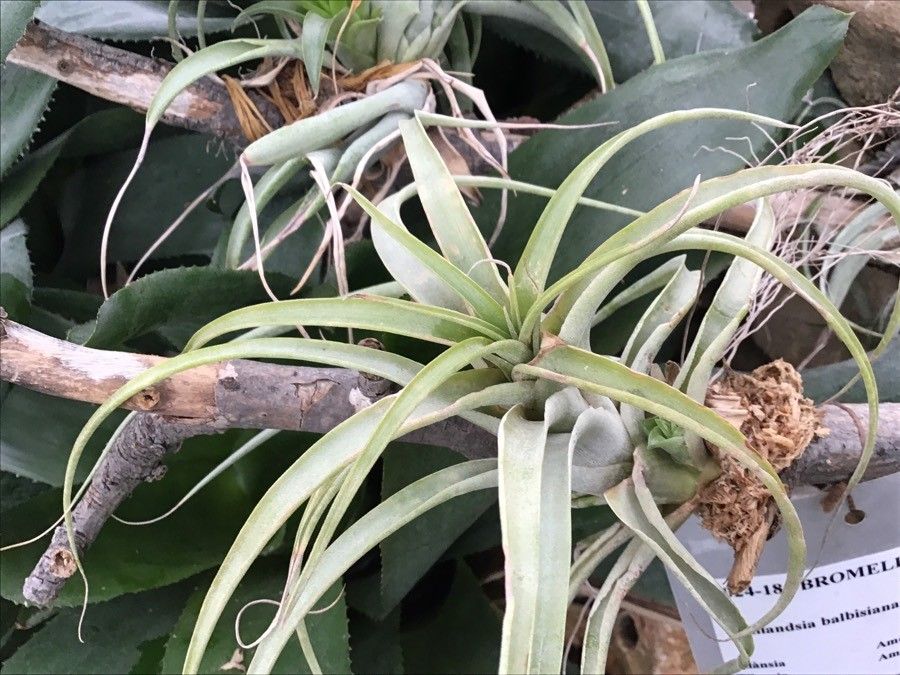
From One to Many: Easily Propagating Your Tillandsia Balbisiana
The Tillandsia balbisiana, also known as the “Sky Plant” or “Air Plant,” captivates with its unique beauty and adaptability. But what if you could share this wonder with others, or simply expand your own collection? Thankfully, propagating your Tillandsia balbisiana is easier than you might think!
This air plant is a master of reproduction, relying mainly on offsetting to create new plants. Offsets, also called “pups,” emerge from the base of the mother plant and are essentially miniature clones. These pups develop their own root system and eventually become independent plants.
Here’s a step-by-step guide to successfully propagate your Tillandsia balbisiana:
1. Patience is Key: First, be patient. Offsets take time to grow, so don’t rush the process. Your Tillandsia balbisiana will generally begin producing pups after it has reached maturity, which can take several years.
2. Spotting the Signs: Keep an eye out for small, bulbous growths at the base of your plant. These are the young pups, and they will gradually increase in size.
3. Time for Separation: Once the offsets have developed at least a third of the size of the mother plant, they are ready to be separated. Gently twist or cut the offset from the mother plant, ensuring the pup has its own root system. A sharp, clean knife or pair of scissors can help with the separation process.
4. Establishing the New Plant: For the newly separated pup, the best approach is to let it dry for a few days. This allows the cut surface to heal and minimizes the risk of rot. Once the wound has dried, you can mount the pup using a variety of materials like wire, fishing line, glue, or even simply placing it on a piece of decorative bark.
5. Creating the Perfect Environment: The newly separated pup needs a similar environment to the mother plant – bright, indirect light and good air circulation. Mist it regularly with water and provide a light feeding using diluted fertilizer (specifically formulated for Tillandsias).
6. Time for Growth: With proper care, your new Tillandsia pups will begin to grow on their own, eventually becoming beautiful, independent plants.
Beyond Offsets: A Glimpse into Other Propagation Techniques
While offsetting is the most common method for Tillandsia balbisiana, there are other techniques, though they are less commonly used:
- Seed Propagation: This method requires patience and specific growing conditions. Seeds need a sterile, well-ventilated environment to germinate. The process is often challenging for home growers.
- Division: Some Tillandsia species can be propagated by dividing the mother plant into multiple sections, each with its own root system. However, this method is not recommended for Tillandsia balbisiana, as it can damage the plant.
Tips for Success:
- Protect your plants from extreme temperatures: Tillandsia balbisiana prefers moderate temperatures, ideally between 60°F and 80°F (15°C and 27°C).
- Ensure good air circulation: Stagnant air can lead to rot and fungal diseases.
- Monitor humidity levels: This air plant thrives in a humid environment, so regular misting is essential.
Enjoy the Rewards:
Propagating your Tillandsia balbisiana is a rewarding experience. You get to witness the miracle of new life emerging and enjoy the satisfaction of expanding your collection or sharing the beauty of these unique plants. With patience and a bit of TLC, you can witness the magic of propagation firsthand and create a flourishing ecosystem of these fascinating air plants.