
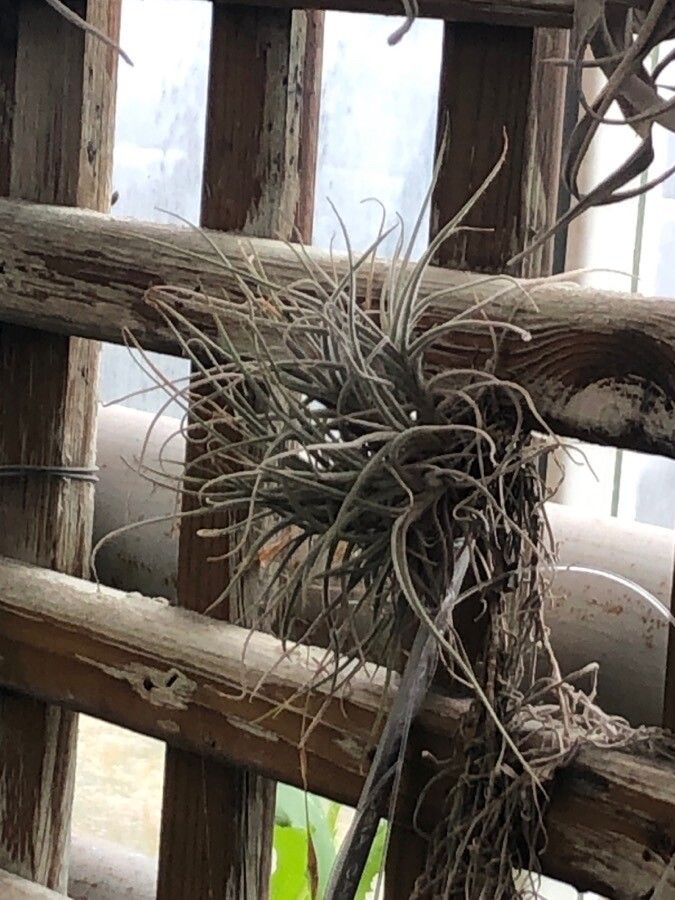
Propagating the Sky-Blue Delight: A Guide to Tillandsia caerulea
Introduction:
Tillandsia caerulea, also known as the Sky-Blue Airplant, is a captivating member of the Bromeliad family, renowned for its stunning sky-blue flowers and delicate, silvery-grey foliage. Its popularity among airplant enthusiasts stems from its relatively compact size, beautiful blooms, and the challenge it presents to cultivation. While not notoriously difficult, propagating Tillandsia caerulea requires patience and attention to detail. Its unique propagation challenges contribute to the rewarding experience of establishing new plants from existing ones.
Seed Germination:
Currently, there are no known reliable methods for seed germination propagation of Tillandsia caerulea. While the plant does produce seeds, germination rates are exceptionally low, and seedling survival is extremely challenging due to their minute size and specific environmental needs. Further research into specialized germination techniques might yield success in the future, but for the time being, this method is not practically viable for home propagation.
Cuttings:
Tillandsia caerulea cannot be propagated from leaf or stem cuttings. Unlike some other bromeliads, this species doesn’t readily produce offshoots or regenerate from cut plant parts. Attempts at cutting propagation will likely result in the death of the cutting.
Division:
Division is the most practical and successful method for propagating Tillandsia caerulea. This involves separating “pups,” or offsets, that develop at the base of the mother plant.
- Challenges: Successfully propagating through division requires patience as pups may take considerable time to develop sufficient root systems. Improper separation can damage both the mother plant and the pup, leading to failure.
- Practical Tips: Wait until the pups are approximately one-third to one-half the size of the mother plant, possessing several visible leaves and small root systems. Gently separate the pups using a sharp, sterilized knife, ensuring each pup has its own root base. Allow the cut surfaces to callus over for a few days before planting. Plant the pups in a well-draining substrate suitable for air plants, such as sphagnum moss or a mixture of bark chips and perlite. Provide adequate light and humidity.
- Rewards: Division offers a relatively high success rate, resulting in genetically identical offspring. It is a straightforward method suitable for home enthusiasts aiming for a limited expansion of their collection.
Tissue Culture:
Tissue culture offers the potential for large-scale propagation of Tillandsia caerulea.
- Challenges: Tissue culture requires a specialized laboratory setting, sterile conditions, and a significant understanding of plant tissue culture techniques. Specialized media and growth regulators are needed, and the process is time-consuming and requires technical expertise.
- Practical Tips: This method is generally best left to commercial nurseries or research facilities equipped with the necessary resources.
- Rewards: Tissue culture allows for the rapid and mass propagation of genetically identical plants, opening the door to large-scale cultivation and distribution, preserving rarer varieties.
Conclusion:
Propagating Tillandsia caerulea presents specific challenges, primarily due to its limited propagation methods. While seed germination and cuttings are not viable options, division offers a relatively successful approach for home gardeners. Tissue culture, although potentially providing mass propagation, remains a technically demanding method. Despite these challenges, the satisfaction derived from successfully propagating this stunning airplant—watching a tiny pup grow into a thriving plant with its characteristic sky-blue blooms—is immense. The unique beauty of Tillandsia caerulea and the slightly higher difficulty associated with its propagation combine to imbue the experience with a significant sense of accomplishment for the dedicated cultivator. Don’t be discouraged by the setbacks – patience, careful observation, and a focus on providing optimal conditions will greatly increase your chances of success.