
Unlocking the Secrets of Air Plant Multiplication: Propagating Tillandsia catimbauensis
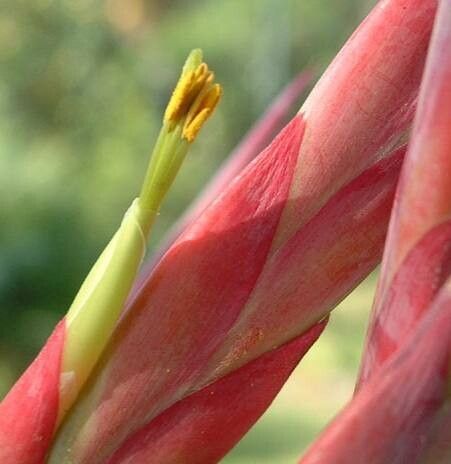
Tillandsia catimbauensis, with its silvery foliage and vibrant pink blooms, offers a captivating glimpse into the world of air plants. These fascinating plants, known for their ability to thrive without soil, add a touch of the exotic to any home. But did you know that propagating them is an adventure in itself? Let’s delve into the captivating world of Tillandsia catimbauensis propagation and uncover the secrets to multiplying your collection.
Understanding the Basics
Unlike traditional plants that rely on soil, Tillandsia catimbauensis, like other air plants, absorbs moisture and nutrients through specialized scales on their leaves called trichomes. This unique adaptation allows them to flourish in various environments, perched on driftwood, nestled in decorative holders, or even suspended in mid-air.
Propagation Methods: From One to Many
While you can grow Tillandsia catimbauensis from seed, it’s a time-consuming process best left to experienced growers. The most common and rewarding method for home propagation is through pups.
Propagating from Pups: A Step-by-Step Guide
Identifying Pups: After flowering, Tillandsia catimbauensis produces offsets, affectionately called pups, at its base. These miniature replicas of the parent plant are your ticket to propagation. Wait until the pups are about a third to half the size of the parent plant before separating them. This ensures they’ve developed sufficient root systems for independent growth.
Gentle Separation: Using clean, sharp shears or your fingers, carefully detach the pup from the mother plant. Try to make a clean break as close as possible to the parent plant.
Potting Your Pups: Unlike traditional plants, you won’t need soil. Instead, provide your Tillandsia catimbauensis pups with a well-ventilated environment. This can be achieved by placing them in a shallow dish with good air circulation or securing them to driftwood, cork bark, or decorative mounts using plant-safe glue or soft twine.
Watering and Light: Mist your newly potted pups 2-3 times a week, ensuring they receive bright, indirect light. Avoid direct sunlight, as it can scorch their delicate leaves.
- Patience is Key: Over the next few months, provide consistent care, and you’ll witness your Tillandsia catimbauensis pups flourish into independent plants.
Troubleshooting Tips
Rotting Pups: Overwatering is a common pitfall. Ensure your pups dry completely between waterings and have adequate ventilation.
Slow Growth: Insufficient light can hinder growth. Move your plants to a brighter location, but avoid harsh direct sunlight.
- Shriveling Leaves: This could indicate dehydration. Increase misting frequency or consider soaking your plants in a bowl of water for 20-30 minutes once a week.
Propagating your Tillandsia catimbauensis is a rewarding experience that allows you to expand your collection and witness the fascinating lifecycle of these unique plants firsthand. With a little patience and care, you’ll soon have a flourishing family of air plants gracing your home.